Rural Household Worries and Coping During COVID-19 Lockdown
Apr 2023
Project Background
Bangladesh's nationwide COVID-19 lockdown triggered widespread rural job/income losses, hitting informal/precarious workers hardest and exacerbating food insecurity for millions of poor households—aligning with global estimates of sharp working hour/income declines.
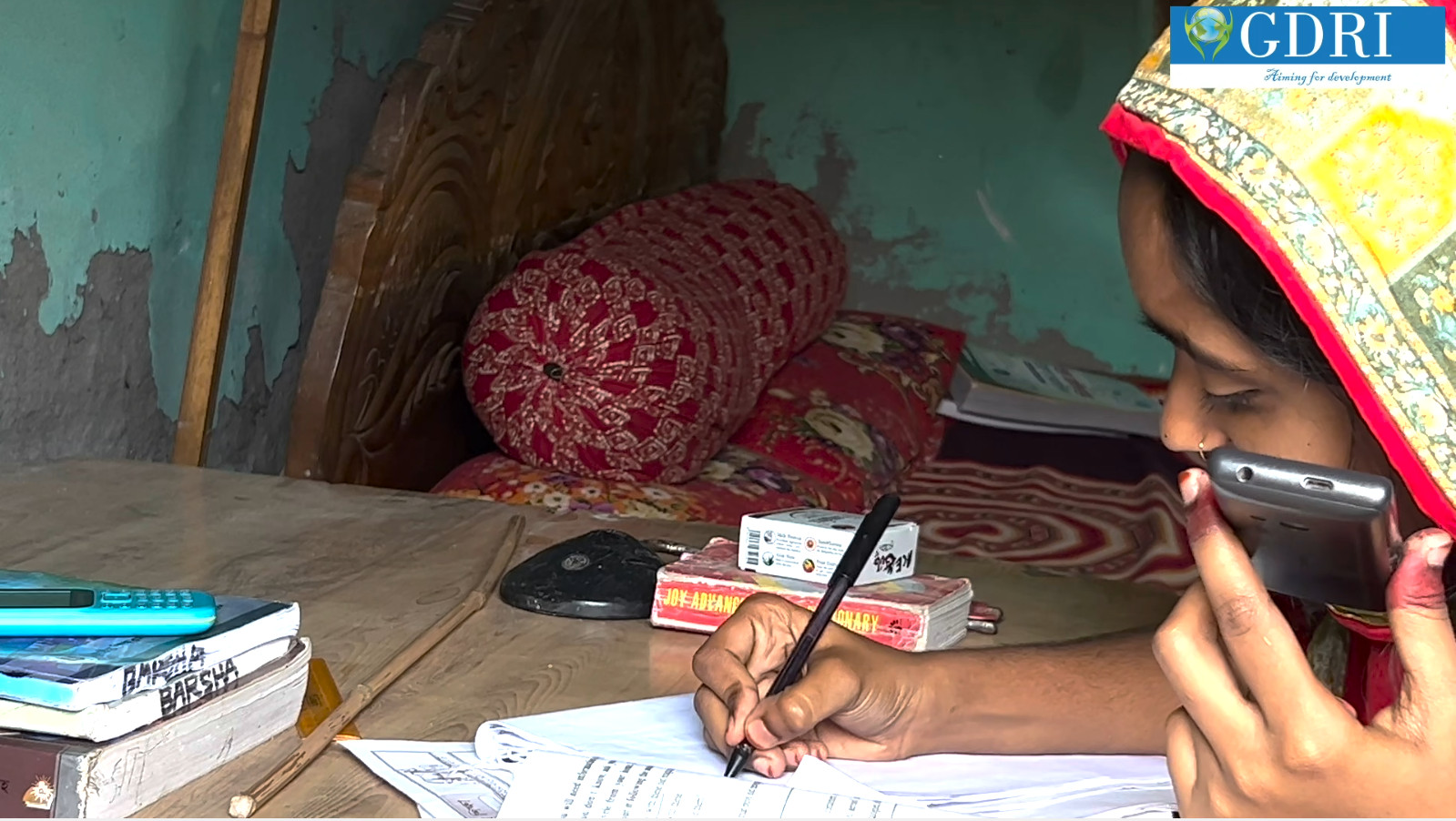
Two-wave phone surveys in Khulna/Satkhira (from 423 villages, building on 2019 data) detail initial lockdown income shocks, their effects on food/finance/health worries, coping strategies (e.g., reduced spending/borrowing), and how food insecurity intertwined with responses—showing economic stress often overrode health precautions.
Project Scope & Reach
Five upazilas (Dumuria, Paikgacha, Tala, Assasuni, Koyra) in Khulna/Satkhira; 423 villages Wave 1, sub-sample Wave 2.
Key research partners
Monash University (CDES/Economics, Lead); J-PAL; Global Development Research Initiative (GDRI, local).
Funding & Support
Collaborating institutions (Monash, IIT Kanpur, Khulna Univ, Univ of Newcastle).
Roles of GDRI
Capacity Development and Intervention Design: Converted in-person surveys to short phone questionnaires (income/worries/coping/food security); provided pre-COVID 2019 data from same areas for sampling/merging/analysis.
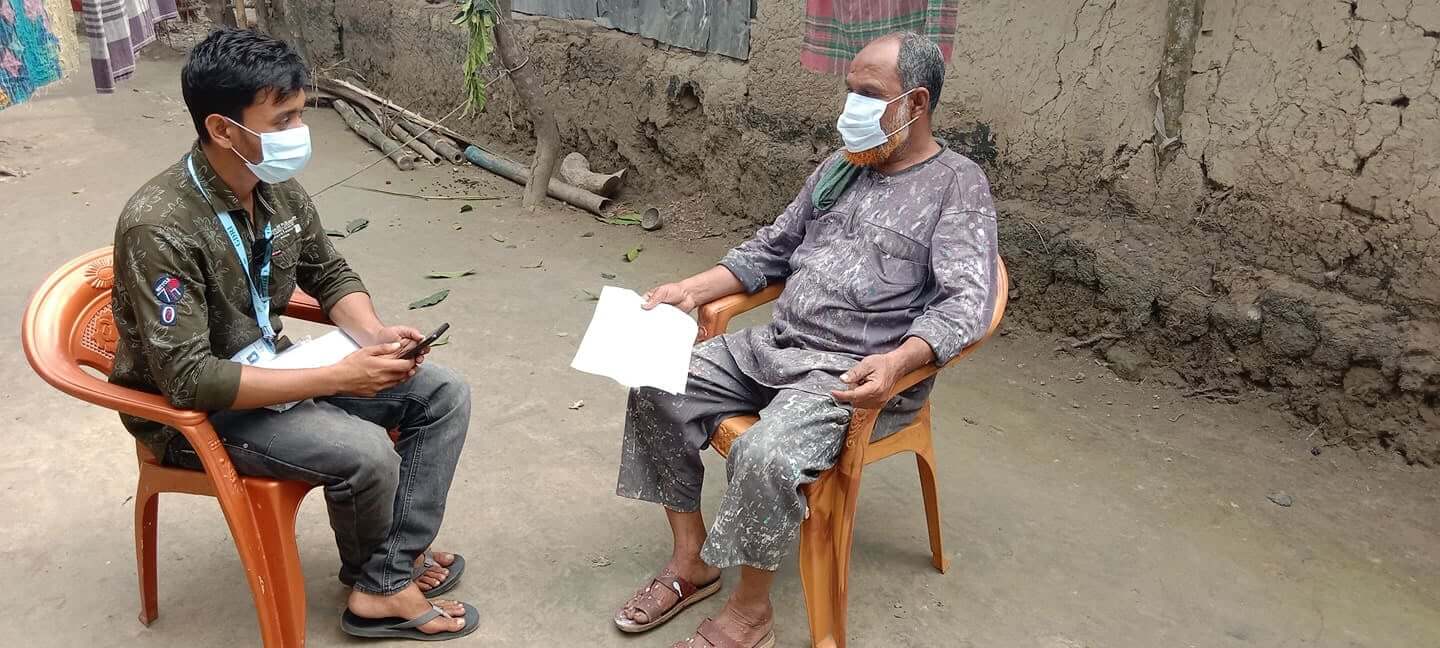
Field Implementation and Community Engagement: Implemented 2 phone survey waves (423 villages); mobilized familiar enumerators for 15-20 min calls (lockdown-safe); coordinated scheduling/follow-ups for high response.
Data Management, Cleaning, and Analysis: Managed phone data quality/entry; cleaned/merged with 2019 baselines; supported analysis of shocks/worries/coping/food links.
Project Details
-
Project Type
Completed Projects
-
Start
Apr 2023
-
Focus Themes
Health Education