
Loading...
Loading...
Jan 2023 — Feb 2024
Project Background:
Despite impressive gains in school enrolment and completion across South Asia, a very high share of children remain in “learning poverty,” with around half unable to read or understand a simple text by age ten. In Bangladesh, the situation was sharply worsened by COVID‑19, when one of the world’s longest school closures disrupted learning for roughly 37 million children. Many pupils returned to school far below grade level, and traditional in‑school approaches have struggled to help them catch up, especially in rural and disadvantaged areas where access to effective remote learning was limited.
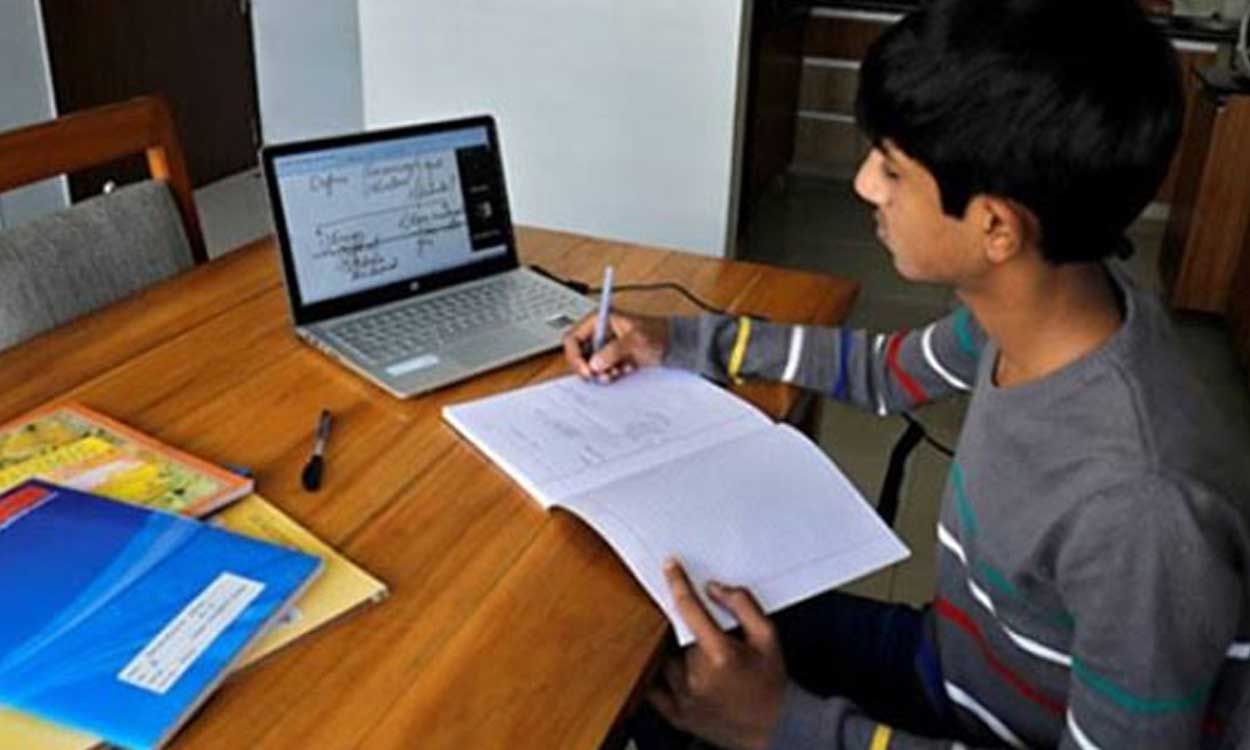
Most policies and programs have focused on what happens in school, while the critical role of out‑of‑school study and learning support has been largely neglected. Yet, out‑of‑school learning is essential for review, practice, and consolidation of classroom concepts. This project, implemented in partnership with 10 Minute School (10MS), evaluates two low‑cost, low‑tech out‑of‑school learning models designed to build foundational literacy and numeracy (FLN) skills for children in Grades 2–4. By combining tailored digital content, interactive tasks, and behaviourally informed caregiver nudges, the study aims to identify scalable ways to accelerate learning recovery in low‑income settings.
Project areas
Implementation in three disaster-prone districts of Khulna Division: Khulna, Satkhira, and Jessore.
120 villages, each with one government primary school, selected from a frame of around 800 schools previously mapped by GDRI.
Focus on Grades 2–4, where students are old enough to engage with short, structured content but not yet constrained by high‑stakes Grade 5 examinations.
Targeted to children in these grades who have access to a smartphone at home, and their primary caregivers, embedded within the broader school and village environment.
Project Authority:
Lead academic team: Researchers in education economics and impact evaluation from international universities, with experience in large-scale RCTs and technology-based learning interventions.
Key research partners:
Global Development Research Institute (GDRI), Bangladesh – local research partner responsible for field operations and community engagement.
10 Minute School (10MS) – major national EdTech provider responsible for content, app development, and learning support infrastructure.
Donors:
The study is funded through competitive international research grants aimed at improving foundational learning in low- and middle-income countries through rigorous evidence. Funding supports the adaptation and deployment of 10MS content for FLN, the development of a dedicated app version, extensive baseline and endline data collection, and the implementation of a large clustered RCT in 120 villages.
Roles of GDRI:
Capacity Development and Intervention Design:
Advises on adapting the TaRL-inspired, FLN‑focused video curriculum and interactive tasks to local languages, norms, and constraints.
Works with 10MS and the research team to ensure that content, messaging, and delivery channels are appropriate for rural and disaster-prone communities.
Field Implementation and Community Engagement:
Prepares and maintains the sampling frame of approximately 800 government primary schools in the three target districts.
Leads coordination with district education offices, school heads, local government representatives, and community leaders for school access, testing, sampling, and informed consent.
Recruits, trains, and supervise field teams for baseline and endline data collection, as well as ongoing monitoring of intervention implementation.
Data Management, Cleaning, and Analysis:
Oversees data quality assurance, secure storage, and anonymization for student, caregiver, school, and village datasets.
Collaborates with the academic team on statistical analysis of learning outcomes, caregiver behaviours, heterogeneity, and cost effectiveness.
Contributes to drafting technical reports, policy briefs, and dissemination materials and participates in presentations to government, NGOs, and donor audiences.
Project Type
Ongoing Projects
Duration
Jan 2023 — Feb 2024
Focus Themes
Addressing Learning Loss Using Low Tech Remote Learning among Underprivileged High School Students: The Bangladesh Case
Ongoing Projects
Mar 2023
Income Loss and Wellbeing during COVID-19 Lockdown in Rural Bangladesh: Evidence from Large Household Surveys
Completed Projects
Apr 2023
Telementoring and Homeschooling during school closures: A randomized Experiment in Rural Bangladesh
Completed Projects
Mar 2021