
Loading...
Loading...
Mar 2021 — Mar 2025
Project Background:
School closures due to COVID‑19 created one of the largest education crises in history, affecting 1.5 billion students worldwide and severely disrupting learning in low‑ and middle‑income countries. In Bangladesh, prolonged closures compounded existing disruptions from disasters and political unrest and hit hardest the children from low‑income, first‑generation learner households with limited ICT access and little capacity for parental support at home.
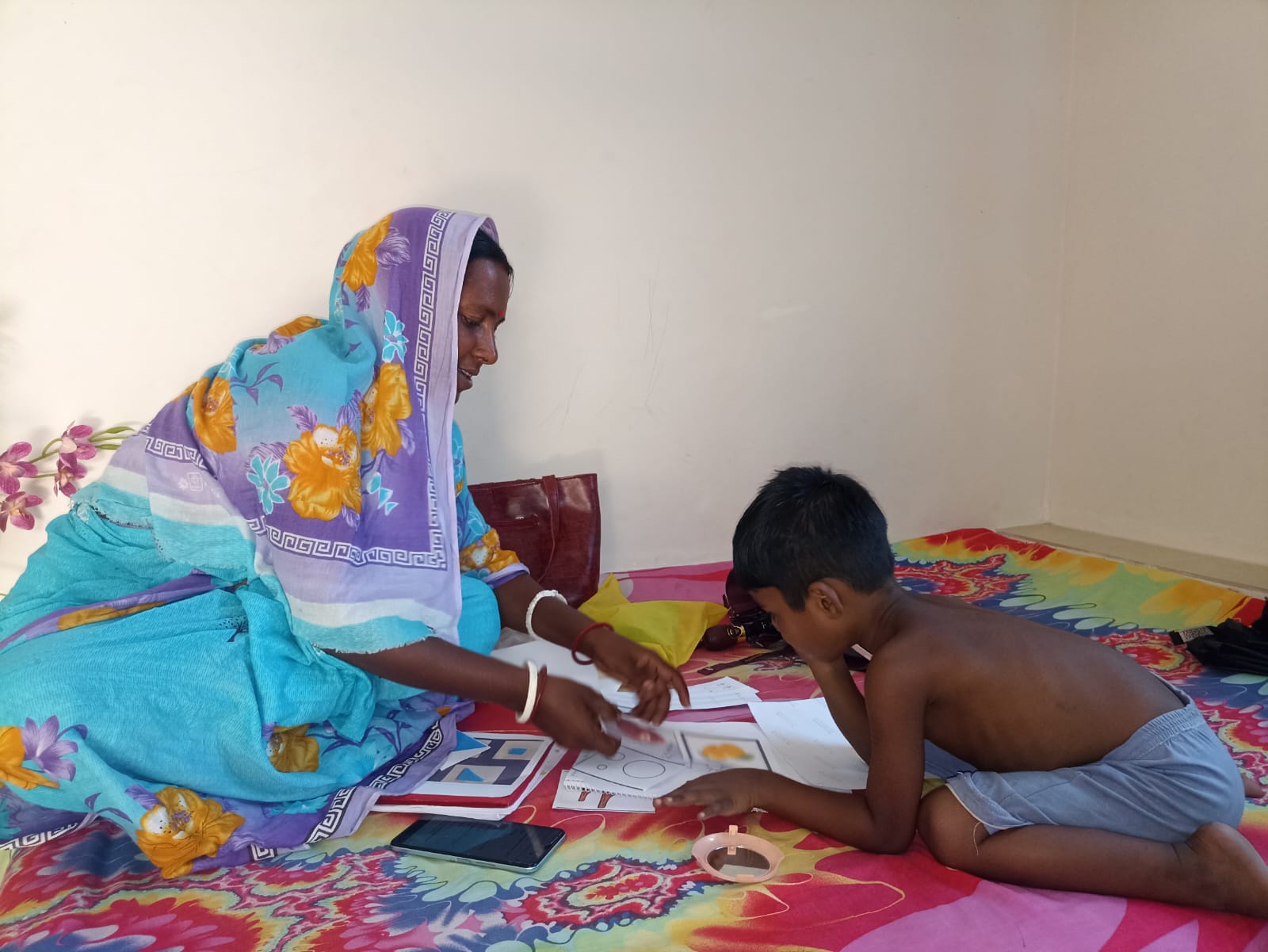
To address this, the project tested a low‑cost “telementoring” intervention that uses basic feature phones and university student volunteers to provide remote academic support to primary school children and structured homeschooling guidance to their mothers during school closures. The study evaluates whether such phone‑based mentoring can protect and improve learning outcomes and parental engagement in a low‑resource rural setting.
Project areas
Rural villages in Khulna and Satkhira districts, southwestern Bangladesh.
200 villages included in the randomized controlled trial.
Sampling frame based on 6,503 households across 223 villages from GDRI’s early childhood development survey (2019).
Project Authority:
Researchers: Hashibul Hassan, Asad Islam, Abu Siddique, Liang Choon Wang.
Lead Academic Institution: Monash University (CDES and Department of Economics); J‑PAL affiliation for Asad Islam.
Local Research Partner: Global Development Research Initiative (GDRI), research‑focused NGO in southwestern Bangladesh.
Donors:
· Centre for Development Economics and Sustainability (CDES), Monash University, Australia.
Roles of GDRI:
Capacity Development and Intervention Design:
Partnered with the research team to adapt telementoring guidelines (drawing on Government Teachers’ Training College materials) to the rural Bangladeshi primary curriculum in mathematics and English.
Helped design weekly academic plans, mentoring protocols, and the structure of 10 thematic sessions with aligned SMS content for mothers.
Advised on practical procedures for remote delivery (call timing, call length, communication norms) suited to low‑resource households with basic phones.
Field Implementation and Community Engagement:
· Used its existing directory and survey data to identify eligible households (with at least one child aged 7–9 in grades 1–3) and recruit 838 mother–child pairs into the study.
· Supported random assignment of households within 200 villages into treatment (telementoring) and control groups, ensuring balance using pre‑existing data.
· Mobilised local field staff from the same subdistricts to deliver weekly academic plans to mothers in treated households at the start of the intervention, following strict health guidelines.
· Maintained communication with communities to sustain participation during the 13‑week intervention, troubleshooting issues such as phone access and scheduling.
Data Management, Cleaning, and Analysis:
Supported baseline rapid surveys, and one month post intervention standardised learning assessments in English, maths, Bangla, and general knowledge.
Assisted with parental surveys capturing homeschooling time, leisure interaction, parenting practices, aspirations, and mental well being.
Helped monitor session delivery (frequency, duration, content coverage) and SMS dispatch, ensuring fidelity to the intervention design
Project Type
Completed Projects
Duration
Mar 2021 — Mar 2025
Focus Themes
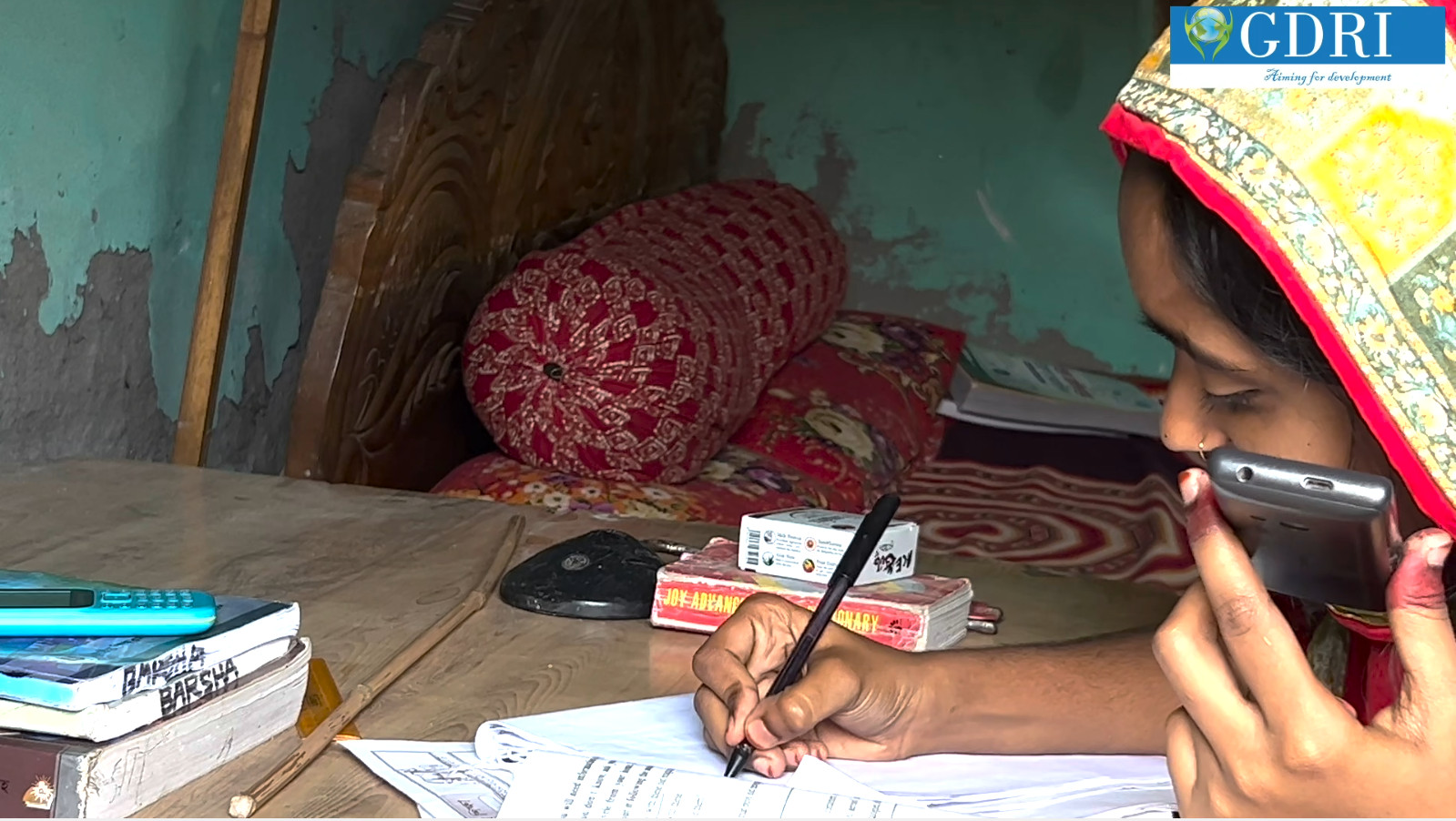
Addressing Learning Loss Using Low Tech Remote Learning among Underprivileged High School Students: The Bangladesh Case
Ongoing Projects
Mar 2023
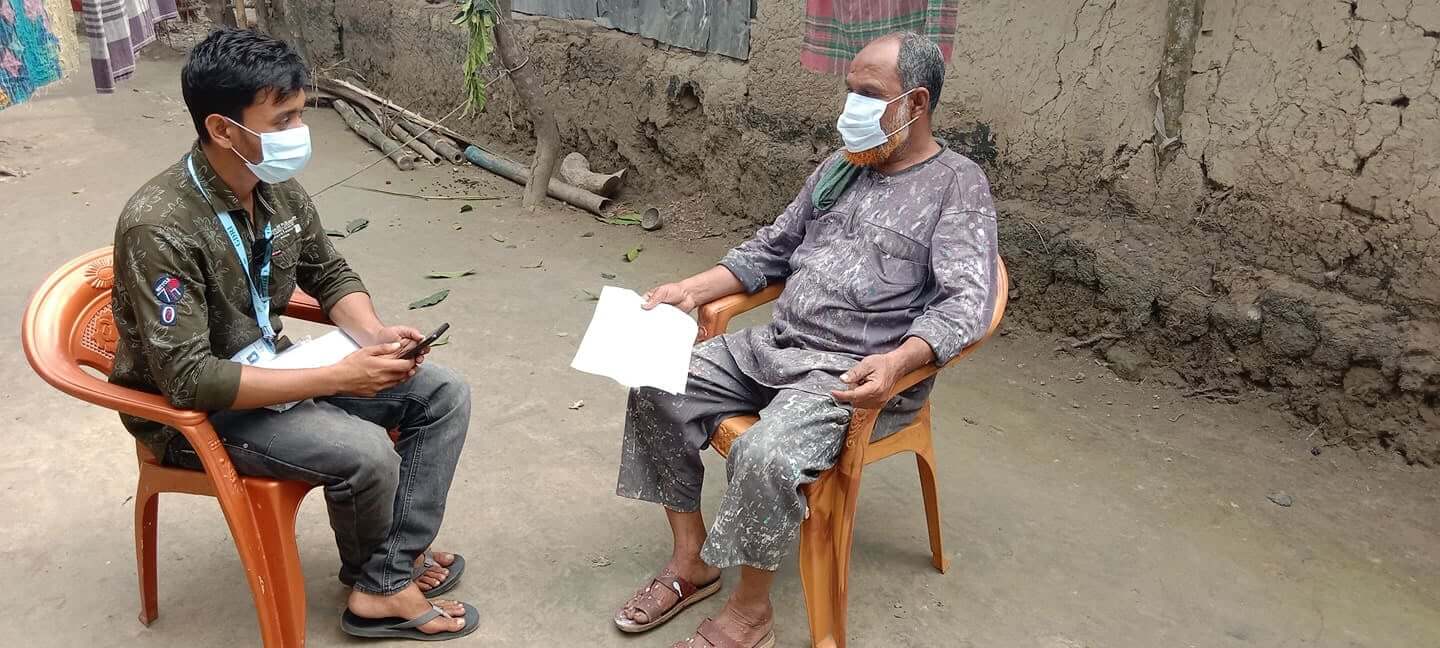
Income Loss and Wellbeing during COVID-19 Lockdown in Rural Bangladesh: Evidence from Large Household Surveys
Completed Projects
Apr 2023

Myopic Loss Aversion and Investment Decisions: From the Laboratory to the Field
Completed Projects
Feb 2014