
Loading...
Loading...
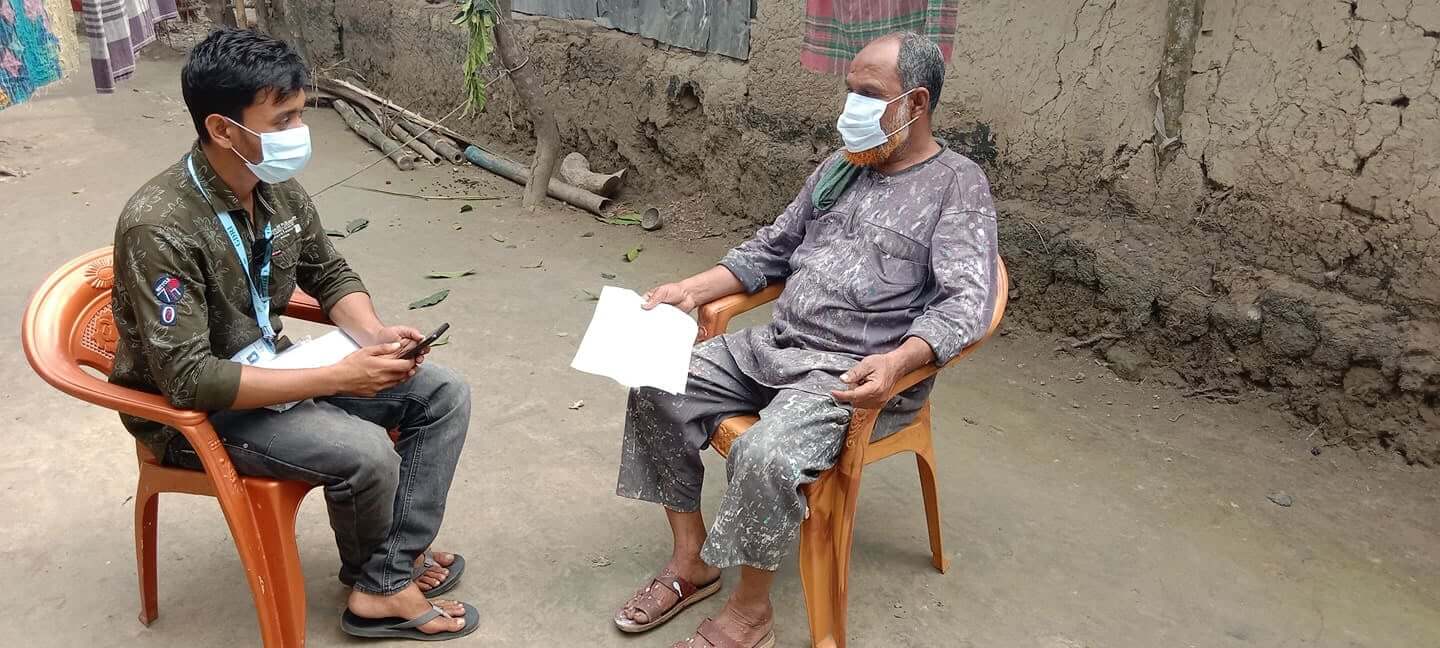
Apr 2023 — Feb 2024
Project Background:
The COVID‑19 pandemic and nationwide lockdown in Bangladesh led to widespread job and income losses, particularly among rural households reliant on informal and precarious work. Global estimates suggested large reductions in working hours and incomes, and early evidence from Bangladesh indicated that millions of workers, especially the poor, faced severe livelihood shocks and rising food insecurity.
This study documents how rural households in southwestern Bangladesh experienced income shocks during the initial lockdown, how these shocks shaped their main worries about food, finances, and health, and what coping strategies they used. It also examines how food insecurity relates to households’ concerns and responses, highlighting the risk that economic stress can crowd out attention to health precautions.
Project areas
Rural areas in five upazilas: Dumuria, Paikgacha, Tala, Assasuni, and Koyra.
Two districts: Khulna and Satkhira, southwestern Bangladesh.
423 villages covered in the first survey wave; sub‑sampled villages in the second wave.
Project Authority:
Researchers: Hashibul Hassan, Asad Islam, Abu Siddique, Liang Choon Wang.
Lead Academic Institution: Monash University (CDES and Department of Economics); J‑PAL affiliation for Asad Islam.
Local Research Partner: Global Development Research Initiative (GDRI), research‑focused NGO in southwestern Bangladesh.
Donors:
· Not explicitly stated in the paper; analysis supported by collaborating academic institutions (Monash University, IIT Kanpur, Khulna University, University of Newcastle).
Roles of GDRI:
Capacity Development and Intervention Design:
Collaborated with the research team to convert existing in‑person survey instruments into short, structured telephone questionnaires focusing on income, worries, coping, and food security.
Provided access to detailed pre‑COVID socio‑economic and demographic data from three prior 2019 surveys in the same areas, enabling sampling and later merging for richer analysis.
Field Implementation and Community Engagement:
· Implemented two rounds of phone surveys (wave I and wave II) with rural households in 423 villages in collaboration with the authors.
· Mobilised trained enumerators who had previously worked with the same households, leveraging their familiarity and trust to conduct 15–20‑minute calls during lockdown conditions.
· Coordinated call scheduling and follow‑up to maximise response rates while respecting mobility restrictions and safety guidelines.
Data Management, Cleaning, and Analysis:
Implemented two rounds of phone surveys (wave I and wave II) with rural households in 423 villages in collaboration with the authors.
Mobilised trained enumerators who had previously worked with the same households, leveraging their familiarity and trust to conduct 15–20 minute calls during lockdown conditions.
Coordinated call scheduling and follow up to maximise response rates while respecting mobility restrictions and safety guidelines.
Project Type
Completed Projects
Duration
Apr 2023 — Feb 2024
Focus Themes
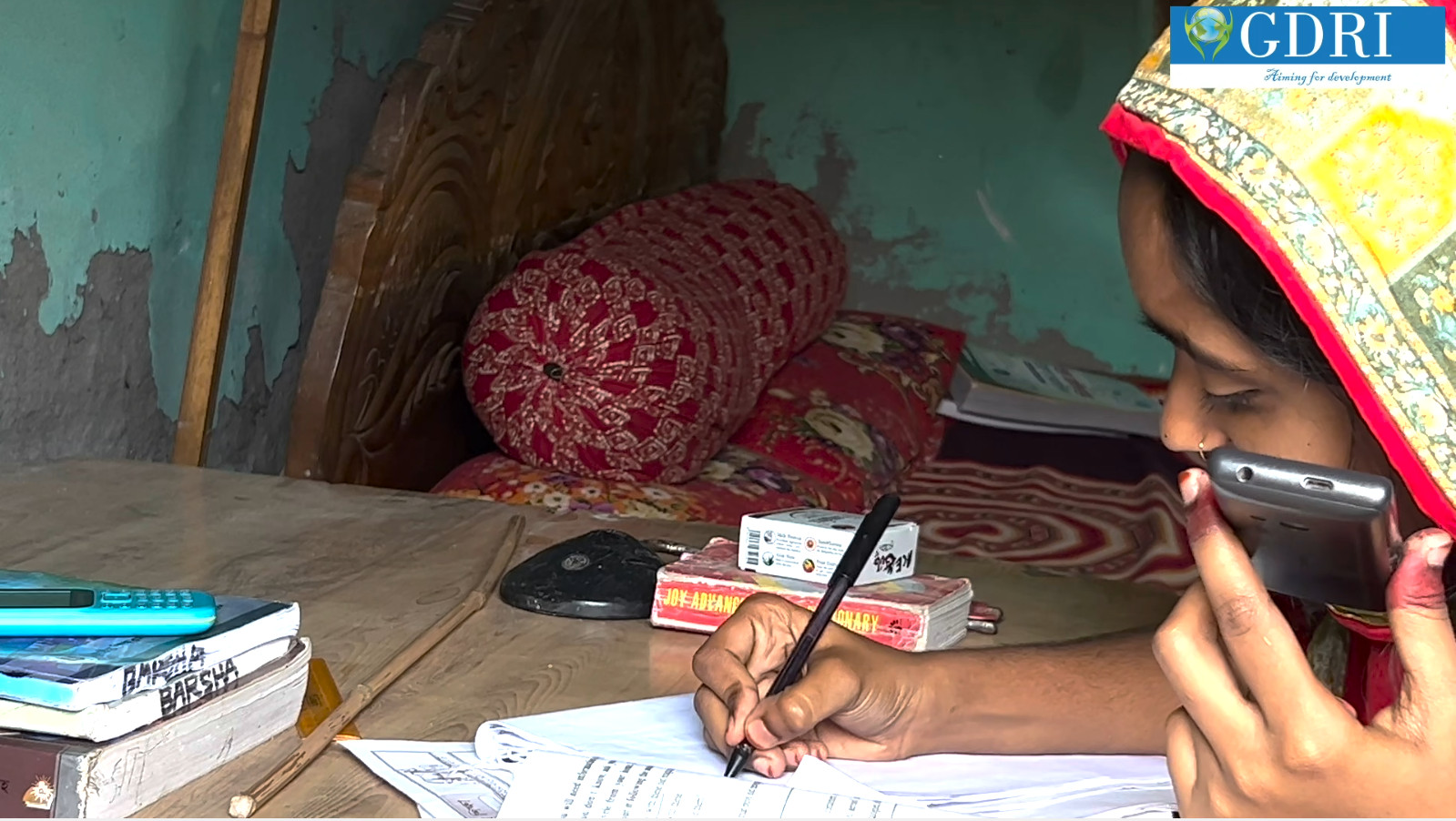
Addressing Learning Loss Using Low Tech Remote Learning among Underprivileged High School Students: The Bangladesh Case
Ongoing Projects
Mar 2023
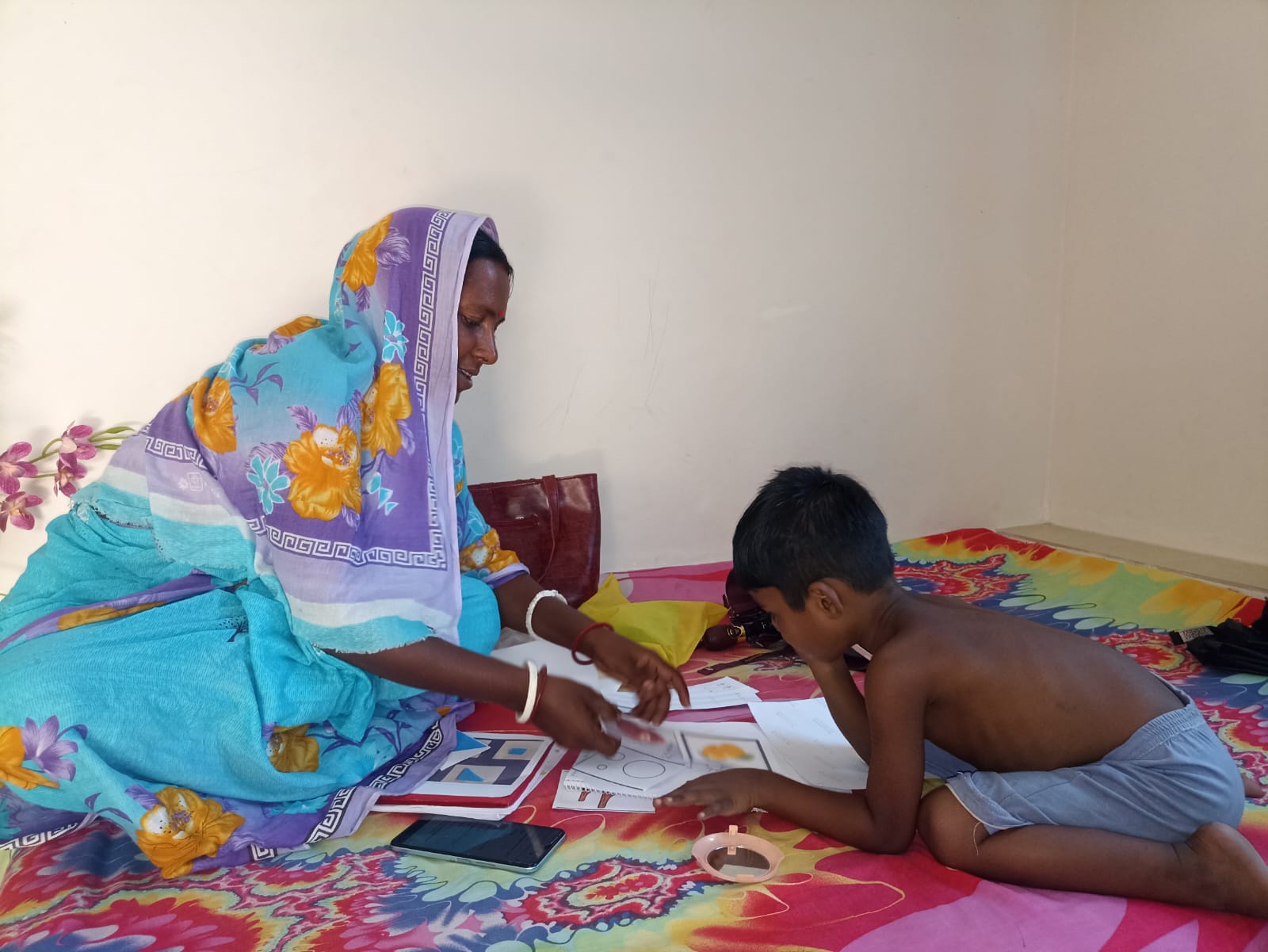
Telementoring and Homeschooling during school closures: A randomized Experiment in Rural Bangladesh
Completed Projects
Mar 2021

Myopic Loss Aversion and Investment Decisions: From the Laboratory to the Field
Completed Projects
Feb 2014