Chess Training to Boost Math and Skills in Rural Bangladesh Schools
Apr 2015
Project Background
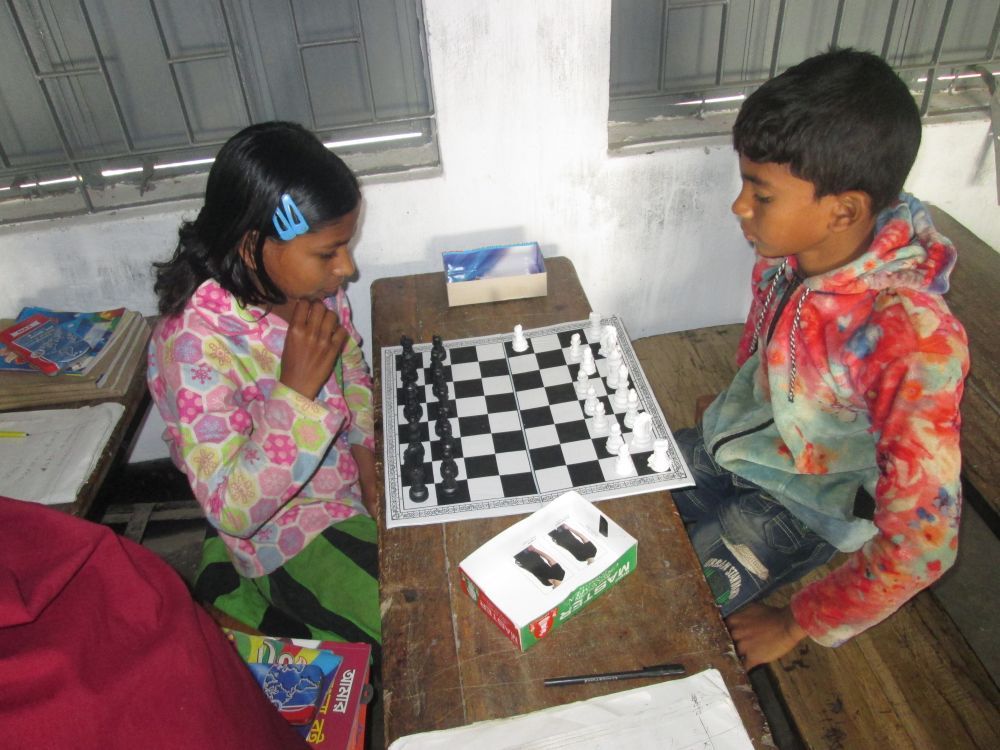
Chess is promoted worldwide for cognitive/math benefits, but rigorous evidence is scarce in developing countries. This clustered RCT tests an intensive 3-week school-based FIDE “Chess in Schools” program (24 hours instruction + 6 hours practice) for rural Grade 5 novices, measuring outcomes post-course and 9-10 months later via PSC exams and experiments on risk/time preferences, creativity/attention.
In 16 Khulna/Satkhira govt schools (8 treatment/8 control), it reduced risk aversion significantly after ~1 year, with suggestive math/time consistency gains but limited other academic/non-cognitive effects.
Project Scope & Reach
16 rural government primary schools (8 treatment, 8 control) in Khulna/Satkhira districts; 569 Grade 5 students (baseline), varying follow-ups due to absenteeism; under-privileged households (low parental education, agriculture/day-labor/small business, minimal chess exposure).
Key research partners
Monash University (Australia); Deakin University (Australia) (Leads); Global Development and Research Initiative (GDRI), Bangladesh; Department of Primary Education (DPE), Government of Bangladesh.
Funding & Support
Research funding from Monash University and Deakin University for intervention delivery, surveys, and analysis.
Roles of GDRI
Capacity Development and Intervention Design: Contextualized FIDE “Chess in Schools” syllabus for rural classrooms; coordinated National Chess Federation/local coaches; advised school selection, randomization, DPE policy/schedule alignment.
Field Implementation and Community Engagement: Secured permissions/engagement with head teachers, education officials, stakeholders; scheduled 12 days lessons/practice (24+6 hours), logistics/space; supported FIDE master/national coach/field staff.
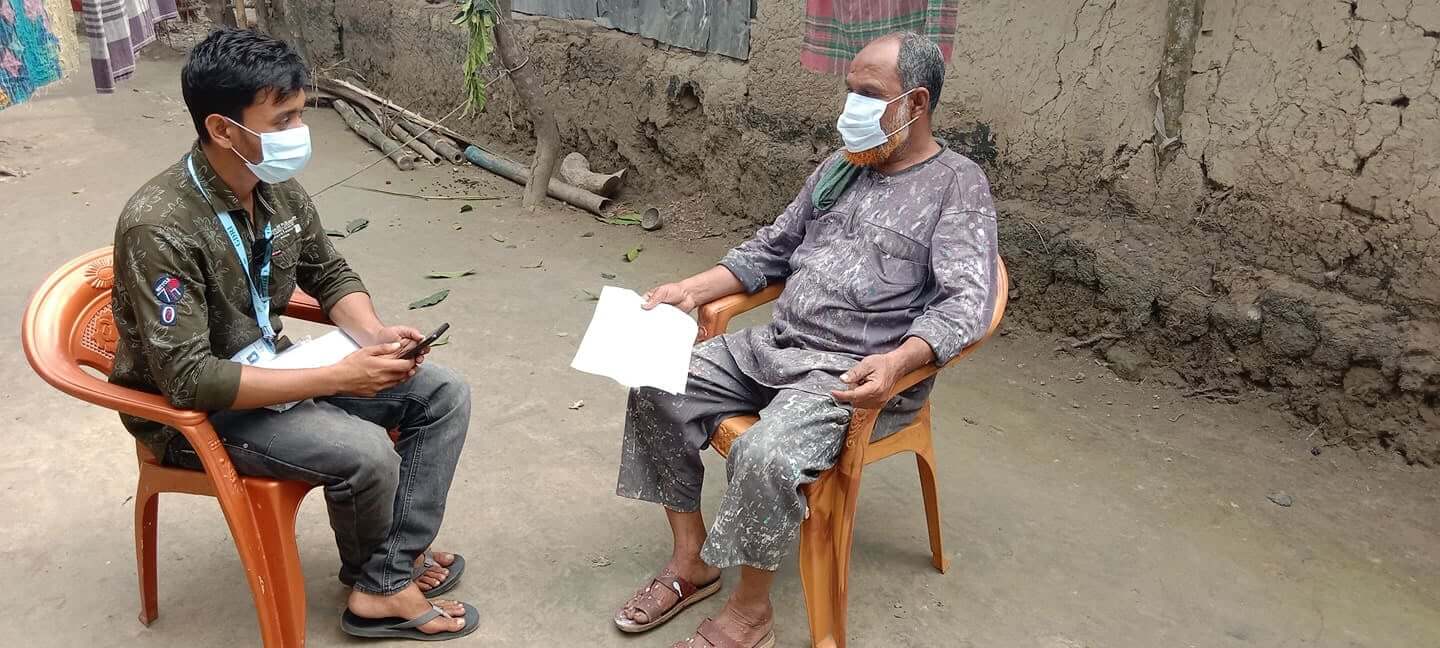
Data Management, Cleaning, and Analysis: Baseline household/student surveys (demographics/education/assets/chess exposure); child assessments (math tests, risk/time tasks, creativity/attention) at endline/follow-up; matched PSC exam records, secure databases; cleaned data/outcome indices/analysis files for Journal of Development Economics publication; disseminated to stakeholders on chess's low-cost risk/math benefits.
Project Details
-
Project Type
Completed Projects
-
Start
Apr 2015
-
Focus Themes
Education