Early Childhood Programs for Rural Kids' School Readiness
Dec 2013
Project Background
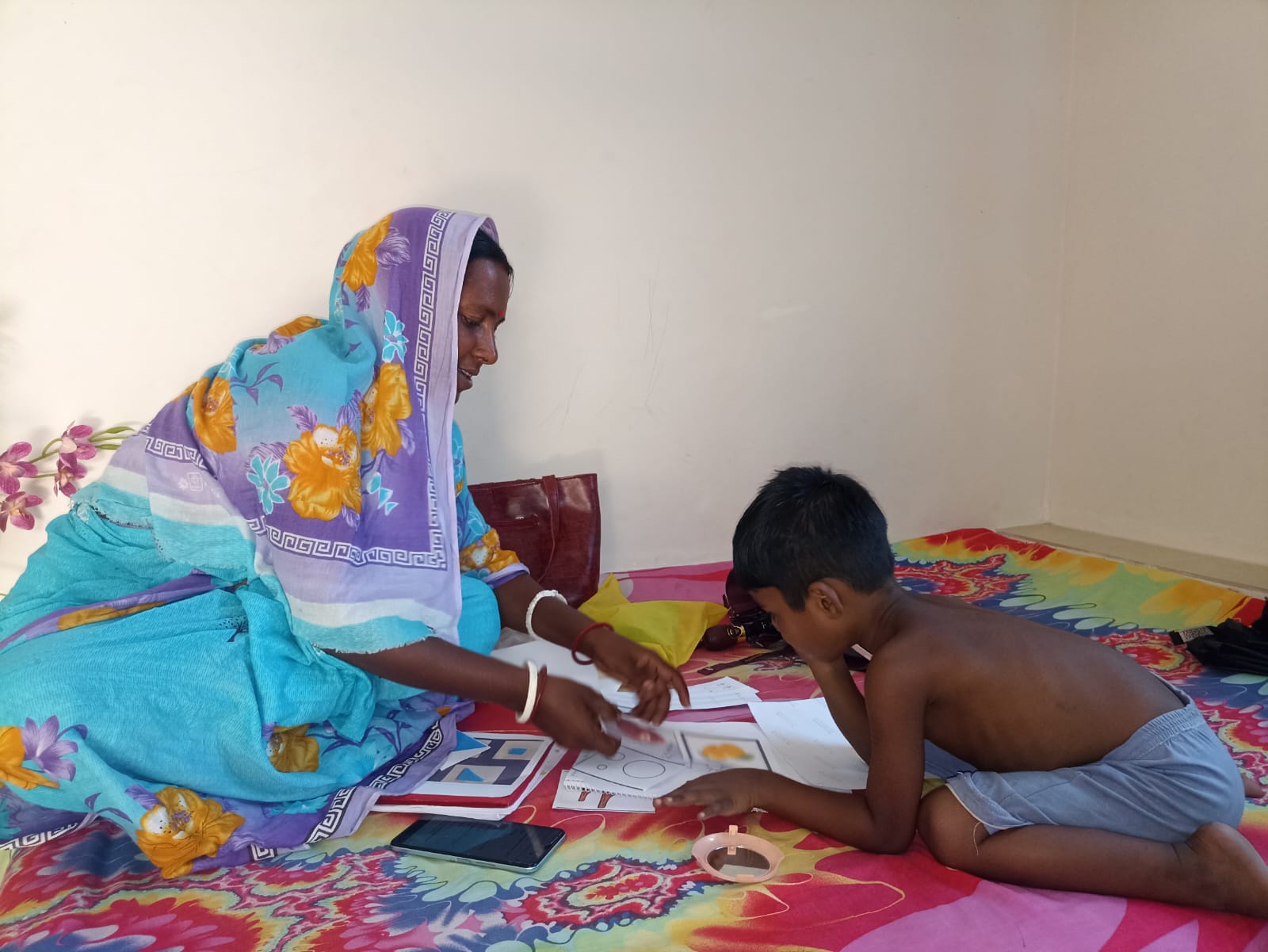
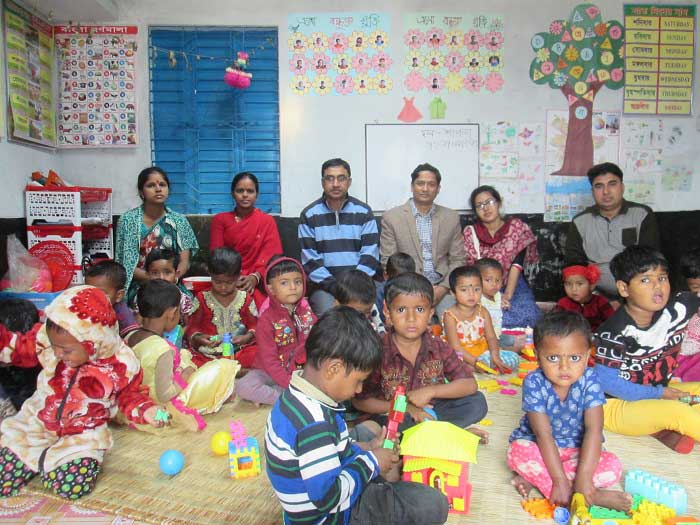
Rural Bangladesh lacks quality pre-primary education for 3-5-year-olds from poor homes. This 2017-2019 clustered RCT (222 Khulna/Satkhira villages, ~7,000 kids aged 36-60 months) tested three models vs control: (i) 5-day/week village preschool; (ii) weekly home-visits (varying saturation); (iii) 3-day preschool + home-visits—adapting Perry/CHECC for literacy/numeracy/executive/socio-emotional skills.
Assessments (baseline/1yr/2yr): Woodcock-Johnson (literacy/numeracy/exec function), ASQ-3, household/parenting surveys. All treatments yielded ~0.5 SD cognitive/non-cognitive gains (largest for weakest/poor kids), spillovers to siblings/peers; home-visits showed 0.2 SD gains for untreated via parental networks (stronger with treated-family ties).
Project Scope & Reach
222 remote rural villages in Khulna/Satkhira (no baseline preschools); ~7,000 children 36-60 months + families/siblings/cousins.
Key research partners
Monash University (Australia); University of Chicago (USA); University of Southampton (UK) (Leads); IZA; CEPR; Global Development Research Initiative (GDRI, local implementation).
Funding & Support
ESRC–DFID/FCDO joint funding (grant ES/N010221/1).
Roles of GDRI
Capacity Development and Intervention Design: Adapted integrated curriculum/home-visiting toolkit with Monash/BIED/IER for rural context; identified villages, secured preschool spaces, ensured safety/child-protection norms.
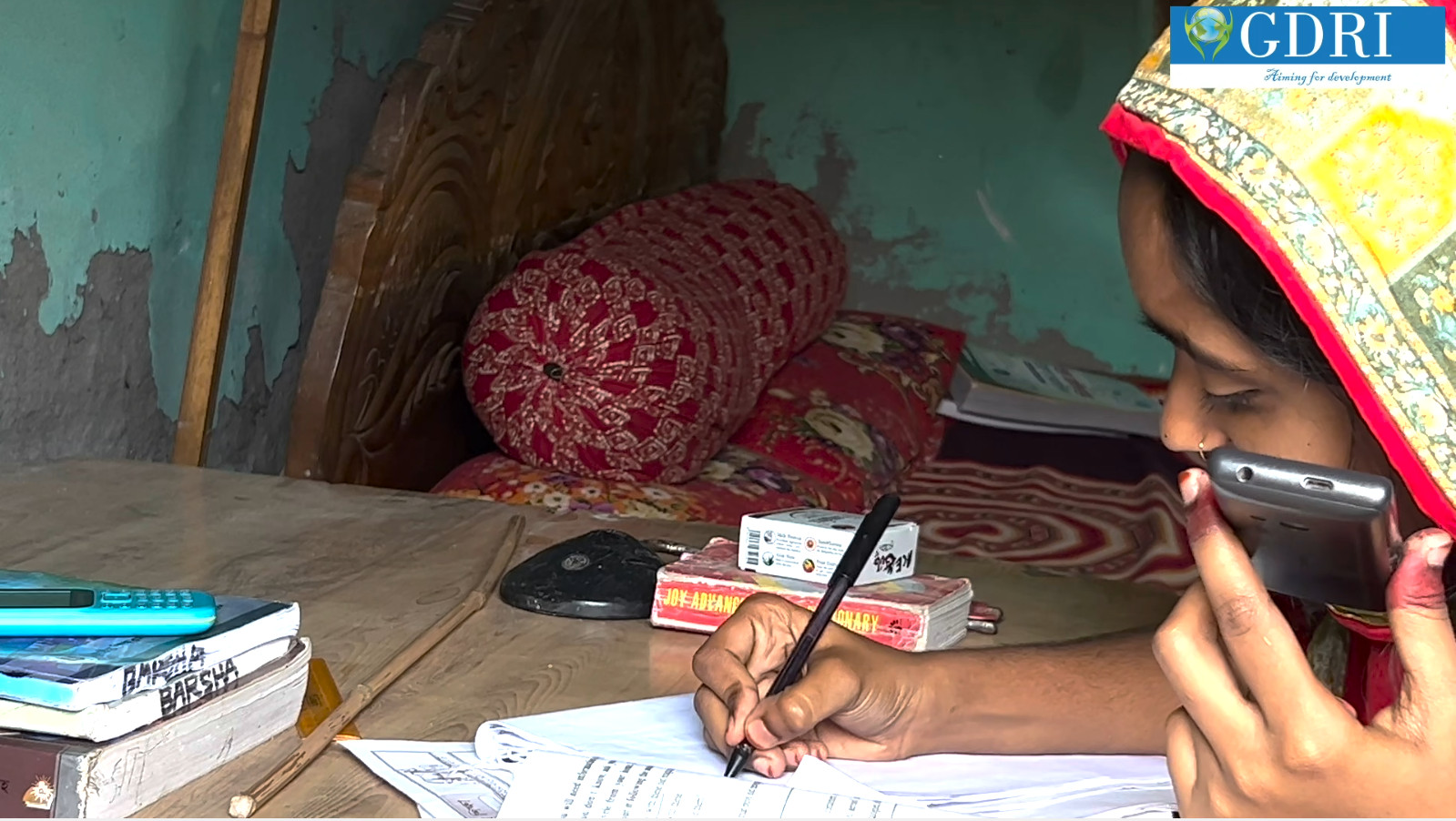
Field Implementation and Community Engagement: Recruited/managed local female teachers (secondary+ experience); 5-day training + monthly refreshers on pedagogy/curriculum/caregiver engagement/assessments; oversaw 5-day preschools/weekly visits/parent groups.
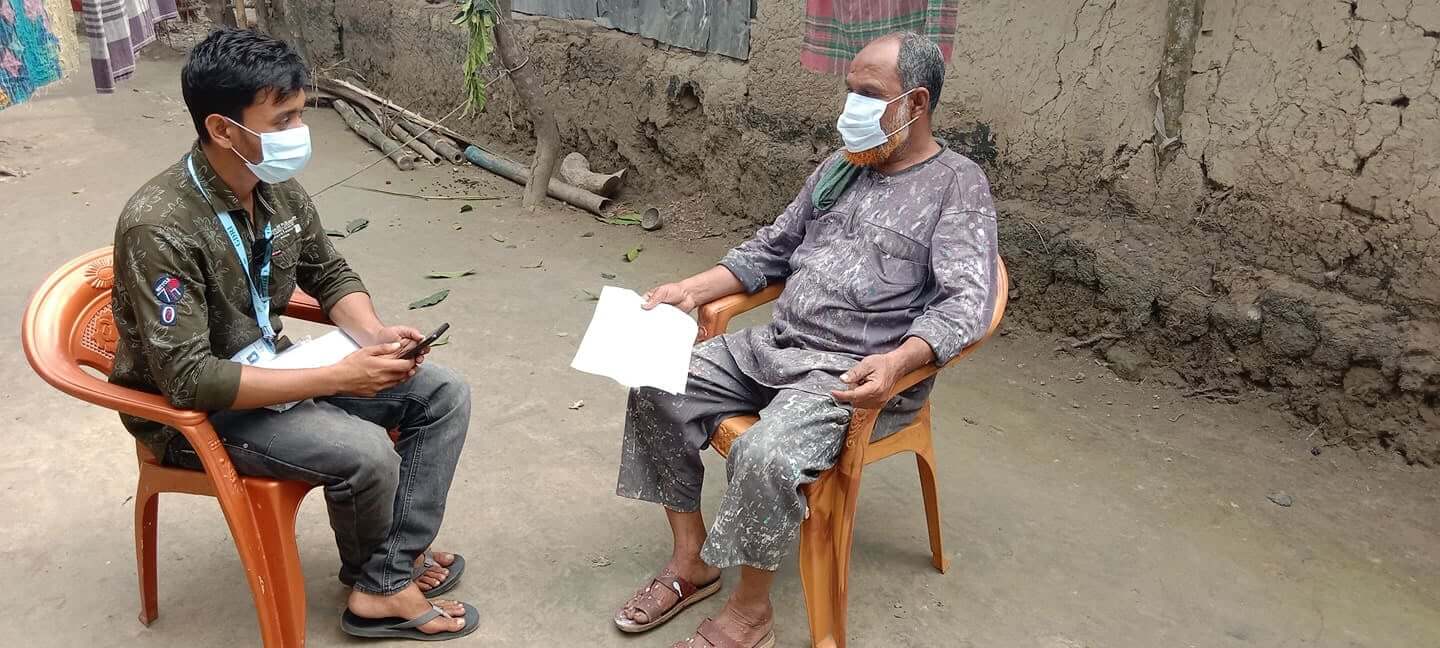
Data Management, Cleaning, and Analysis: Baseline/mid/endline child assessments (literacy/numeracy/exec function), household/parenting surveys by graduate enumerators; pre-intervention parental network survey (borrowing/illness support/visits); monitored attendance/fidelity via supervision/leaders; data entry/cleaning/analytic datasets; disseminated findings on low-cost gains/spillovers via networks to stakeholders.
Project Details
-
Project Type
Completed Projects
-
Start
Dec 2013
-
Focus Themes
Education