
Loading...
Loading...
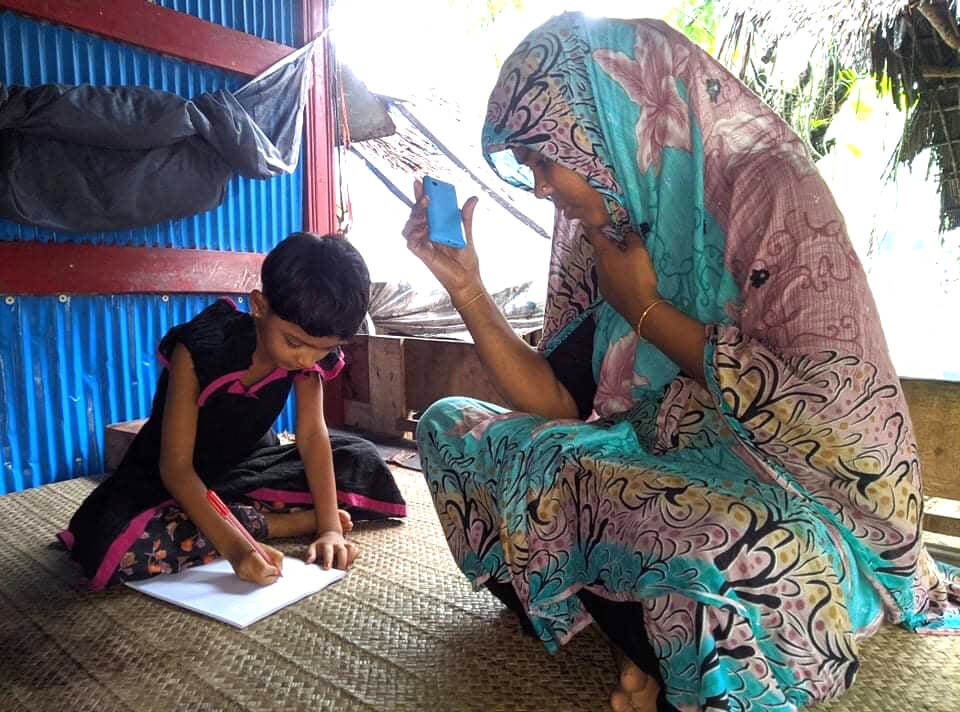
Feb 2020 — Feb 2024
Project Background:
Since educational institutions closed on 18 March 2020 to contain COVID‑19, rural Bangladeshi children have relied heavily on parental support for learning. Many schools and universities experimented with online teaching, but these options remain limited in rural and peri‑urban areas due to weak IT infrastructure. Government television and radio lessons reach only a minority of students because 43.9 percent of households have a TV and just 0.6 percent have a radio, while about 94.2 percent possess at least one basic mobile phone.
Parental involvement is strongly linked to better learning, yet parents often lack guidance on how to support schooling at home, and involvement is uneven across households, reinforcing educational inequality. Evidence from other settings shows that simple “nudges”—short tips via SMS, calls, or brief meetings—can increase parental engagement. This project leverages the high penetration of basic feature phones to deliver structured tele‑mentoring to rural primary pupils and their parents, aiming to reduce learning gaps and strengthen home‑based educational support.
Project areas
Five upazilas in south‑western Bangladesh where school closures and limited digital infrastructure have disrupted children’s education.
Rural primary school children and their families with access to at least one basic mobile phone but little or no access to online learning platforms.
Communities where television and radio coverage is low, but mobile networks provide a feasible channel for regular educational contact.
Project Authority:
Lead academic institution:
· Centre for Development Economics and Sustainability (CDES), Monash University (Principal Investigator: Professor Asad Islam).
Co-investigators:
Firoz Ahmed, Associate Professor, Khulna University, Bangladesh.
Tabassum Rahman, School of Public Health, University of Newcastle.
Local implementation partner:
· A Bangladeshi organization with IVR experience, with scope for GDRI to act as field research partner for listing, surveys, and implementation support.
Donors:
Primary funder (proposed): Laerdal Foundation for Acute Medicine (application for project costs, including IVR set‑up, call centre, fieldwork, and staff).
In-kind support: CDES, Monash University, providing institutional backing, administrative support, and contingency funding.
Roles of GDRI:
Field Implementation and Community Engagement:
Help identify and recruit pregnant women and mothers of newborns in selected villages.
Coordinate with village leaders, health workers, and the IVR/call‑centre provider to ensure enrolment and participation.
Data Collection and Monitoring:
Conduct baseline and endline household surveys and outcome measurements (e.g., service use, knowledge, birth outcomes).
Support monitoring of IVR usage, SMS delivery, and advisory calls.
Data Management and Dissemination:
Clean and securely store survey data, then share structured datasets with the academic team.
Contribute to analysis and co author reports, policy briefs, and presentations on IVR-based maternal and newborn health services.
Project Type
Completed Projects
Duration
Feb 2020 — Feb 2024
Focus Themes
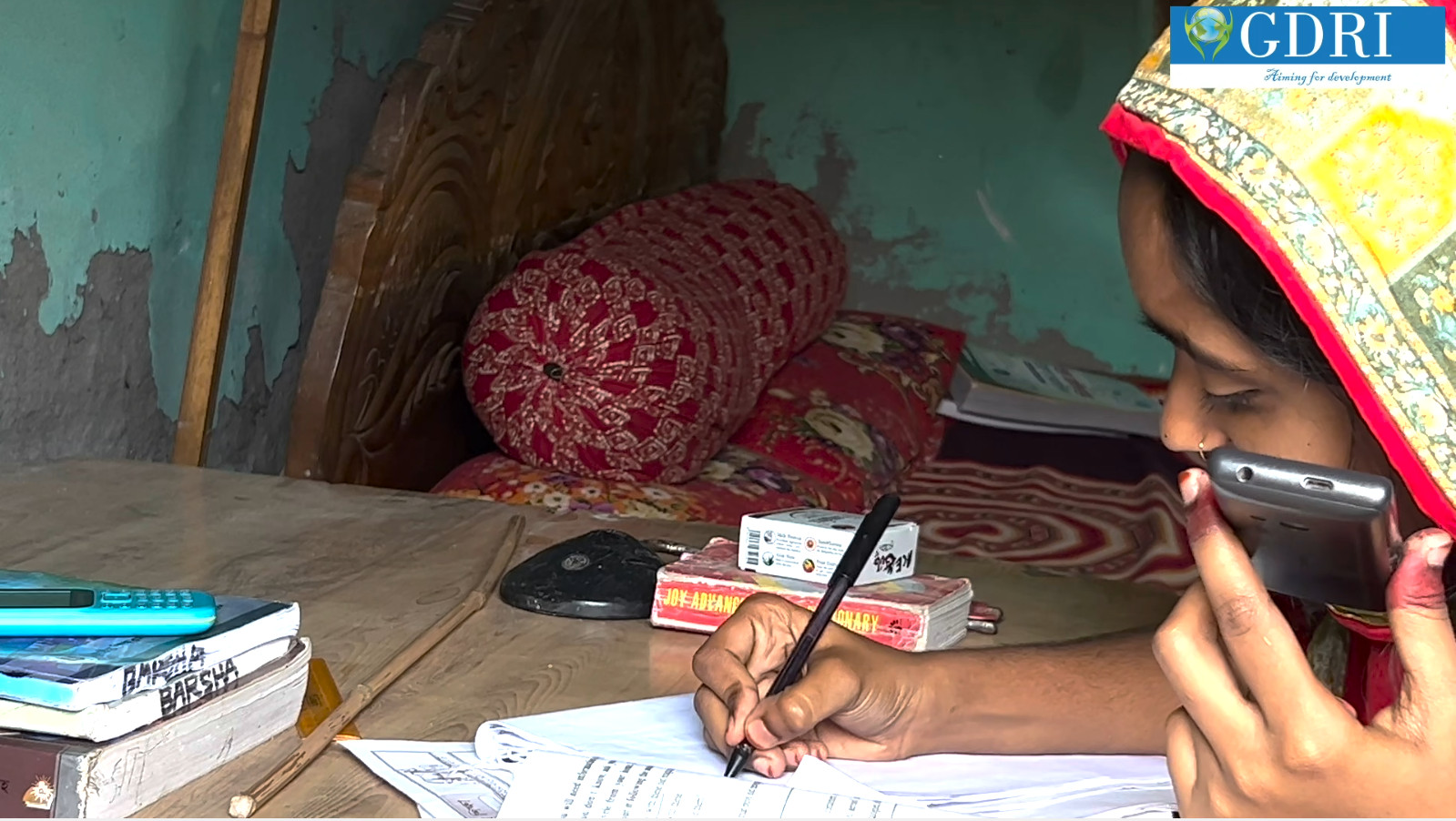
Addressing Learning Loss Using Low Tech Remote Learning among Underprivileged High School Students: The Bangladesh Case
Ongoing Projects
Mar 2023
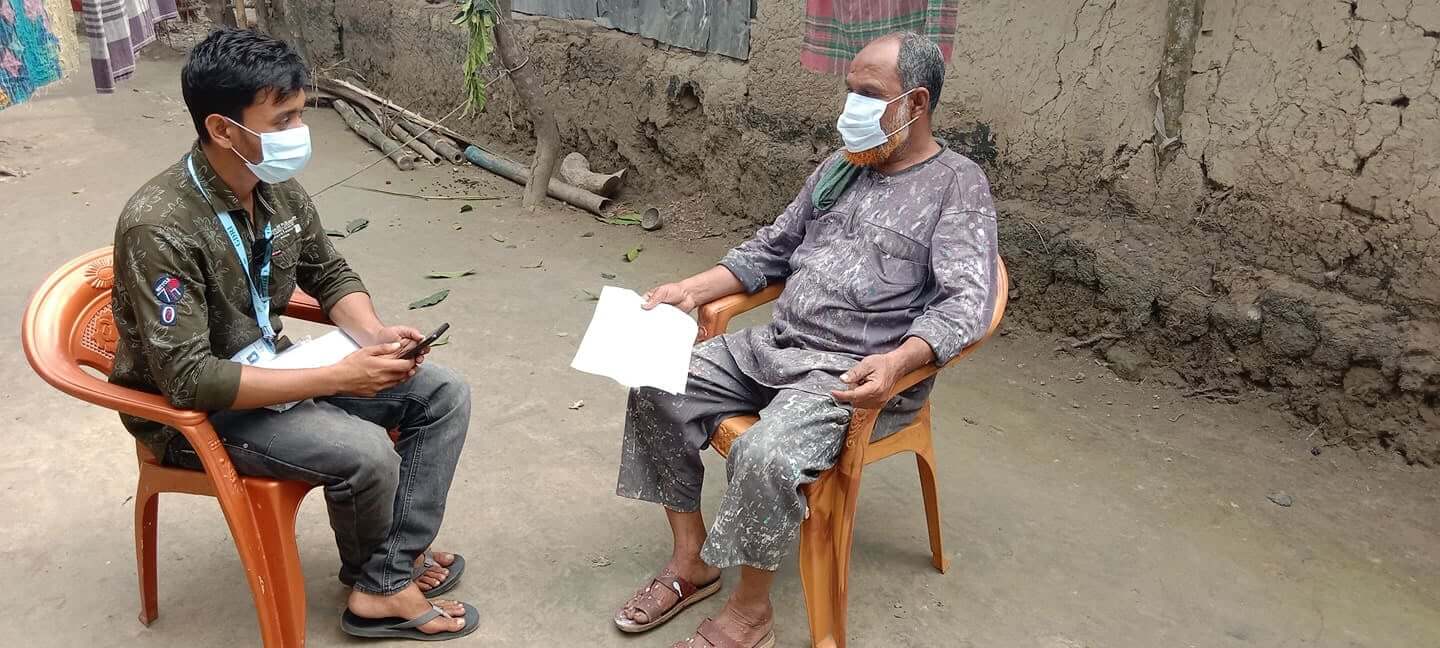
Income Loss and Wellbeing during COVID-19 Lockdown in Rural Bangladesh: Evidence from Large Household Surveys
Completed Projects
Apr 2023
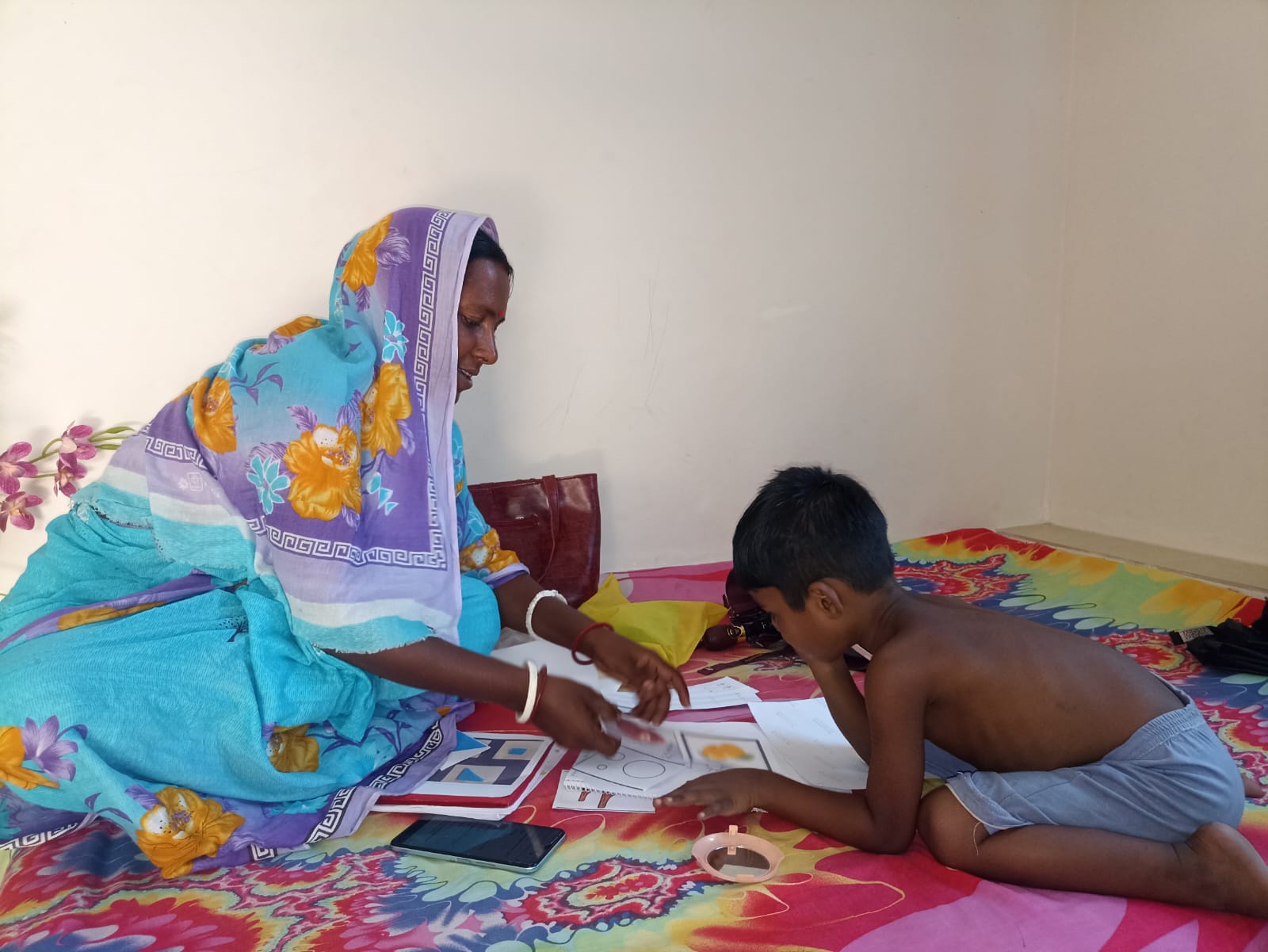
Telementoring and Homeschooling during school closures: A randomized Experiment in Rural Bangladesh
Completed Projects
Mar 2021