
Loading...
Loading...
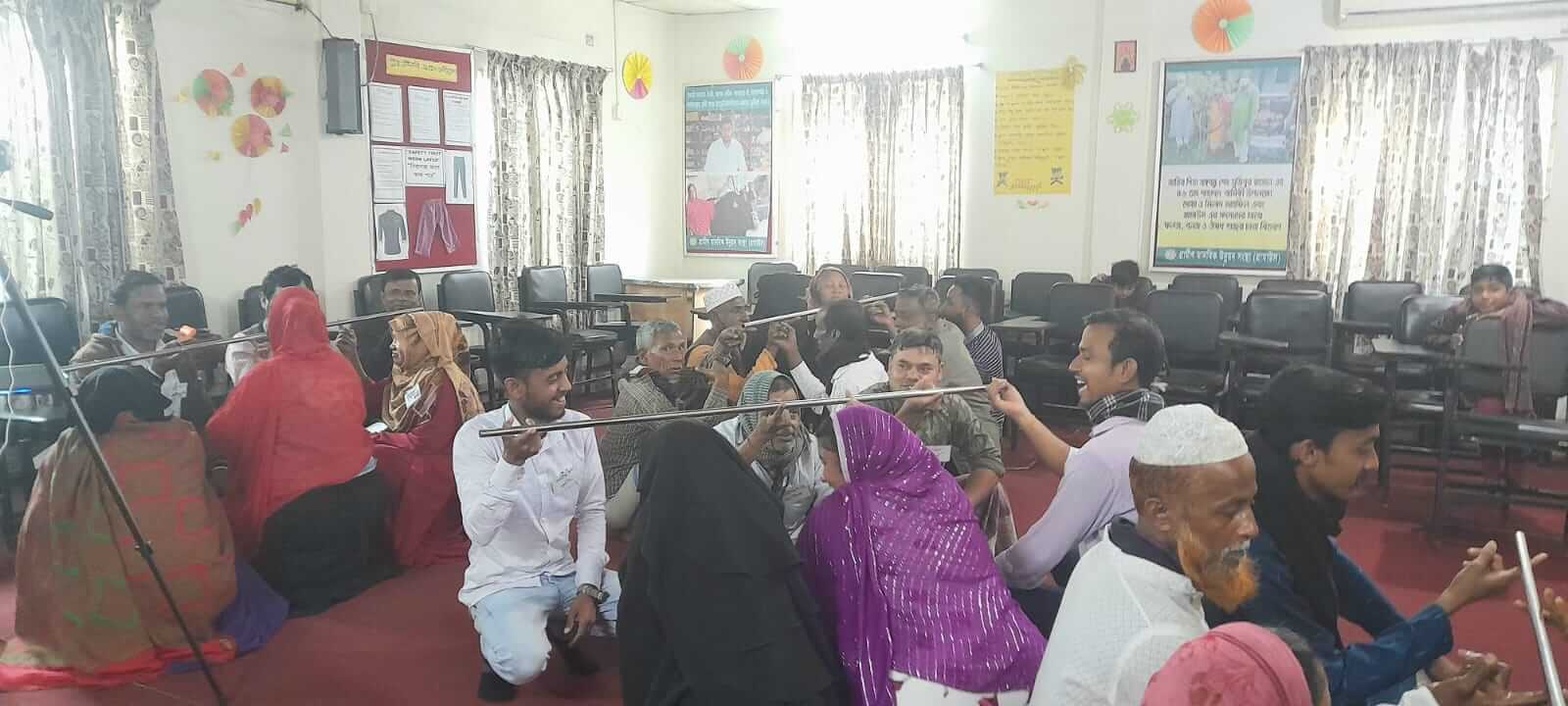
May 2024 — Mar 2026
Women’s economic participation in Bangladesh remains constrained by restrictive gender norms that limit access to decent work, advancement opportunities, and safe, respectful workplaces. These norms manifest through biased hiring, hostile or unsafe work environments, and barriers to promotion that jointly depress women’s agency and firms’ productivity. At the same time, emerging evidence shows that gender norms are malleable and can be shifted through structured information, dialogue, and skills-based training.
This project tests whether an intensive, workplace-based gender sensitivity curriculum delivered in small and medium-sized manufacturing firms can improve gender attitudes, reduce harassment and discrimination, and strengthen teamwork and productivity. Working closely with BRAC and the BRAC Institute of Governance and Development (BIGD), the study combines rigorous randomized evaluation with practical, firm-level engagement to identify scalable approaches for creating more gender-inclusive workplaces in Bangladesh.
• Medium-sized, mixed-gender manufacturing enterprises in Bangladesh, located across multiple districts and including both urban and semi-urban areas.
• Approximately 2,000 firms with 5–20 employees each, with at least 10 percent women in the workforce (excluding family workers).
• Around 6,000 employees and 2,000 managers will participate in surveys and lab-in-the-field experiments.
Project Authority:
• Lead academic institution: Centre for Development Economics and Sustainability (CDES), Monash University.
Key research partners:
• BRAC Institute of Governance and Development (BIGD), BRAC University.
• BRAC Skills Development Programme.
• University of Vermont.
• KDI School of Public Policy and Management.
Principal Investigator: Professor Asad Islam (CDES, Monash University).
Donors:
The project is supported through international competitive research funding under the “Private Enterprise Development in Low-Income Countries (PEDL)” window and complementary grants from bilateral and multilateral donors focused on firms, labor markets, and gender equality. These resources finance large-scale randomized fieldwork, multi-round data collection, and extensive dissemination and policy engagement.
Capacity Development and Intervention Design:
• Adapting gender training content to local industrial contexts and cultural norms.
• Supporting instrument design for firm and worker surveys and experimental tasks.
Field Implementation and Community Engagement:
• Coordinating with local firms and associations to facilitate recruitment and sustained participation.
• Supervising local field teams, quality control, and ethical oversight in data collection.
• Developing data management protocols to ensure secure handling and anonymization of firm and worker data.
• Contributing to data analysis, report preparation, and co-authorship of policy briefs and academic outputs.
• Leading or co-hosting dissemination events with national stakeholders, SMEs, and civil society.
Project Type
Ongoing Projects
Duration
May 2024 — Mar 2026
Focus Themes
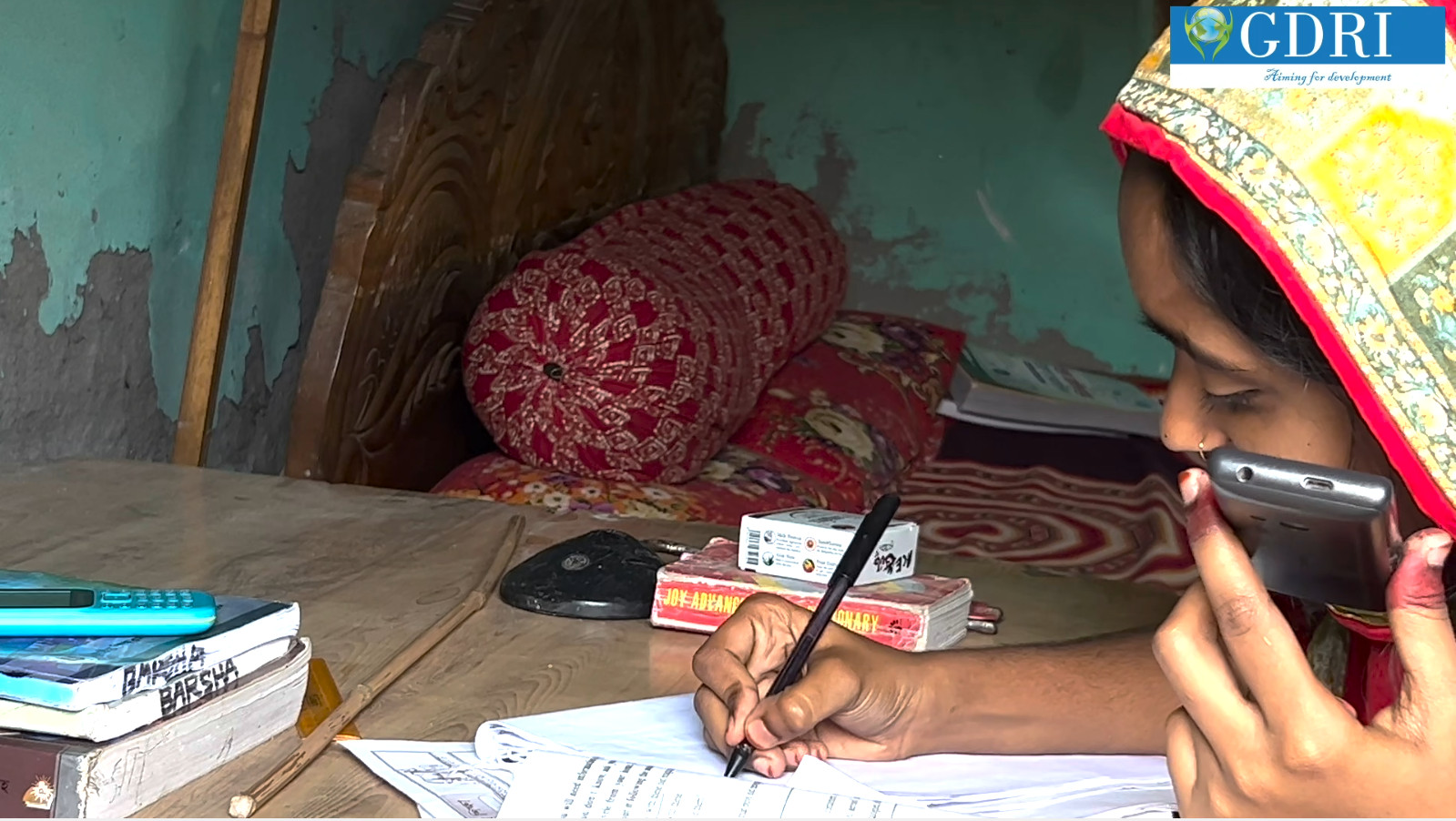
Addressing Learning Loss Using Low Tech Remote Learning among Underprivileged High School Students: The Bangladesh Case
Ongoing Projects
Mar 2023

Interactive Voice Response (IVR)–Based Health Information for Antenatal and Postnatal Care Services in Rural Bangladesh
Ongoing Projects
Feb 2023
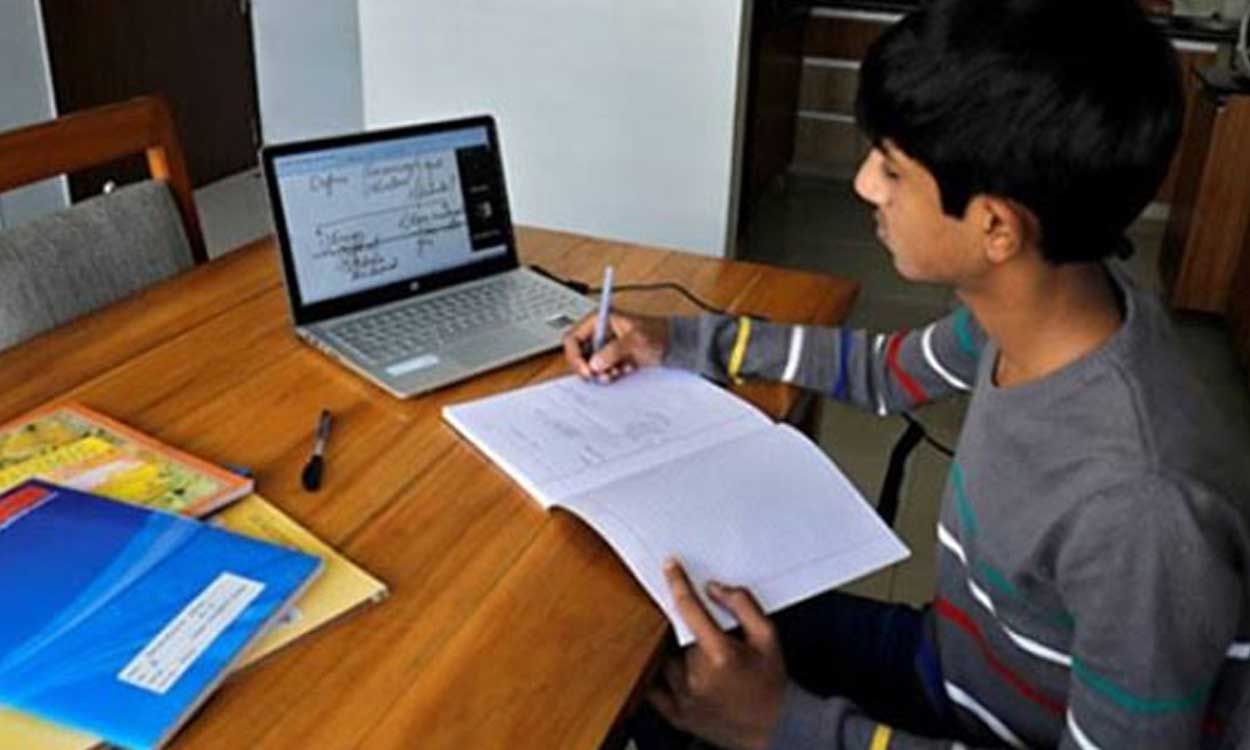
Bridging Learning Gaps with Out-of-School Learning Program: Experimental Evidence from Bangladesh
Ongoing Projects
Jan 2023