
Loading...
Loading...

Feb 2023 — Ongoing
Interactive Voice Response (IVR)–Based Health Information for Antenatal and Postnatal Care Services in Rural Bangladesh Theme: Health Project Background: Bangladesh has made notable progress in maternal and child health, yet maternal mortality remains high at around 176 deaths per 100,000 live births, and neonatal mortality at 30 deaths per 1,000 live births, accounting for roughly two-thirds of under-five deaths. The risk of death in the first month of life is nearly four times higher than in the subsequent 11 months, highlighting the importance of high-quality care during pregnancy, childbirth, and the immediate postnatal period. Rural women face multiple barriers to safe motherhood, including limited availability and quality of services, low health literacy, restrictive gender norms, stigma, and cultural beliefs around pregnancy. Disparities between rural and urban areas and between wealthy groups lead to higher mortality among children in the poorest households. COVID-19 has further disrupted maternal and child health services, including immunization, and may have caused hundreds of thousands of additional maternal and child deaths in South Asia. Traditional channels for health information—radio, television, and the internet—are constrained in rural Bangladesh, whereas about 94 percent of rural households own at least a basic mobile phone. This project responds by using IVR and a toll-free call centre to deliver stage-specific, evidence-based maternal and newborn health information directly to women’s phones. Project areas
Project Authority: Lead academic institution: · Centre for Development Economics and Sustainability (CDES), Monash University (Principal Investigator: Professor Asad Islam). Co-investigators:
Local implementation partner: · Bangladeshi organization with IVR experience (with scope for GDRI to serve as field research partner for listing, surveys, and monitoring). Donors:
Roles of GDRI: Field Implementation and Community Engagement:
Data Collection and Monitoring:
Data Management and Dissemination:
|
Project Type
Ongoing Projects
Duration
Feb 2023 — Ongoing
Focus Themes
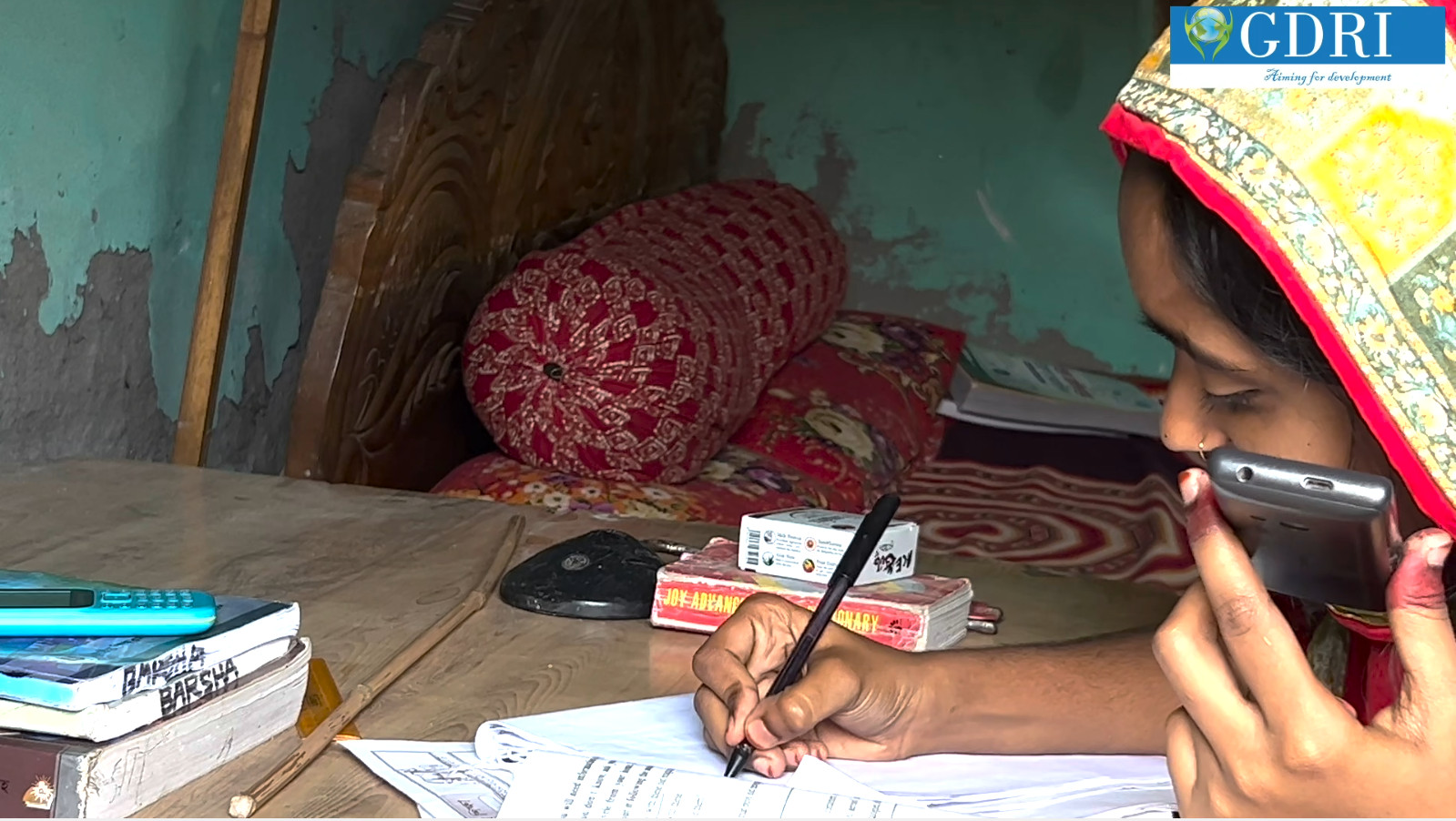
Addressing Learning Loss Using Low Tech Remote Learning among Underprivileged High School Students: The Bangladesh Case
Ongoing Projects
Mar 2023
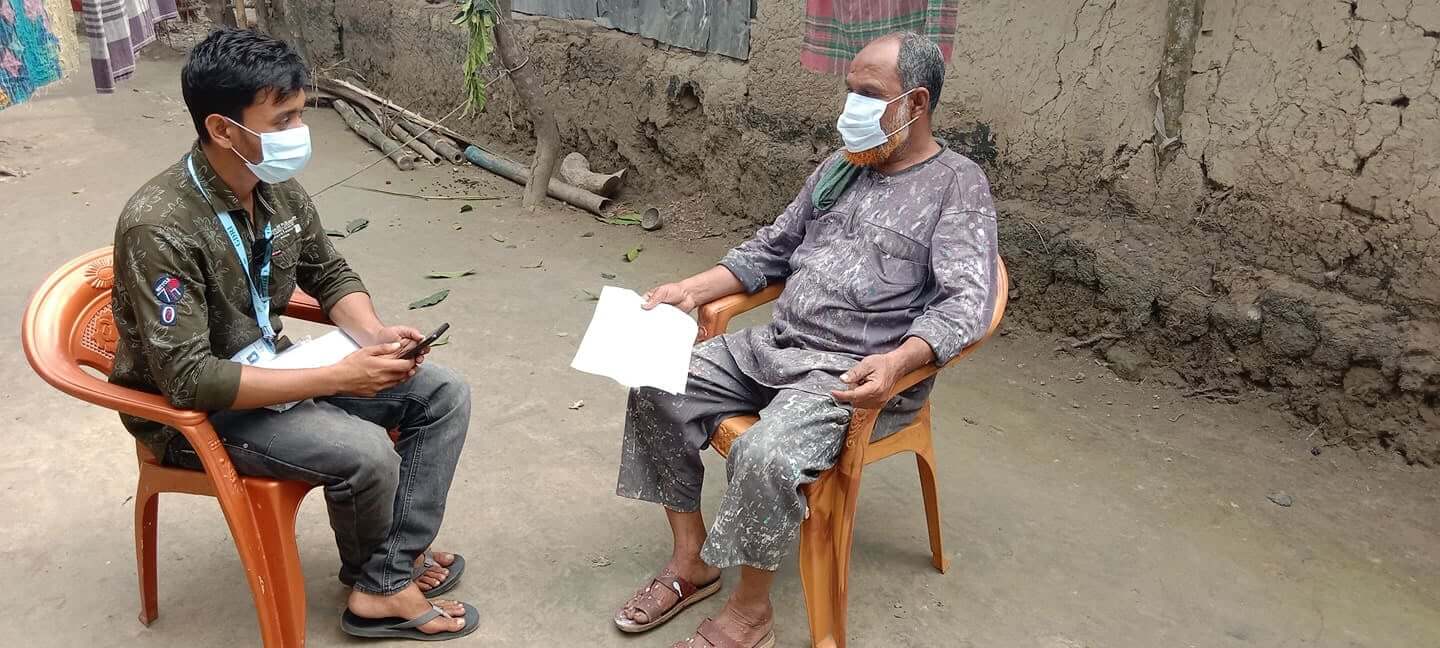
Income Loss and Wellbeing during COVID-19 Lockdown in Rural Bangladesh: Evidence from Large Household Surveys
Completed Projects
Apr 2023
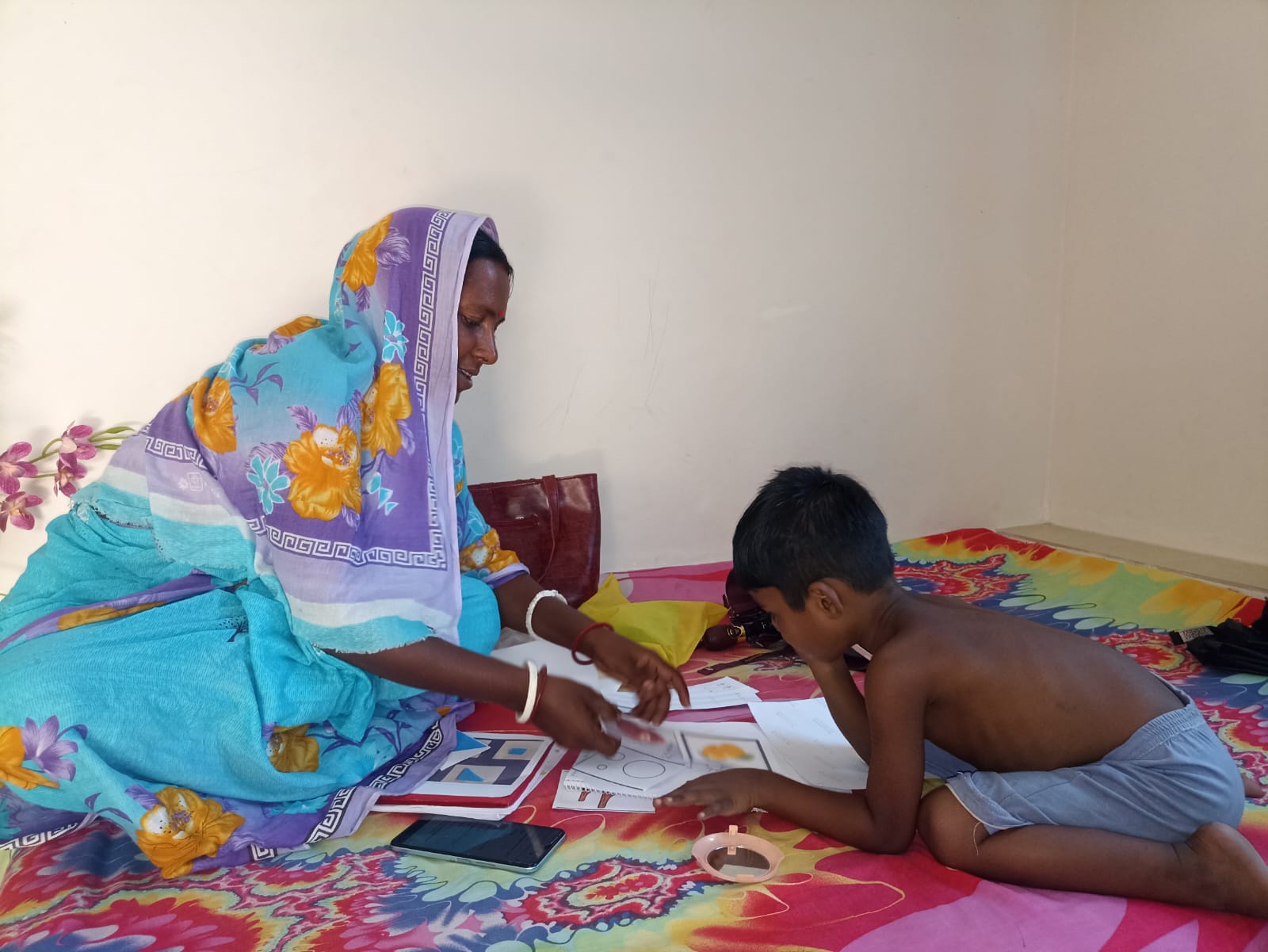
Telementoring and Homeschooling during school closures: A randomized Experiment in Rural Bangladesh
Completed Projects
Mar 2021