
Loading...
Loading...
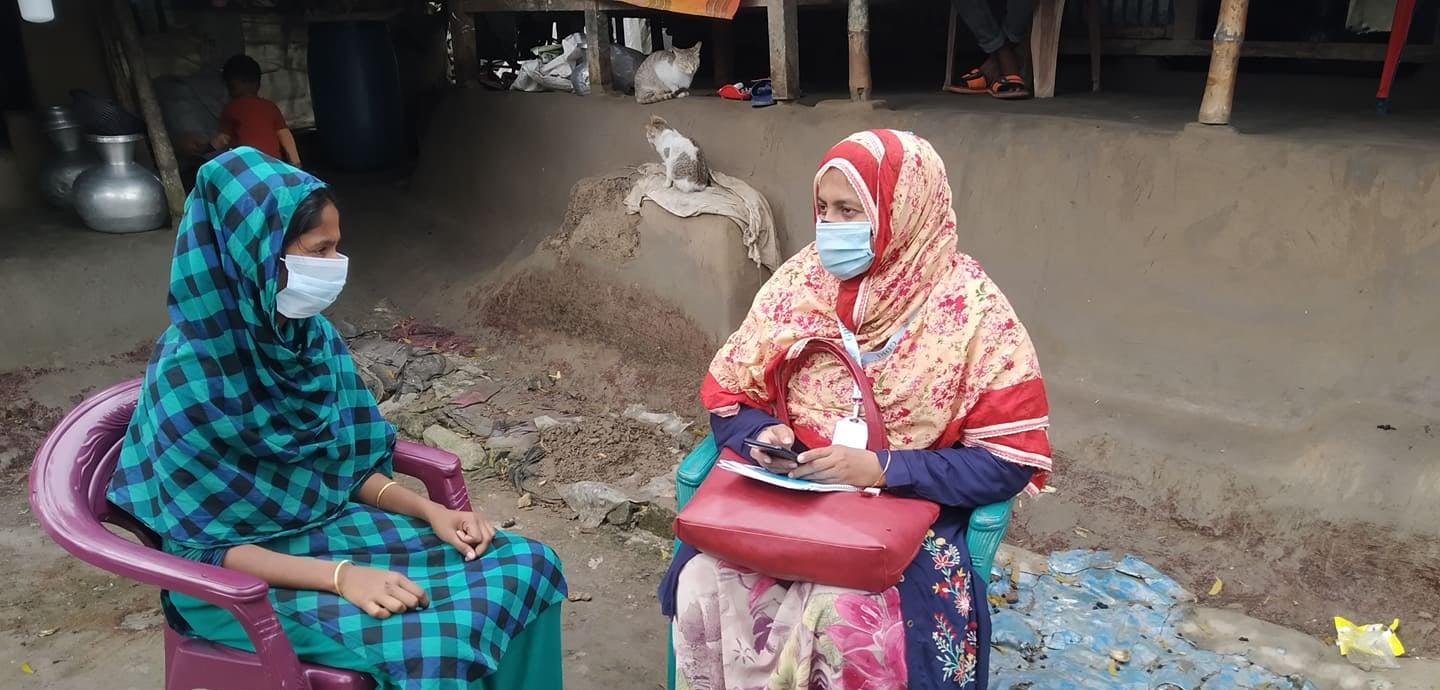
Feb 2022 — Ongoing
Project Background:
Bangladesh has rapidly expanded free COVID‑19 vaccination across the country, yet uptake remains below the level required for herd immunity, especially among rural and low‑income households with high vaccine hesitancy. While childhood vaccination is widely accepted, adult COVID‑19 vaccination is relatively new and surrounded by rumors, misinformation, and anxiety about efficacy and side effects. Recent studies indicate that between one‑third and over 40 percent of adults in Bangladesh remain hesitant, with higher reluctance among older adults, women, low‑income groups, Muslims, and residents of city corporation areas.
At the same time, development partners such as the Asian Development Bank have committed substantial resources (including through the Asia Pacific Vaccine Access Facility, APVAX) to support large‑scale vaccination drives. Identifying the most cost‑effective way to convert available vaccines into actual vaccinations is therefore a critical policy question. International experience suggests that information, financial incentives, and non‑financial support (such as improving access and logistics) can all increase vaccine take‑up, but there is very little rigorous evidence from low‑income rural settings on which package works best and for whom. This project addresses that gap through a large‑scale randomized evaluation of different incentive and accessibility strategies to increase adult COVID‑19 vaccination in Bangladesh and to generate lessons for other Asian countries.
Project Areas:
600 locations across multiple districts in Bangladesh, covering both rural and urban areas and diverse agro‑climatic and socio‑economic zones
12,000 adult individuals (aged 18+), one per household, all eligible for free COVID‑19 vaccination
Nationally representative sample drawn using the Bangladesh Bureau of Statistics Household Income and Expenditure Survey (HIES) sampling frame
Project Authority:
Lead Academic Institutions: Monash University; University of Dhaka; Cornell University; Hong Kong University of Science and Technology; IIT Kanpur
Local Research Partner: Global Development and Research Initiative (GDRI), Bangladesh
Government Collaborator: Institute of Epidemiology, Disease Control and Research (IEDCR), under the Ministry of Health and Family Welfare, Government of Bangladesh
Donors:
Asian Development Bank (ADB), including support aligned with the Asia Pacific Vaccine Access Facility (APVAX) for large‑scale vaccination drives in Bangladesh
Roles of GDRI:
Capacity Development and Intervention Design:
Supported the adaptation of financial (cash, lottery) and non‑financial (accessibility support) incentive packages to the Bangladeshi public health and community context.
Contributed to the design of the randomized controlled trial, including sampling strategy using BBS frames, stratified randomization of 12,000 individuals into three treatment arms and one control group, and the development of survey tools to measure hesitancy, beliefs, and uptake.
Helped integrate ethical procedures and IRB requirements from Dhaka University and Monash University, and supported registration of the RCT protocol with the Australian New Zealand Clinical Trials Registry (ANZCTR).
Field Implementation and Community Engagement:
Coordinated with district administrations, local authorities, and community leaders to facilitate community entry, ensure smooth survey operations, and build trust around the interventions.
Recruited and trained field teams to conduct baseline, endline, and follow‑up surveys, as well as lab‑in‑the‑field games with a sub‑sample of participants to measure risk and time preferences and pro‑social behavior.
Oversaw implementation of the three intervention arms—cash incentive (BDT 500), lottery incentive (1% chance of BDT 50,000), and accessibility support (registration assistance, transport, reminders)—alongside an information‑only control group.
Data Management, Cleaning, and Analysis:
Managed large‑scale quantitative data collection, including baseline characteristics, vaccination attitudes, and on‑site verification of vaccination cards to obtain objective outcome measures.
Implemented rigorous data cleaning and documentation, including strategies to handle attrition (IPW and Lee bounds), social desirability bias, and multiple hypothesis testing (Westfall‑Young adjustments and sharpened q‑values).
Collaborated with the academic team to estimate intention‑to‑treat effects of each intervention arm, conduct heterogeneity analysis using modern machine‑learning techniques (e.g., LASSO, causal forests), and generate policy‑relevant findings.
Project Type
Completed Projects
Duration
Feb 2022 — Ongoing
Focus Themes
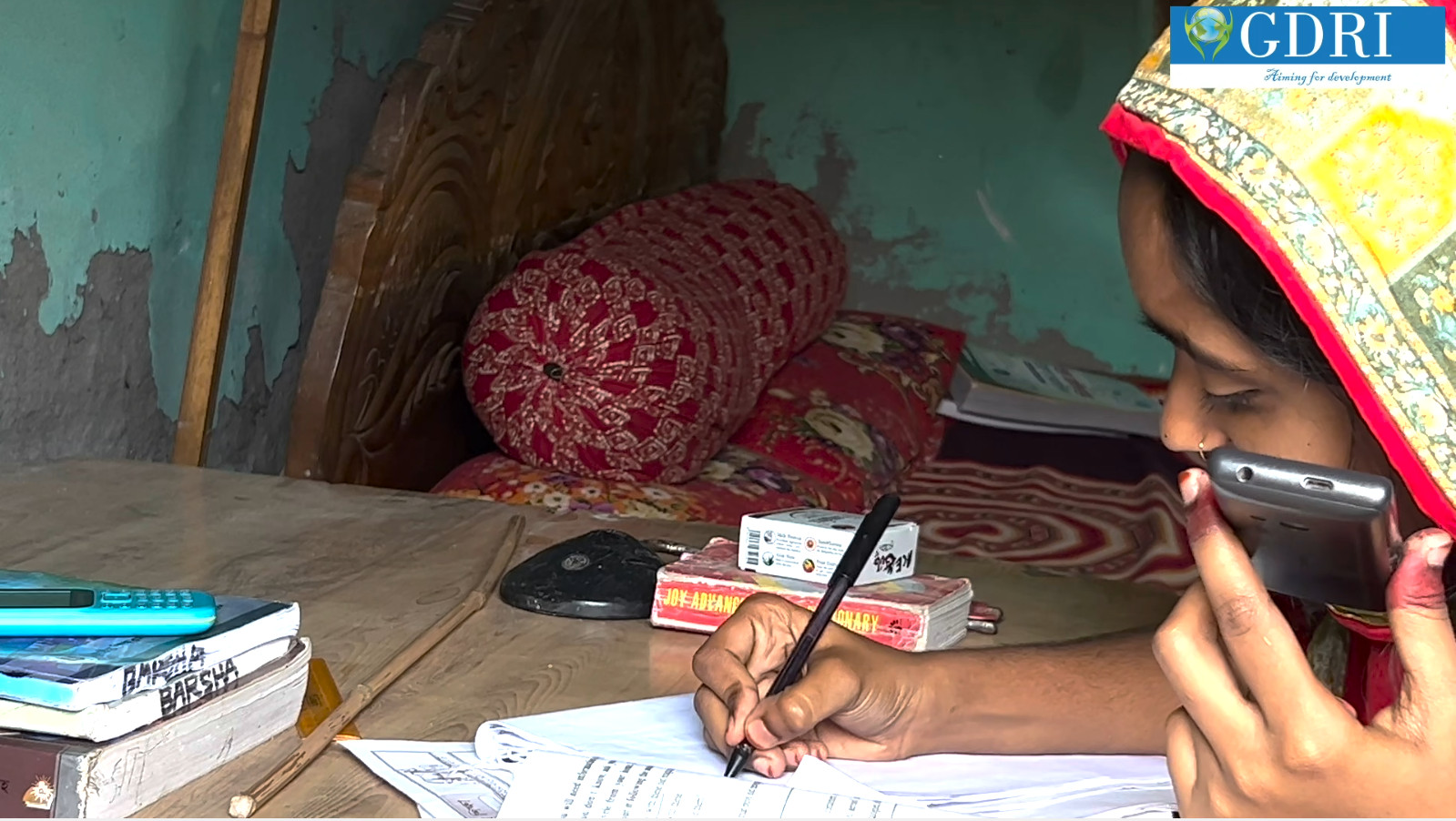
Addressing Learning Loss Using Low Tech Remote Learning among Underprivileged High School Students: The Bangladesh Case
Ongoing Projects
Mar 2023
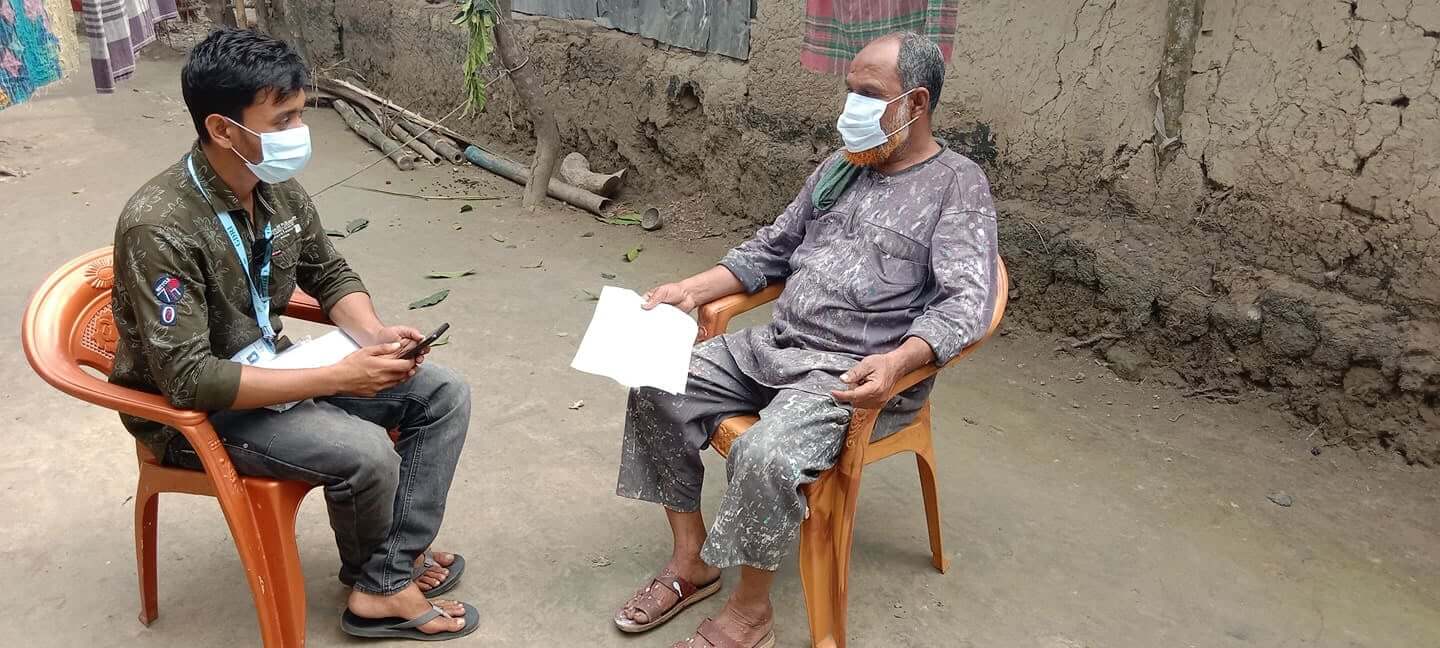
Income Loss and Wellbeing during COVID-19 Lockdown in Rural Bangladesh: Evidence from Large Household Surveys
Completed Projects
Apr 2023
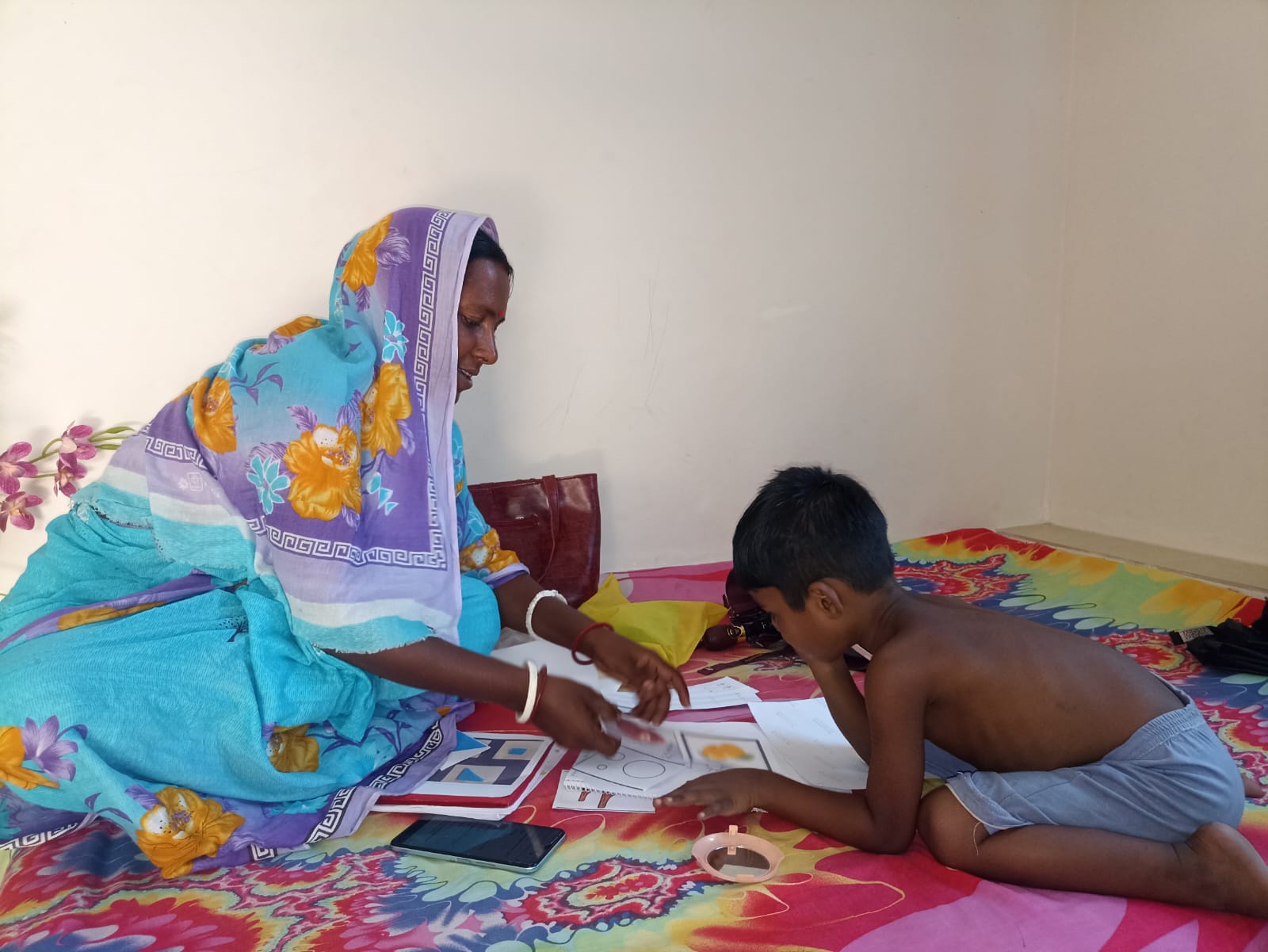
Telementoring and Homeschooling during school closures: A randomized Experiment in Rural Bangladesh
Completed Projects
Mar 2021