
Loading...
Loading...
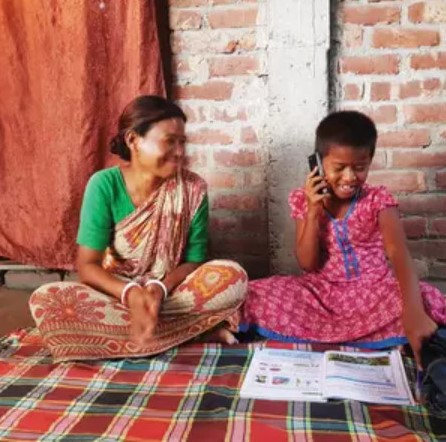
Feb 2021 — Feb 2024
Project Background:
Bangladesh has achieved near-universal primary school enrollment, yet many children in rural areas continue to struggle to reach grade-level competencies in basic literacy and numeracy. This learning crisis was sharply aggravated by COVID-19, when prolonged school closures disrupted formal education and left children with few structured opportunities to continue learning at home. Children from poorer households and girls were particularly vulnerable, as they often have fewer educational resources, carry heavier household responsibilities, and face higher risks of early marriage and permanent dropout.
At the same time, access to digital learning remains highly unequal. Television and internet-based lessons often fail to reach rural, low-income families, even though basic mobile phones are now present in the vast majority of these households. This project addresses this gap by introducing an Interactive Radio Instruction (IRI)-style model that delivers structured, curriculum-aligned audio lessons via a toll-free number accessible on simple feature phones.
Through a randomized controlled trial (RCT) involving 1,500 primary-grade children across 60 villages—assigned to either literacy and numeracy lessons, literacy plus behavioral skills lessons, or a control group—the study documents COVID-related learning loss and rigorously tests whether low-cost, phone-based lessons can improve cognitive and non-cognitive outcomes while narrowing gender and socio-economic disparities in learning.
Project Areas:
60 rural villages in the southwestern part of Bangladesh
1,500 primary-grade children from poor and vulnerable households
Total beneficiaries: 1,500, with 500 in the control group, 500 in Treatment 1 (literacy and numeracy lessons), and 500 in Treatment 2 (literacy, numeracy, and behavioral skills lessons)
Project Authority:
Lead Academic Institution: Monash University
Local Research Partner: Global Development & Research Initiative Foundation (GDRI)
Donors:
International research funding, building on the ESRC DFID-funded “Investing in Our Future” RCT infrastructure
Roles of GDRI:
Capacity Development and Intervention Design:
Supported adaptation of IRI-based lessons (numeracy, literacy, behavioral skills) to the national primary curriculum and local cultural context, drawing on the “Rising on Air” model
Helped structure a 15-week schedule of 20-minute audio lessons delivered over a toll-free IVR system accessible from basic feature phones
Contributed to IVR setup and field testing, survey and assessment tools, sampling strategy, and ethical procedures, including informed consent
Field Implementation and Community Engagement:
Recruited and trained local enumerators and assessors for phone-based and limited-contact household work
Listed villages and collected baseline, midline, and endline datasets
Conducted regular visits to beneficiaries to resolve technical issues
Implemented baseline confirmation, monitoring calls, and endline assessments with parents and children, and oriented households on lesson access
Tracked lesson uptake, addressed access issues, documented gendered and socio-economic barriers, and contributed to visual storytelling on children’s and mothers’ experiences
Data Management, Cleaning, and Analysis:
Applied standardized, secure data management procedures with anonymized IDs and controlled access
Conducted routine consistency checks and systematic cleaning, constructing key cognitive, non-cognitive, and household indicators
Implemented the agreed analytical strategy (including ANCOVA with village fixed effects and clustered standard errors) to estimate impacts and heterogeneity by gender and socio-economic status, and prepared analysis outputs for reports and publications
Project Type
Completed Projects
Duration
Feb 2021 — Feb 2024
Focus Themes
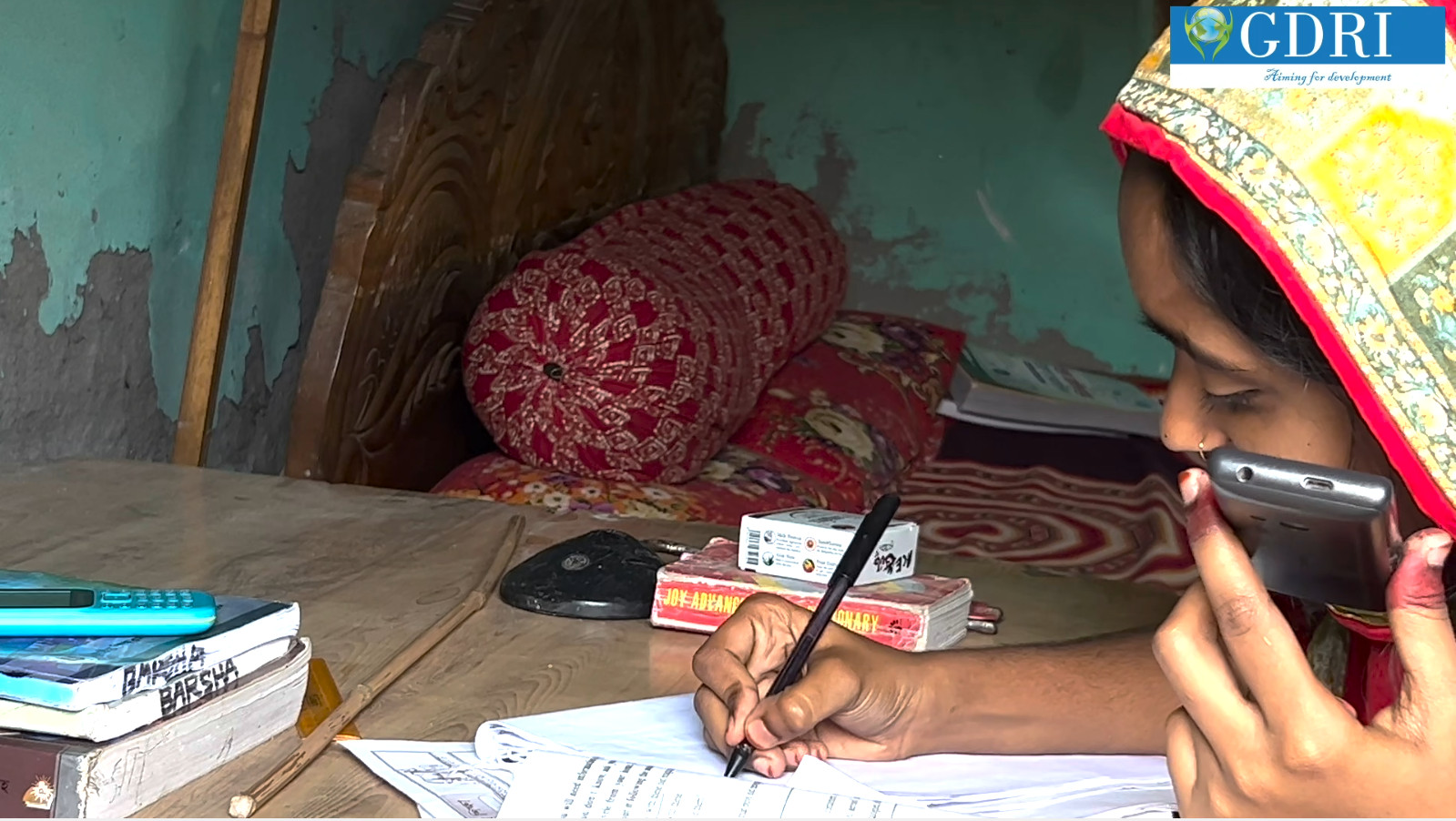
Addressing Learning Loss Using Low Tech Remote Learning among Underprivileged High School Students: The Bangladesh Case
Ongoing Projects
Mar 2023
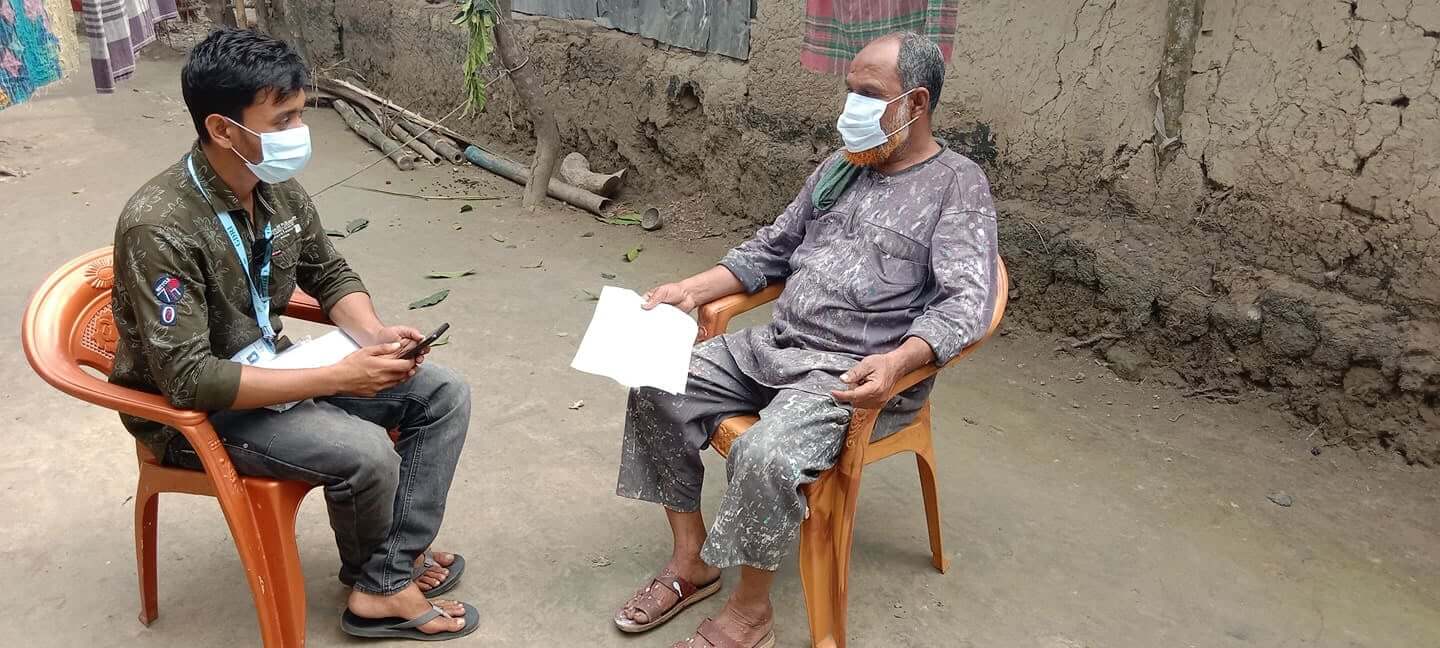
Income Loss and Wellbeing during COVID-19 Lockdown in Rural Bangladesh: Evidence from Large Household Surveys
Completed Projects
Apr 2023
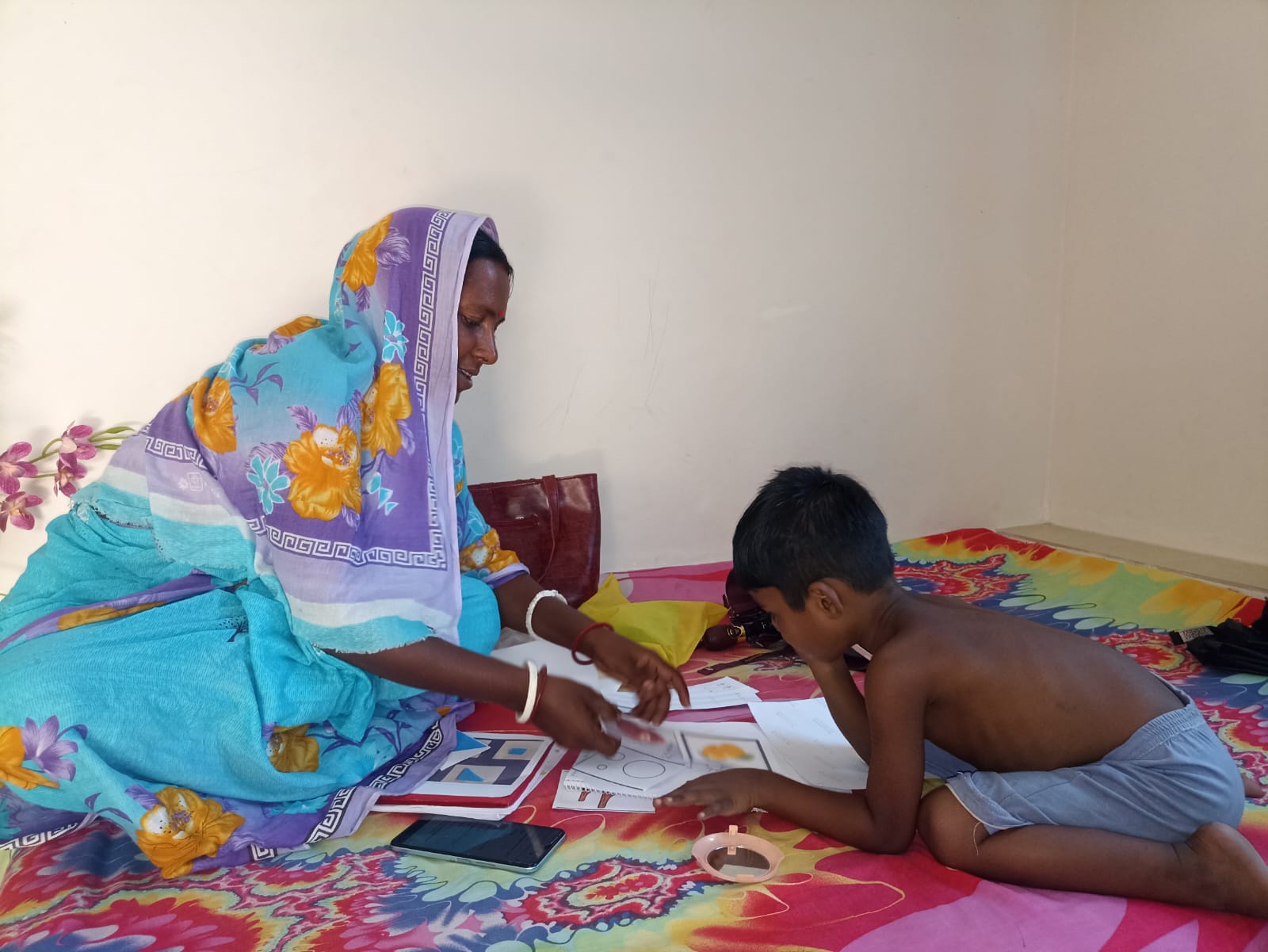
Telementoring and Homeschooling during school closures: A randomized Experiment in Rural Bangladesh
Completed Projects
Mar 2021