
Loading...
Loading...

Feb 2014 — Ongoing
Project Background:
The rapid increase in market news and trading activity raises an important question: Does more frequent information improve or distort investors’ portfolio choices? Myopic loss aversion (MLA) combines loss aversion with short‑term (myopic) mental accounting. It predicts that frequent evaluation of risky assets leads investors to underinvest in those assets, helping explain the equity premium puzzle. Existing evidence on MLA comes mainly from laboratory settings in developed economies, which may not reflect real‑world behavior in emerging markets or when real money and naturally occurring risk are at stake.
This project combines a framed field experiment with detailed administrative data from brokerage accounts in the Dhaka Stock Exchange (DSE) to examine whether MLA observed in the lab predicts actual trading patterns of non‑professional retail investors in an emerging market. It measures individual‑level MLA experimentally, links it to daily transaction and portfolio data over two years, and studies how information feedback frequency shapes risk‑taking and trading behavior.
Project areas
Dhaka Stock Exchange (DSE), Dhaka, Bangladesh.
Eight partner brokerage houses: Reliance, IIDFC, Lanka Motijheel, Lanka Uttara, PFI, Prime Bank, Mercantile, and Modern.
Non‑professional retail traders enrolled in a financial training programme organised with brokerage partners and BIDS.
Project Authority:
Lead Academic Institutions:
Centre for Development Economics and Sustainability (CDES) and Department of Economics, Monash University.
Bangladesh Institute of Development Studies (BIDS), Dhaka.
Department of Economics, University of Chicago; Blockchain Innovation Hub, RMIT University.
Local Research Partner (Bangladesh field and data access): BIDS in collaboration with partner brokerages in Dhaka.
Donors:
Generous financial support from Monash University.
Research support from the Bangladesh Institute of Development Studies (BIDS).
Roles of GDRI:
Capacity Development and Intervention Design:
adapting content (e.g. IRI lessons, IVR scripts, FIES questions) to local context; contributing to sampling, tools, and ethical procedures.
Field Implementation and Community Engagement:
· listing villages and households, recruiting and training enumerators, conducting baseline and follow‑up surveys (phone and in‑person), and troubleshooting implementation issues.
Data Management, Cleaning, and Analysis:
managing call logs and fieldwork, ensuring data quality, cleaning and preparing datasets, and supporting analysis.
Project Type
Completed Projects
Duration
Feb 2014 — Ongoing
Focus Themes
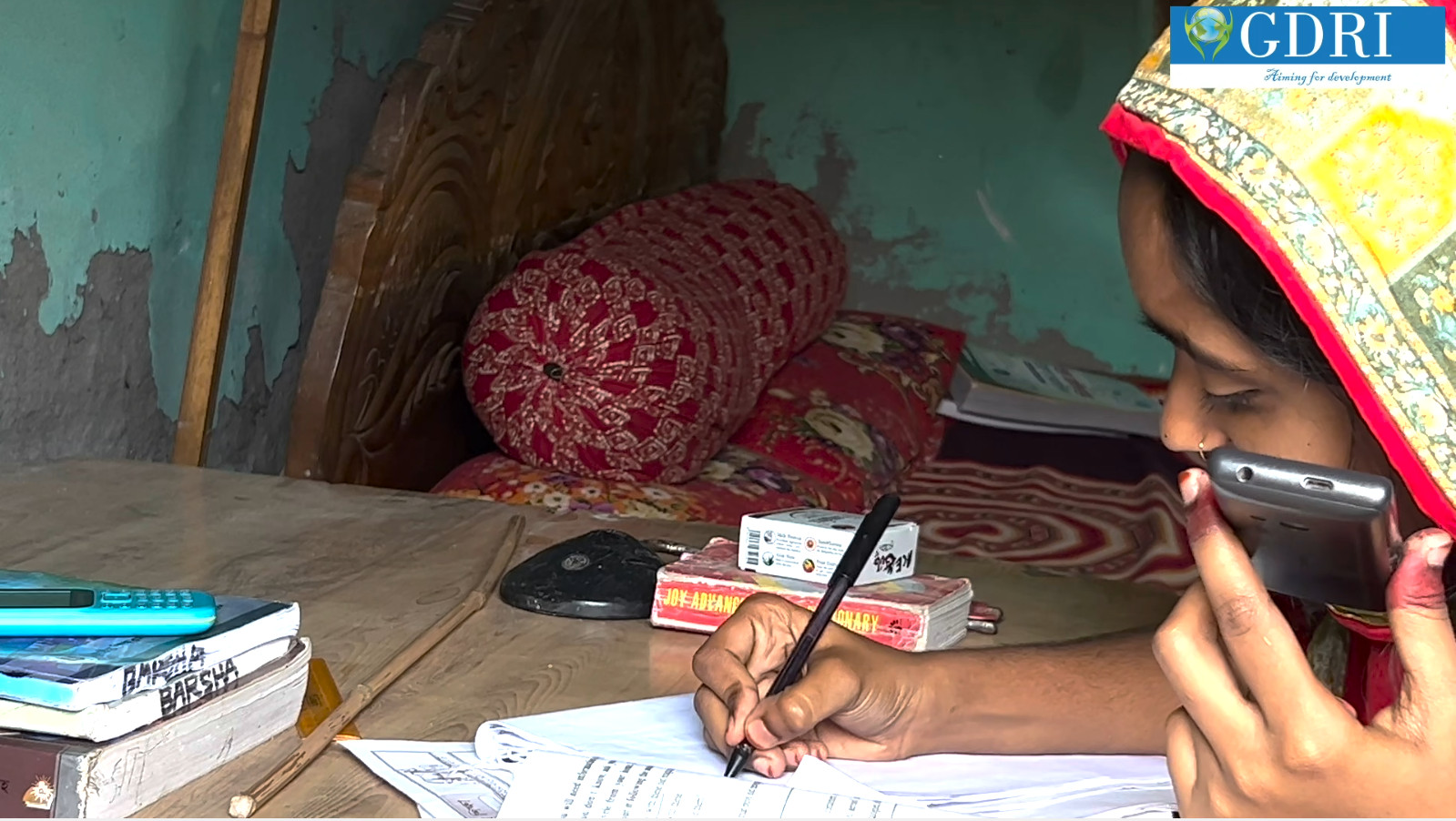
Addressing Learning Loss Using Low Tech Remote Learning among Underprivileged High School Students: The Bangladesh Case
Ongoing Projects
Mar 2023
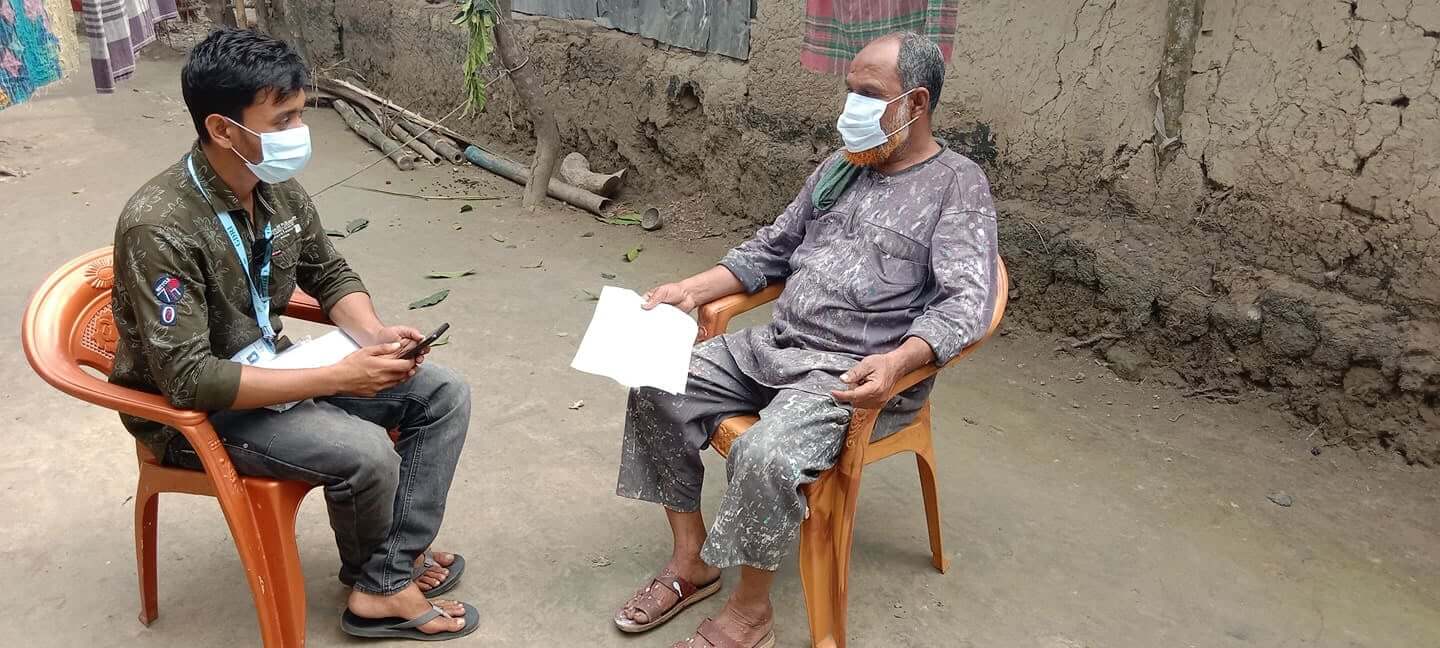
Income Loss and Wellbeing during COVID-19 Lockdown in Rural Bangladesh: Evidence from Large Household Surveys
Completed Projects
Apr 2023
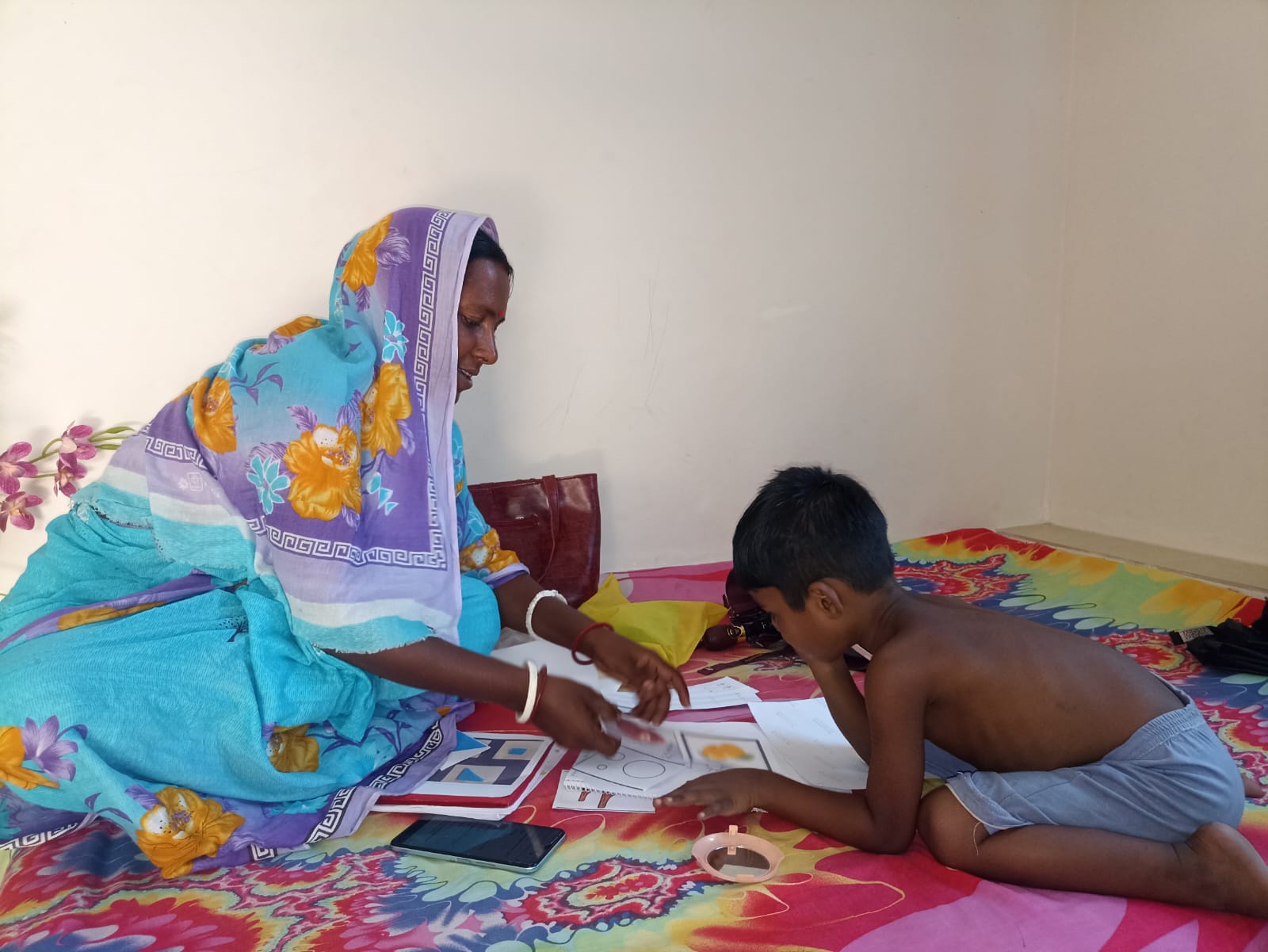
Telementoring and Homeschooling during school closures: A randomized Experiment in Rural Bangladesh
Completed Projects
Mar 2021