
Loading...
Loading...
Apr 2016 — Ongoing
Project Background:
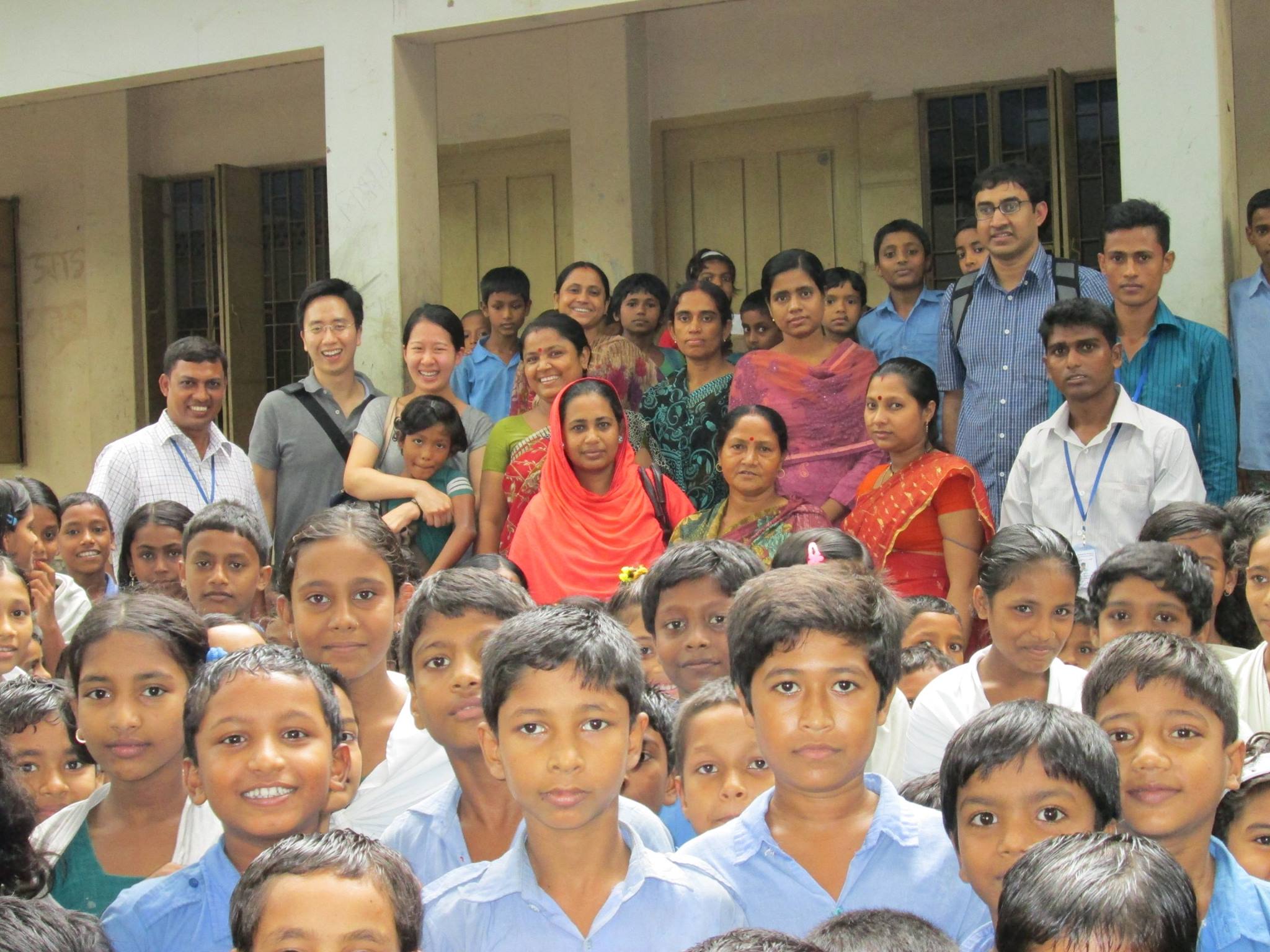
Many parents in rural Bangladesh are first‑generation learners and have limited information about what happens in school or how to support their children’s education at home. This project tested whether simple, regular parent–teacher meetings can improve primary school learning outcomes by increasing parental engagement and teacher accountability. Over two academic years, government primary schools in two rural districts (Khulna and Satkhira) implemented a structured program of monthly one‑to‑one meetings where teachers shared individualized report cards with parents and discussed each child’s academic progress, attendance and homework, alongside practical guidance for supporting learning at home.
Using a large randomized controlled trial with 76 rural government schools (40 treatment, 36 control), the study followed more than 4,000 students in grades 3–5 over two years. Learning outcomes were measured using project‑administered standardized tests and the national Primary School Certificate (PSC) examination results, together with detailed surveys of parents, students and teachers. The program substantially improved student achievement: overall test scores in treatment schools increased by 0.26 standard deviations in the first year and 0.38 standard deviations by the end of the second year, with gains in reading, writing and general knowledge as well as core subjects. The intervention also improved student attitudes and behaviour, increased parental help with homework and monitoring, and reduced absenteeism among both students and teachers, showing that structured parent–teacher meetings are a low‑cost, scalable tool for improving education quality in disadvantaged settings.
Project Areas:
76 rural government primary schools in Khulna and Satkhira districts, southwest Bangladesh
Over 4,000 students in grades 3–5 at baseline, from low‑income, under‑privileged households where most parents have not completed secondary education and mothers rarely work outside the home.
Project Authority:
Lead Academic Institution: Monash University, Australia
Local Research and Implementation Partner: Global Development Research Initiative (GDRI), Bangladesh
Government Partner: Department of Primary Education (DPE), Government of Bangladesh, which approved and facilitated implementation in government schools.
Donors:
International Growth Centre (IGC)
Australian Aid (AusAID/DFAT)
Monash University research funding
Roles of GDRI:
Program Design and Preparation:
Assisted in adapting the parent–teacher meeting model to the rural Bangladeshi primary school context, emphasizing low‑literacy‑friendly, face‑to‑face communication.
Developed operational guidelines for monthly one‑to‑one meetings, including preparation and use of simple report cards with test scores and attendance, aligned with DPE norms and school routines.
Field Implementation and School Coordination:
Organized introductory school meetings and community sensitization to explain the purpose of regular parent–teacher meetings.
Coordinated with head teachers to schedule monthly meetings, send invitations and reminders to parents, and manage logistics on meeting days.
Supported teachers in conducting thirteen rounds of individual meetings over two academic years, ensuring meetings lasted around 15 minutes per parent and focused on progress, homework, and attendance.
Data Collection and Monitoring:
Administered baseline, midline and end‑line standardized tests in math, English, Bengali, science, reading, writing and general knowledge/IQ independently from schools, using trained enumerators and external graders.
Implemented structured surveys with parents, students and teachers to track parental involvement, time use, attitudes, behaviour, teacher practices and absenteeism.
Conducted random, unannounced school visits to monitor teacher and student presence and to verify implementation fidelity in treatment and control schools.
Research Support and Dissemination:
Led data entry, cleaning and construction of analysis datasets that underpin the European Economic Review publication.
Contributed to interpreting findings for Bangladeshi policymakers, emphasizing that regular, individualized parent–teacher meetings can be introduced at virtually no additional cost where such meetings are already mandated but not implemented.
Project Type
Completed Projects
Duration
Apr 2016 — Ongoing
Focus Themes
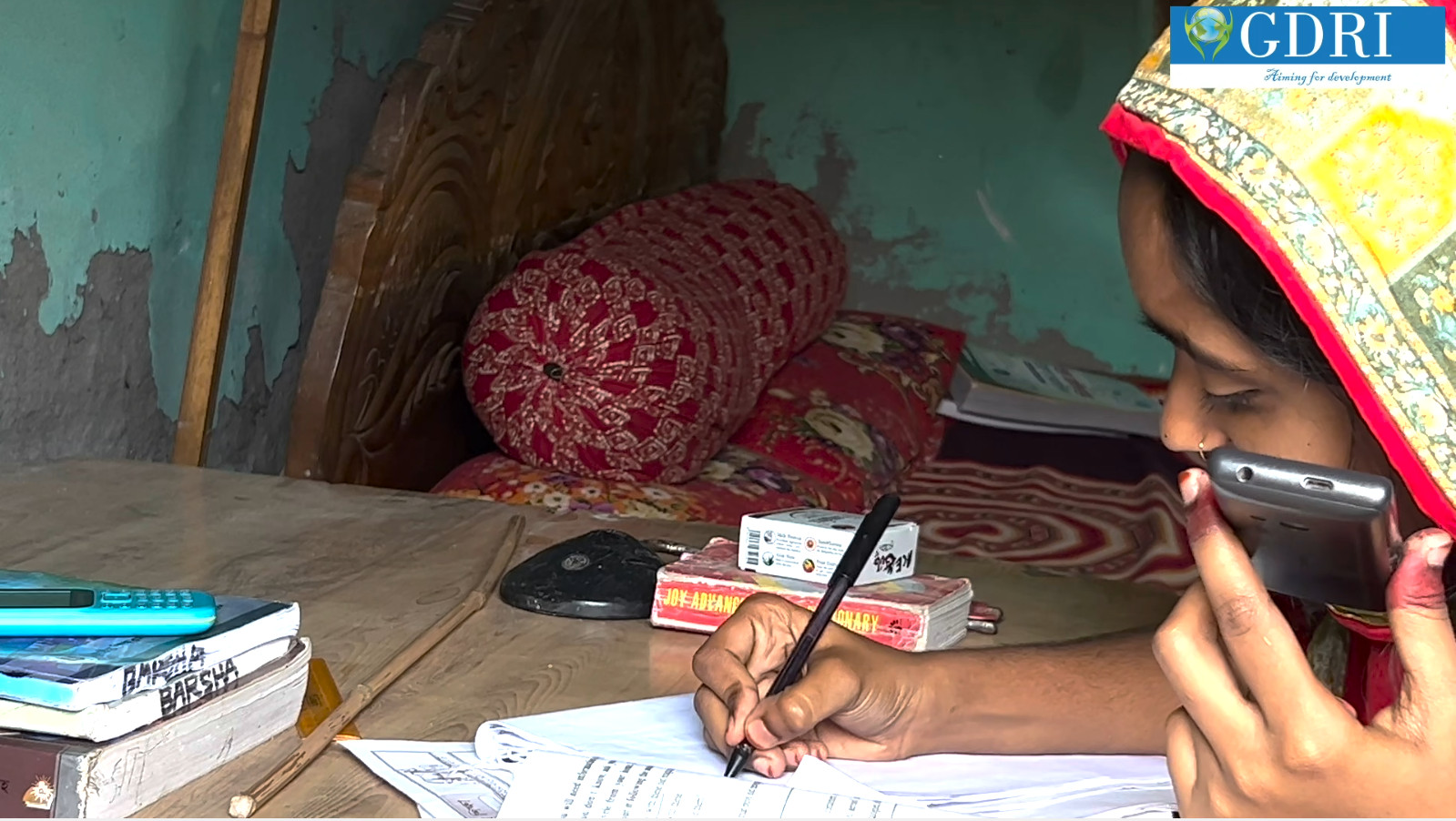
Addressing Learning Loss Using Low Tech Remote Learning among Underprivileged High School Students: The Bangladesh Case
Ongoing Projects
Mar 2023
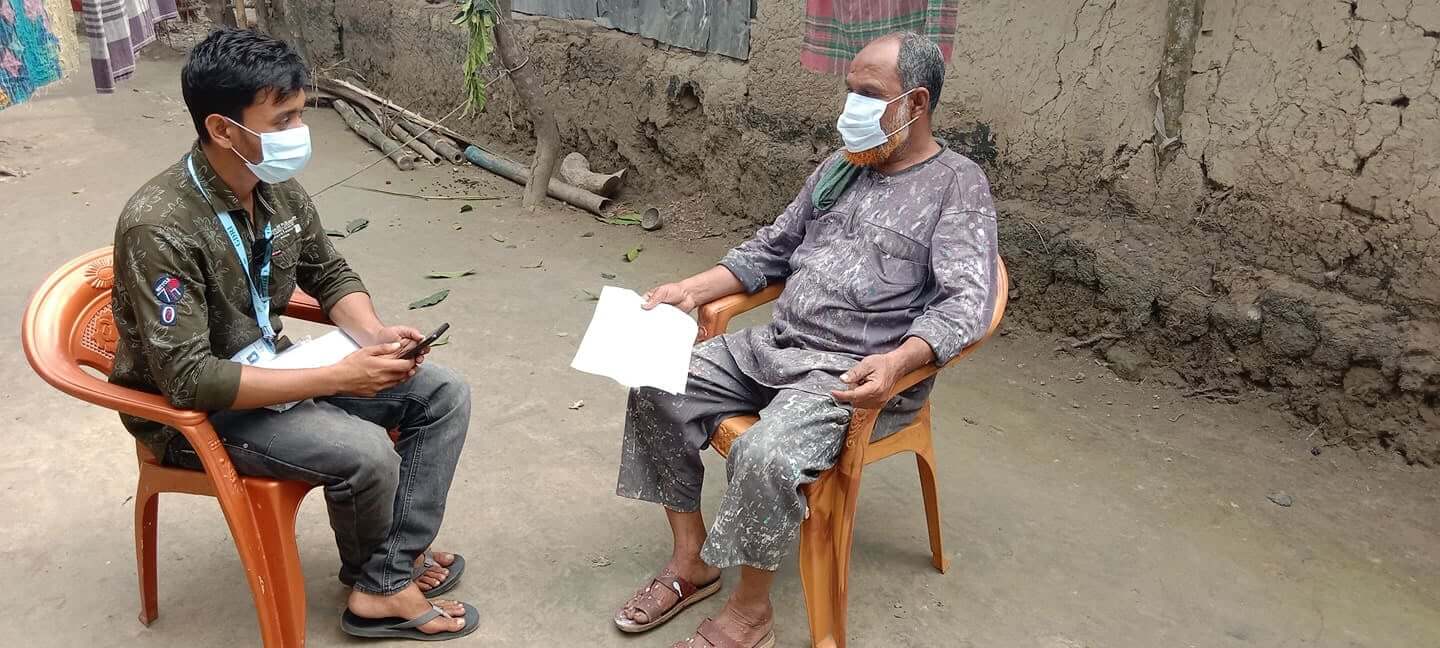
Income Loss and Wellbeing during COVID-19 Lockdown in Rural Bangladesh: Evidence from Large Household Surveys
Completed Projects
Apr 2023
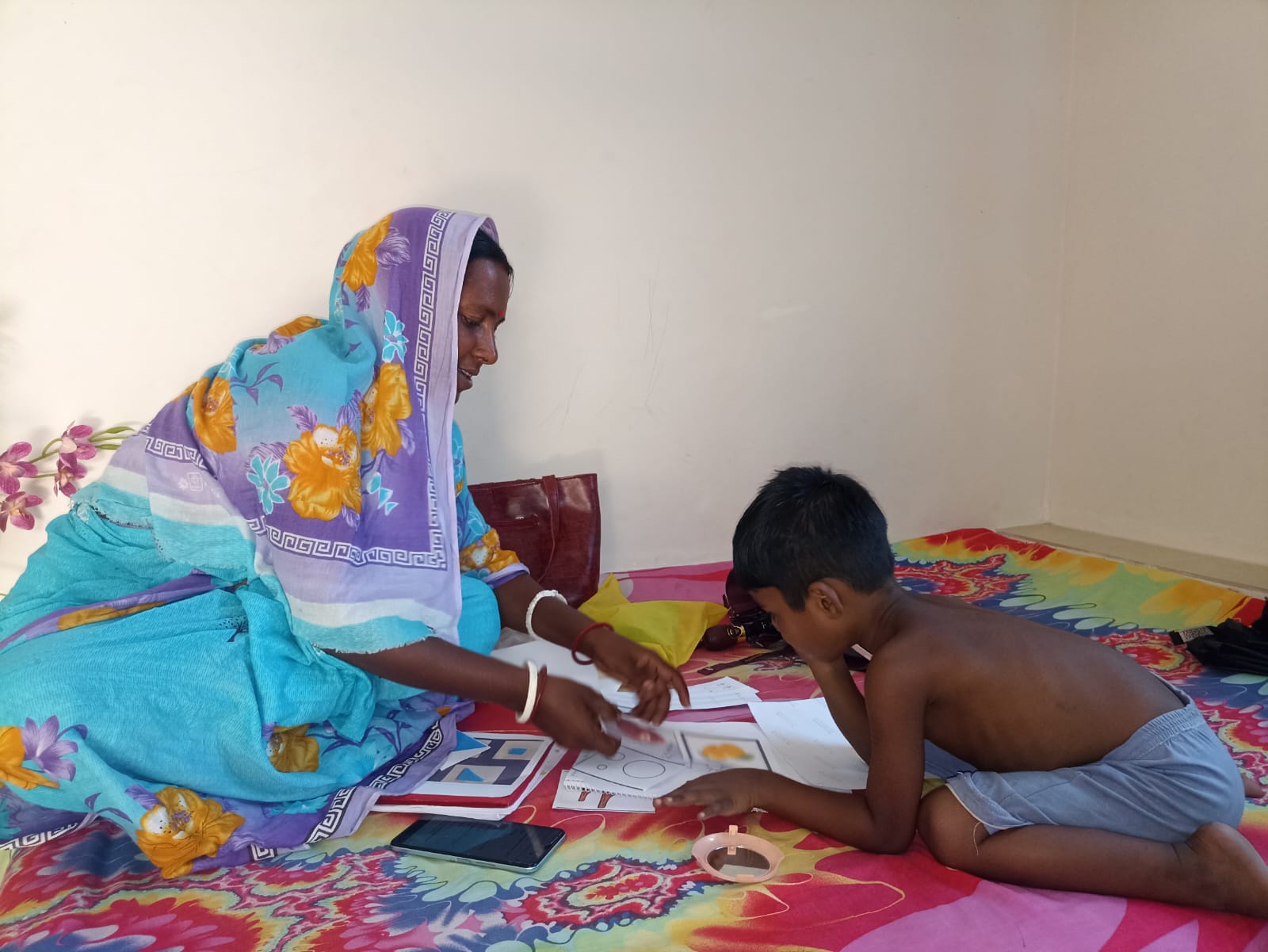
Telementoring and Homeschooling during school closures: A randomized Experiment in Rural Bangladesh
Completed Projects
Mar 2021