Risk Choices and Health Risks for Sex Workers in Bangladesh
Mar 2014
Project Background
Risk preferences influence health behaviors exposing people to illness/death; health research uses surveys for risk attitudes, economics/finance prefers incentivized tasks—but it's unclear which better predicts real-world high-stakes occupational risks.
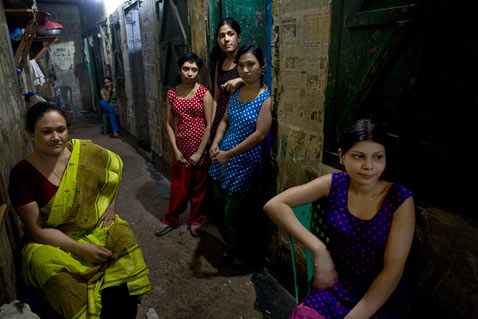
Leveraging Bangladesh's commercial female sex workers (facing routine STI risks), this 2016 study (two waves: 1,332 in eight brothels across six districts; 1,185 Wave 2 re-interviews, ~11% attrition) compares survey vs. incentivized lottery measures via detailed sexual transactions, health behaviors, to identify top predictors of unprotected sex.
Project Scope & Reach
Eight licensed brothels in six districts; 1,332 female sex workers (Wave 1), 1,185 (Wave 2); rich data on demographics, incomes, health/STI knowledge, last three transactions per worker (prices, condom use, act type, client details).
Key research partners
Department of Economics, Monash University (Lead); Global Development and Research Initiative (GDRI), Bangladesh; PIACT Bangladesh.
Funding & Support
Monash University; AusAID (DFAT), Australia.
Roles of GDRI
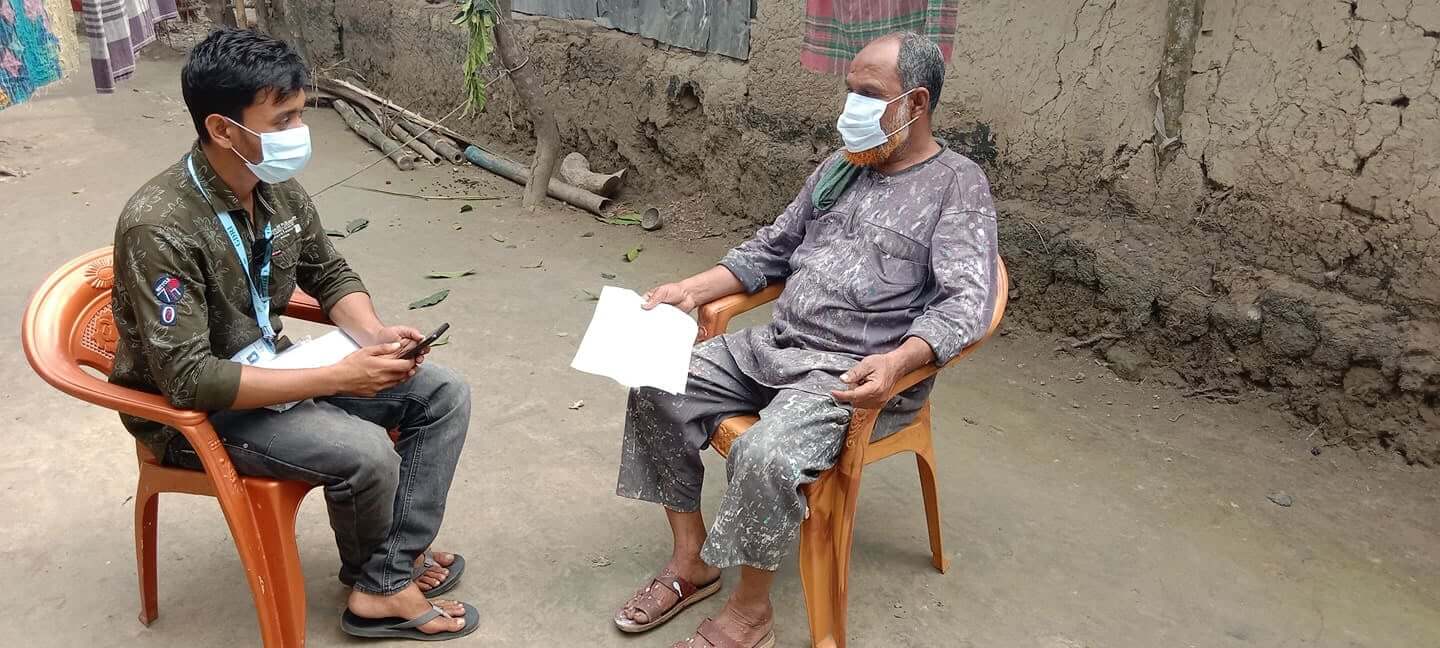
Field Implementation and Community Engagement: Partnered with PIACT for two survey waves including sampling/tracking; recruited/trained/supervised enumerators for confidential/ethical collection on sexual behaviors, health, income, risk attitudes.
Data Collection and Experimental Implementation: Designed/implemented incentivized lottery game eliciting financial risk with real cash payoffs; gathered transaction-level data (prices/condoms/acts/clients), survey measures (overall/financial/health risk tolerance), subsample biological urine samples for STI testing to validate self-reports.
Data Management and Research Support: Contributed to cleaning/documentation of analysis files (risk measures, behaviors, unprotected sex outcomes); ensured Monash Human Research Ethics compliance; co-authored Social Science & Medicine publication; translated findings for policy/research, highlighting survey health-risk questions predict high-stakes work behaviors.
Project Details
-
Project Type
Completed Projects
-
Start
Mar 2014
-
Focus Themes
Health Education