
Loading...
Loading...
Mar 2014 — Ongoing
Project Background:
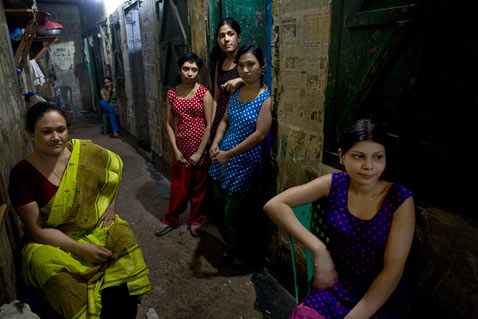
Risk preferences shape many health behaviors, including decisions that expose individuals to serious illness or death. In health research, survey questions are commonly used to measure risk attitudes, while incentivized experimental tasks are more often used in economics and finance. It is still unclear which type of measure better predicts real‑world risky decisions in high‑stakes occupational settings.
This study uses the unique context of commercial female sex workers in Bangladesh—who regularly face risks of sexually transmitted infections (STIs) in their work—to compare survey‑based and incentivized measures of risk preferences. The project is based on two waves of data collected in 2016 from 1,332 female sex workers in eight brothels across six districts (Wave 1), with 1,185 re‑interviewed in Wave 2. Detailed data on recent sexual transactions, health behaviors, and an incentivized lottery game were collected to see which risk measures best predict unprotected sex.
Project Areas:
Eight licensed brothels across six districts in Bangladesh
1,332 female sex workers in Wave 1; 1,185 followed up in Wave 2 (around 11% attrition)
Rich data on demographics, incomes, health behaviors, STI knowledge, and last three sexual transactions per worker
Project Authority:
Lead Institution: Department of Economics, Monash University (Australia)
Local NGO Collaborators: Global Development and Research Initiative (GDRI), Bangladesh; PIACT Bangladesh
Donors:
Monash University and AusAID (DFAT), Australia
Roles of GDRI:
Field Implementation and Community Engagement:
Partnered with PIACT Bangladesh to administer two survey waves in eight brothels, including sampling and tracking of sex workers over time.
Supported recruitment, training, and supervision of enumerators to collect sensitive data on sexual behavior, health, income, and risk attitudes in a confidential and ethical manner.
Data Collection and Experimental Implementation:
Helped design and implement the incentivized lottery game used to elicit financial risk preferences with real cash payoffs.
Facilitated collection of detailed transaction‑level data (prices, condom use, type of act, client characteristics) and survey‑based measures of overall, financial, and health risk tolerance.
Assisted with biological data collection (urine samples for STI testing) for a subsample of sex workers to cross‑check self‑reported risky behaviors.
Data Management and Research Support:
Contributed to data cleaning, documentation, and preparation of analysis files covering risk measures, risky health behaviors, and unprotected sex outcomes.
Supported communication with ethics committees and ensured adherence to Monash University Human Research Ethics approval conditions.
Knowledge Generation and Dissemination:
Co‑authored and supported publication of the study in Social Science & Medicine.
Helped translate findings for policy and research audiences, emphasizing that simple survey questions on health‑risk attitudes can meaningfully predict high‑stakes risky behavior at work.
Project Type
Completed Projects
Duration
Mar 2014 — Ongoing
Focus Themes
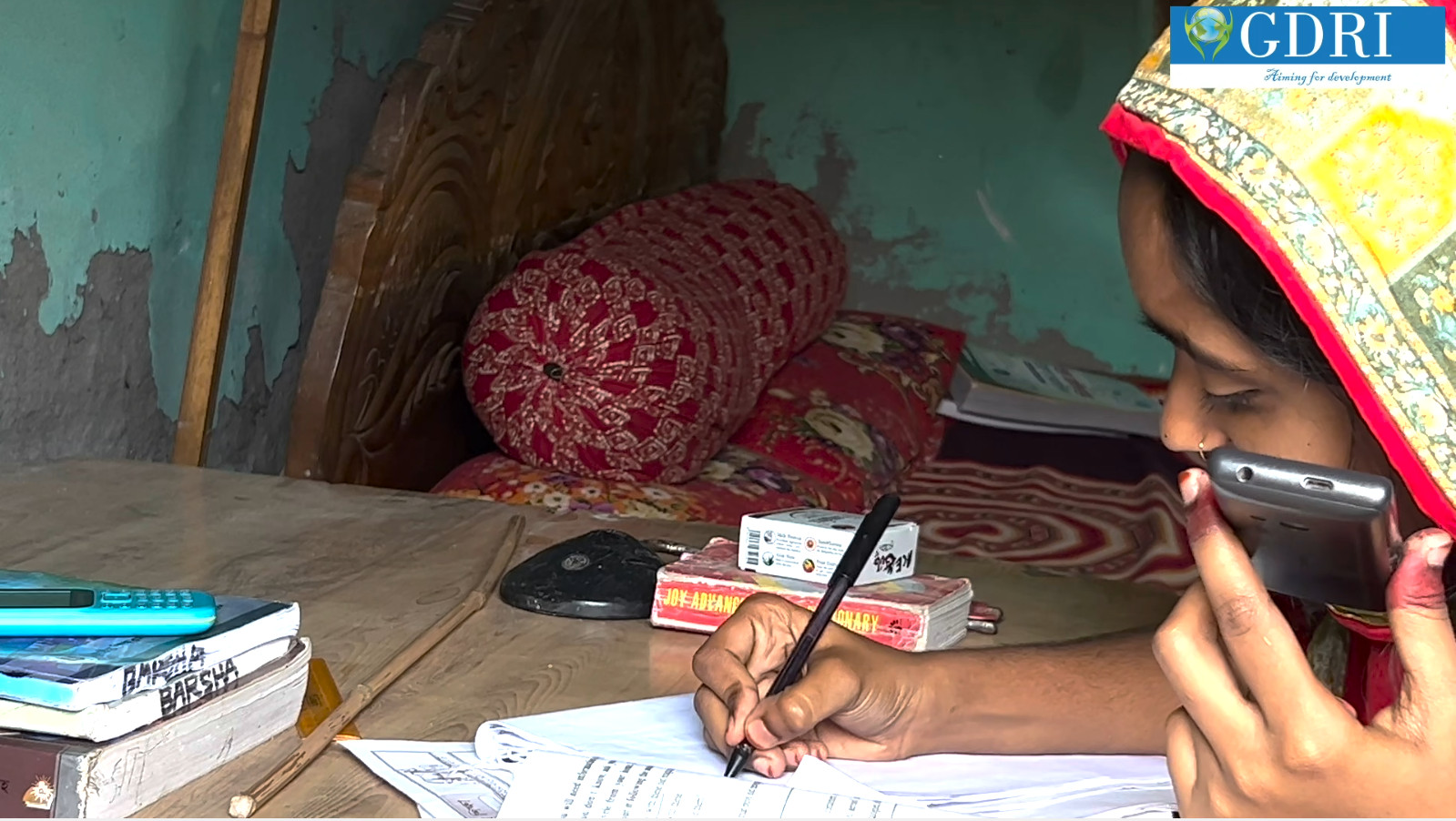
Addressing Learning Loss Using Low Tech Remote Learning among Underprivileged High School Students: The Bangladesh Case
Ongoing Projects
Mar 2023
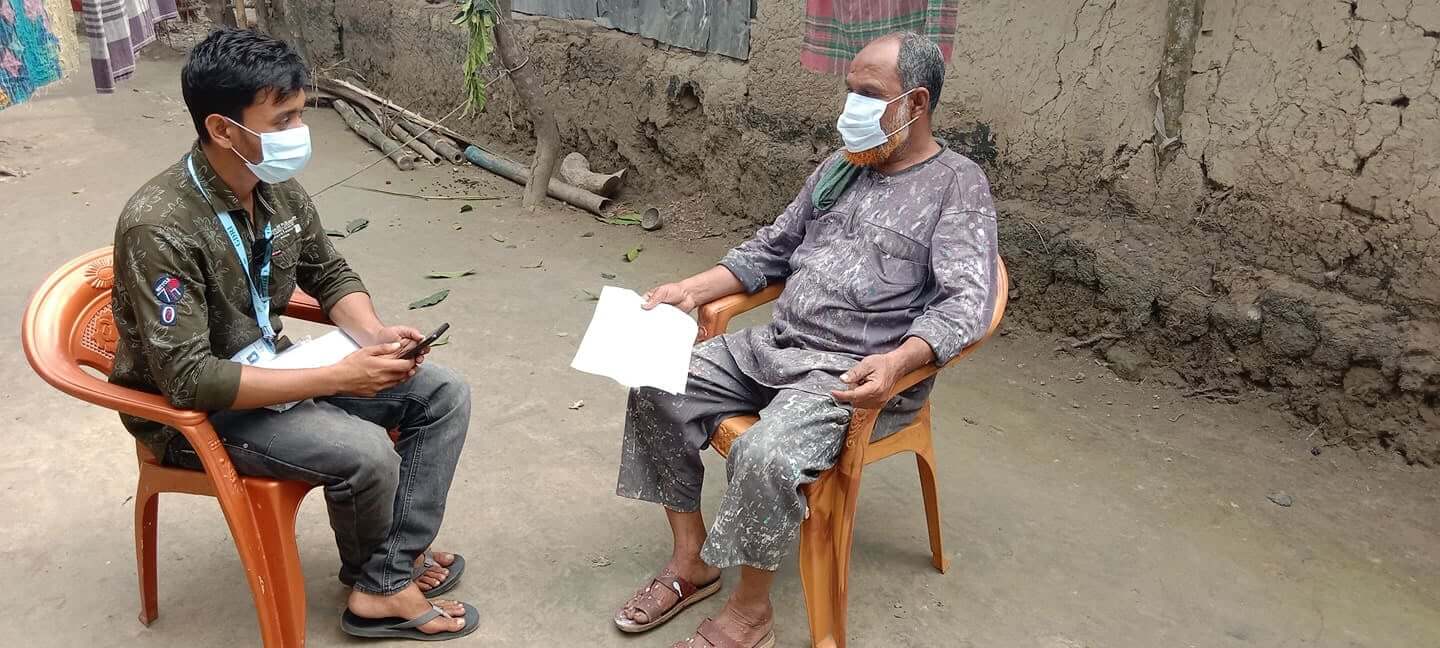
Income Loss and Wellbeing during COVID-19 Lockdown in Rural Bangladesh: Evidence from Large Household Surveys
Completed Projects
Apr 2023
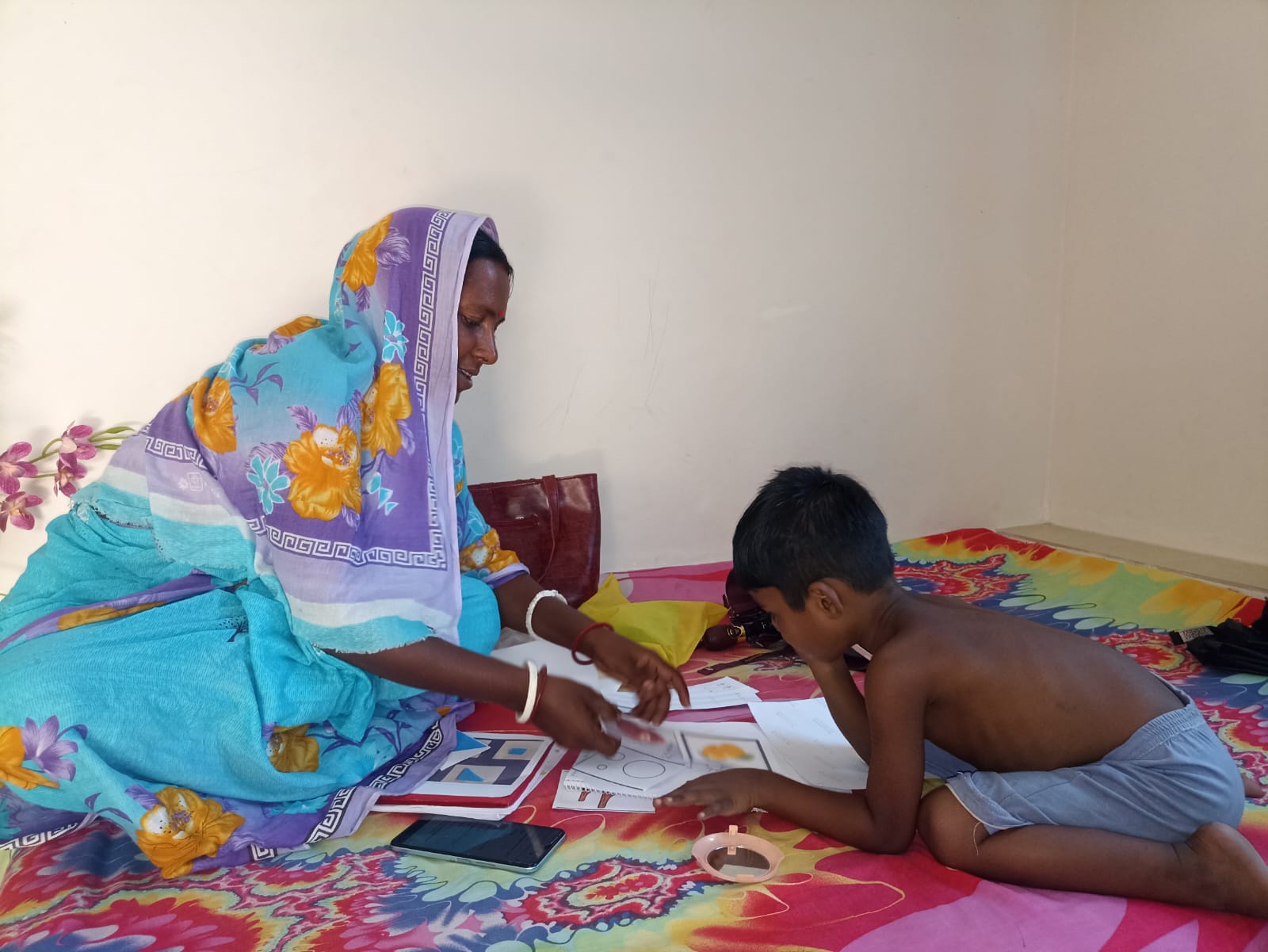
Telementoring and Homeschooling during school closures: A randomized Experiment in Rural Bangladesh
Completed Projects
Mar 2021