Tele-Mentoring via Calls/SMS for Rural Parental Learning Support
Feb 2020
Project Background
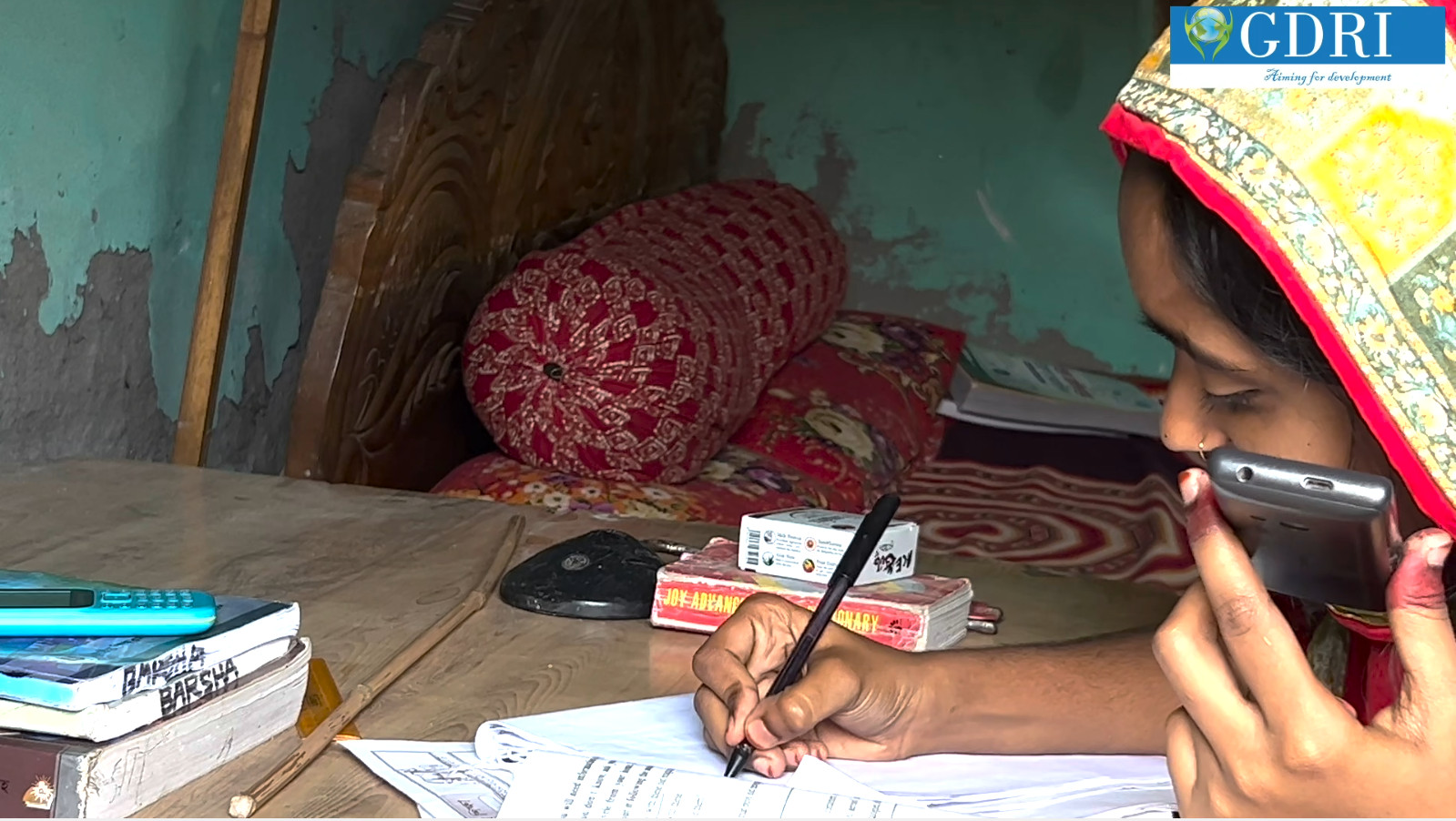
Since March 2020 COVID closures, rural Bangladeshi children depend on parents for learning, but online teaching fails due to poor IT; TV reaches 43.9% households, radio 0.6%, while 94.2% have basic mobiles.
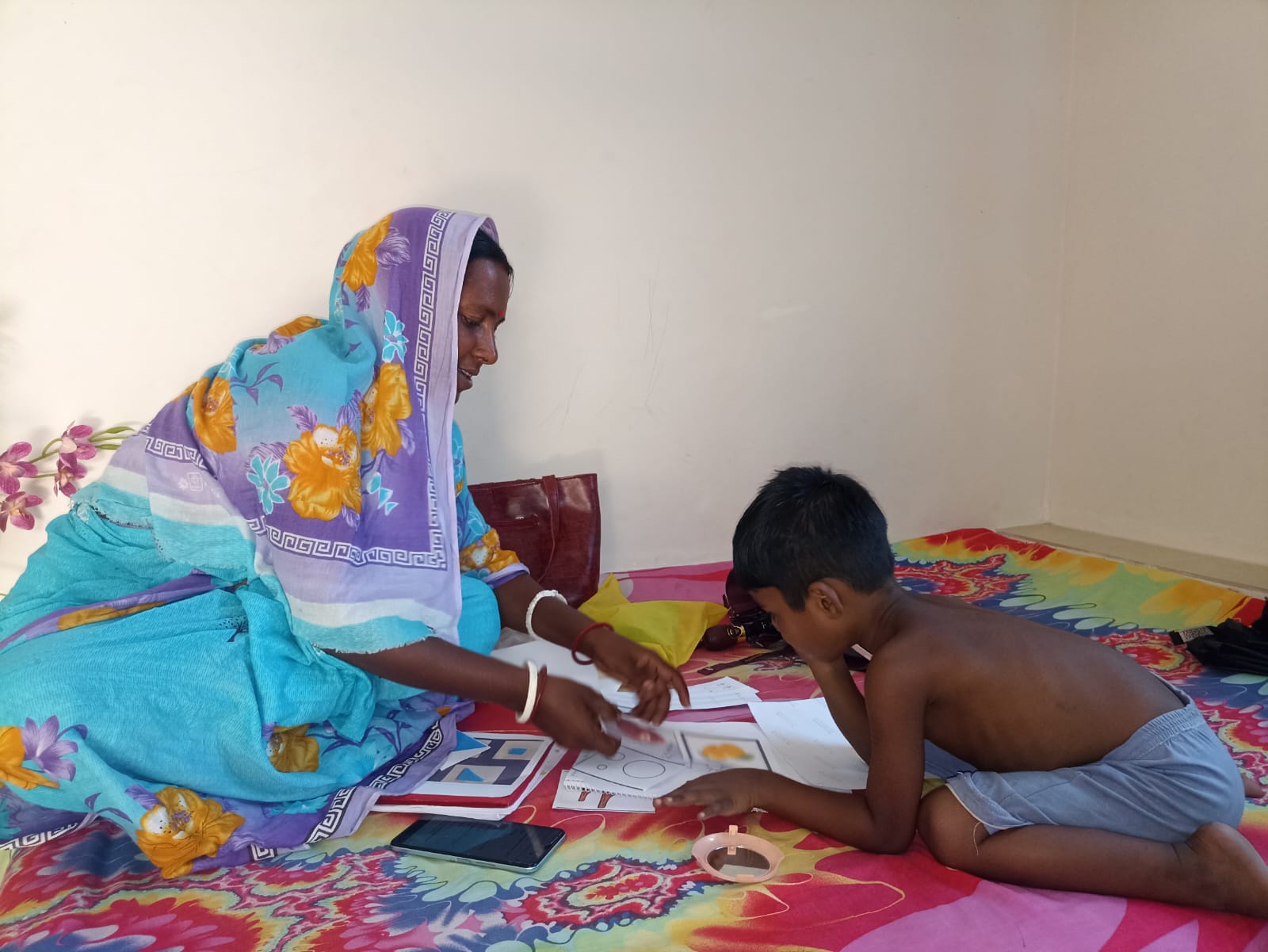
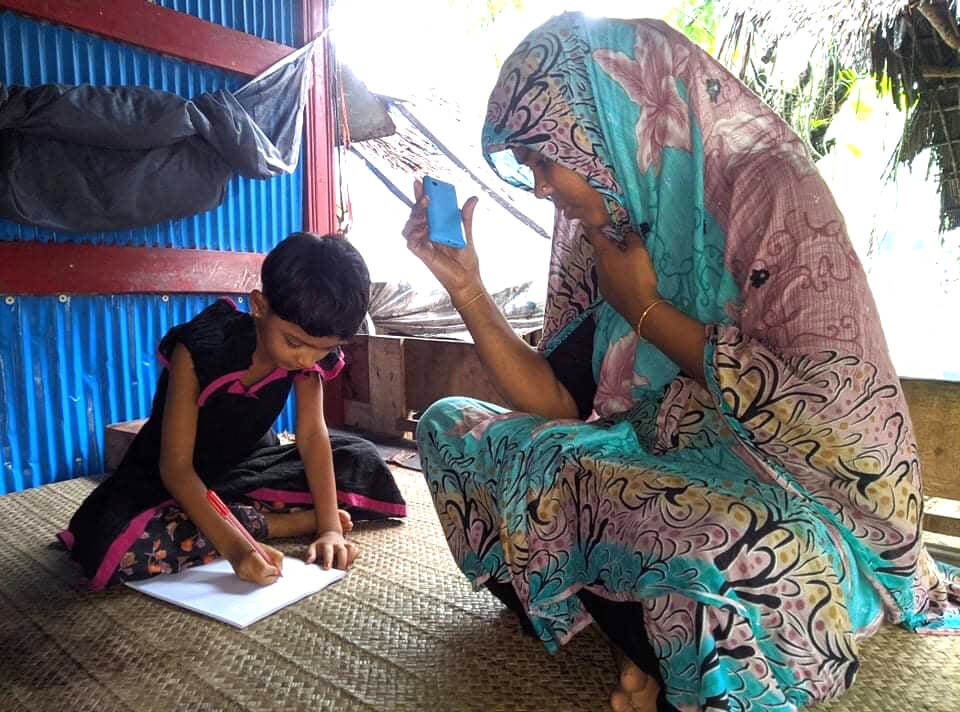
Parental involvement boosts outcomes but lacks guidance and varies by household, widening inequality. Drawing on nudge evidence, this project delivers structured tele-mentoring (SMS/calls) to primary pupils/parents on feature phones, reducing gaps and building home education.
Project Scope & Reach
Five southwestern upazilas with school disruptions/low digital access; rural primary children/families with basic mobiles but no online platforms; low TV/radio areas where mobiles enable regular contact.
Key research partners
Centre for Development Economics and Sustainability (CDES), Monash University; Khulna Univ.; Univ. of Newcastle; local IVR partner; GDRI as field research partner.
Funding & Support
Laerdal Foundation (proposed) for IVR/call-center/fieldwork/staff; in-kind from CDES/Monash for backing/admin/contingency.
Roles of GDRI
Field Implementation and Community Engagement: Identify/recruit primary children/parents in villages; coordinate with leaders, educators, IVR provider for enrolment/participation.
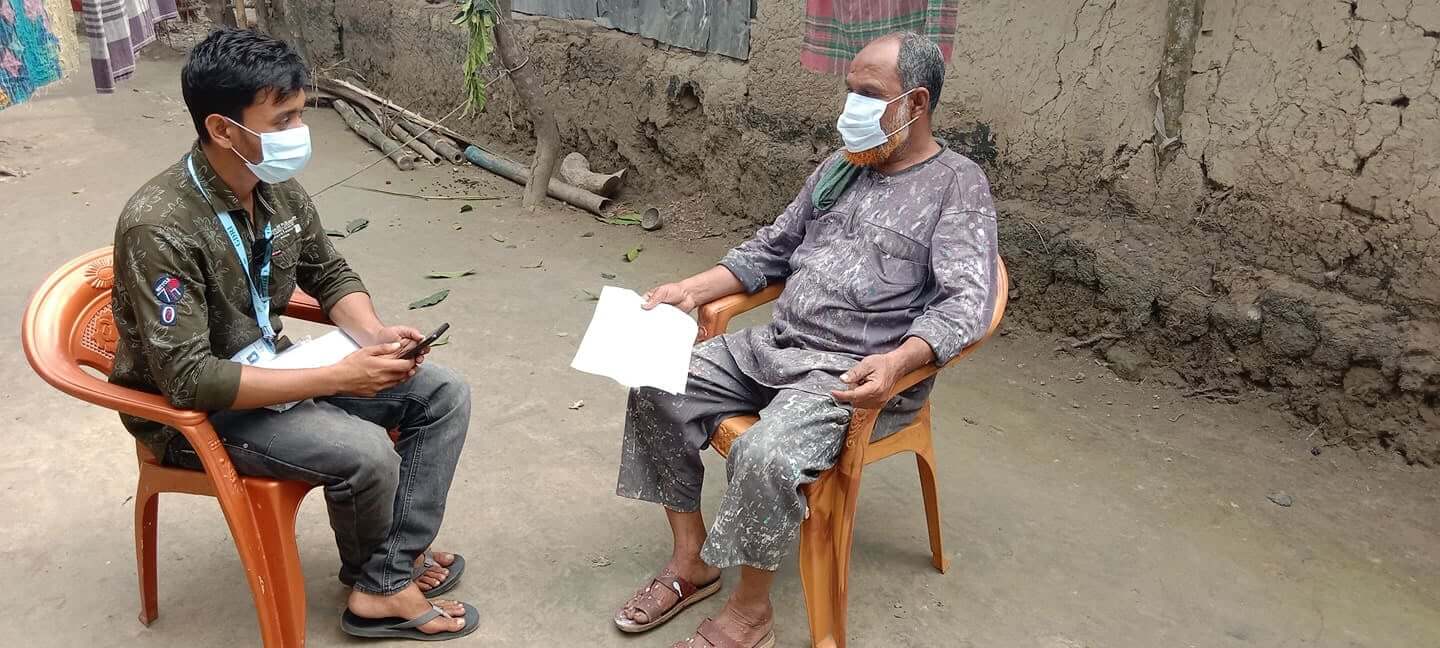
Data Collection and Monitoring: Conduct baseline/endline surveys/outcome measures (e.g., engagement, learning); monitor IVR/SMS/call usage.
Data Management and Dissemination: Clean/securely store data, share datasets; contribute to analysis, co-author reports/briefs/presentations on tele-mentoring for education.
Project Details
-
Project Type
Completed Projects
-
Start
Feb 2020
-
Focus Themes
Education