
Loading...
Loading...
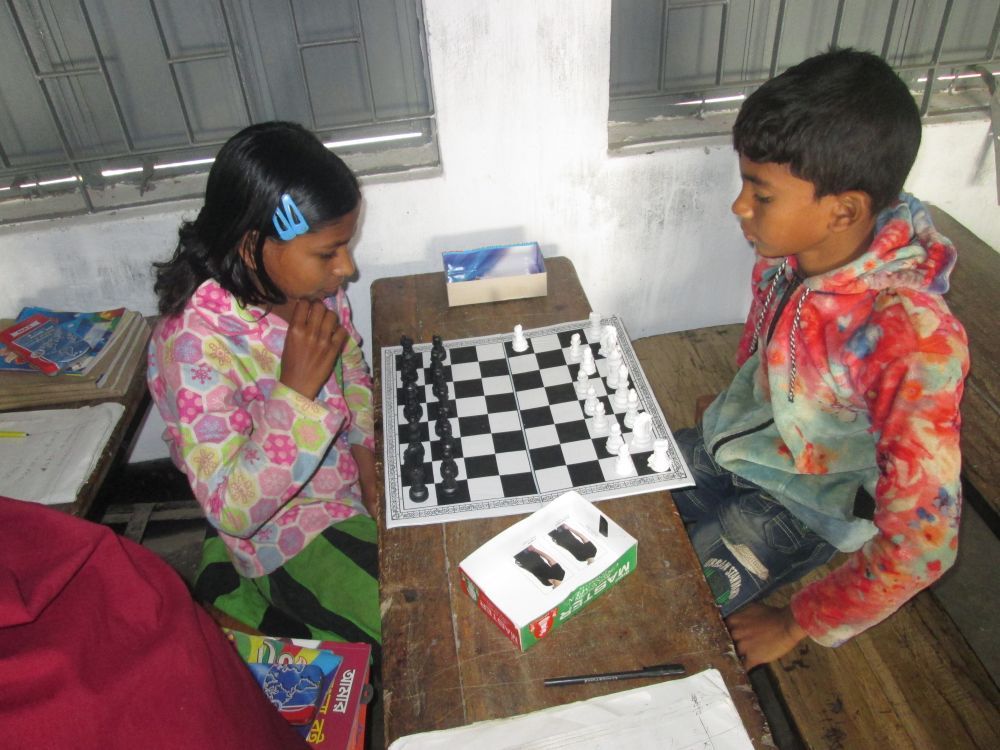
Apr 2015 — Ongoing
Project Background:
Chess is increasingly promoted in schools worldwide because it is believed to strengthen cognitive skills and support math learning, yet there is limited rigorous evidence, especially from developing countries. This project tests whether an intensive school‑based chess program for primary students in rural Bangladesh can improve academic outcomes and non‑cognitive skills such as risk preferences, patience, creativity, and attention. The intervention provided Grade 5 students—most of whom had never played chess—with a structured 3‑week course based on the World Chess Federation (FIDE) “Chess in Schools” curriculum, followed by continued opportunities to play.
Using a clustered randomized controlled trial, 16 government primary schools in Khulna and Satkhira districts were randomly assigned to treatment (chess program) or control. Outcomes were tracked immediately after the course and again 9–10 months later, linking the intervention to national Primary School Certificate (PSC) exam results and experimental measures of children’s risk and time preferences, creativity and attention. The study finds that chess training significantly reduces risk aversion almost a year after the program and shows suggestive positive effects on math scores and some aspects of time consistency, but limited impacts on other academic and non‑cognitive outcomes.
Project Areas:
16 rural government primary schools (8 treatment, 8 control) in Khulna and Satkhira districts, southwest Bangladesh
569 Grade‑5 students with baseline data; follow‑up samples vary by outcome due to normal school absenteeism
Under‑privileged households where most parents have low education and work in agriculture, day labor or small business, and children have minimal prior exposure to chess or similar cognitively demanding games
Project Authority:
Lead Academic Institutions: Monash University (Australia); Deakin University (Australia)
Local Research Partner: Global Development and Research Initiative (GDRI), Bangladesh
Government Partner: Department of Primary Education (DPE), Government of Bangladesh, for school access and exam data coordination
Donors:
Research funding from Monash University and Deakin University supported intervention delivery, surveys, and analysis.
Roles of GDRI:
Program Adaptation and Design Support:
Helped contextualize the FIDE “Chess in Schools” syllabus for rural Bangladeshi classrooms and coordinated with the National Chess Federation and local coaches.
Advised on school selection, randomization procedures, and alignment with DPE policies and school schedules to minimize disruption to regular teaching.
Field Implementation and School Engagement:
Facilitated permissions and engagement with head teachers, local education officials, and community stakeholders in Khulna and Satkhira.
Coordinated scheduling of 12 days of chess lessons (about 24 hours of instruction plus 6 hours of supervised practice) in treatment schools and ensured availability of space and logistics.
Supported chess instructors (including a FIDE master and national‑level coach) and local field staff during classroom sessions and practice games.
Data Collection and Management:
Organized baseline household and student surveys (demographics, parental education, household assets, prior chess exposure) before the intervention.
Managed implementation of child assessments: math tests, risk and time preference tasks, creativity tasks, and attention/focus tests at endline and follow‑up.
Assisted in matching students’ records to official PSC exam results and maintained secure databases for analysis.
Research and Dissemination Support:
Contributed to data cleaning, construction of outcome indices, and preparation of analysis files used in the published Journal of Development Economics article.
Helped communicate results to Bangladeshi education stakeholders, highlighting chess as a low‑cost, scalable classroom intervention with promising effects on children’s risk attitudes and math performance.
Project Type
Completed Projects
Duration
Apr 2015 — Ongoing
Focus Themes
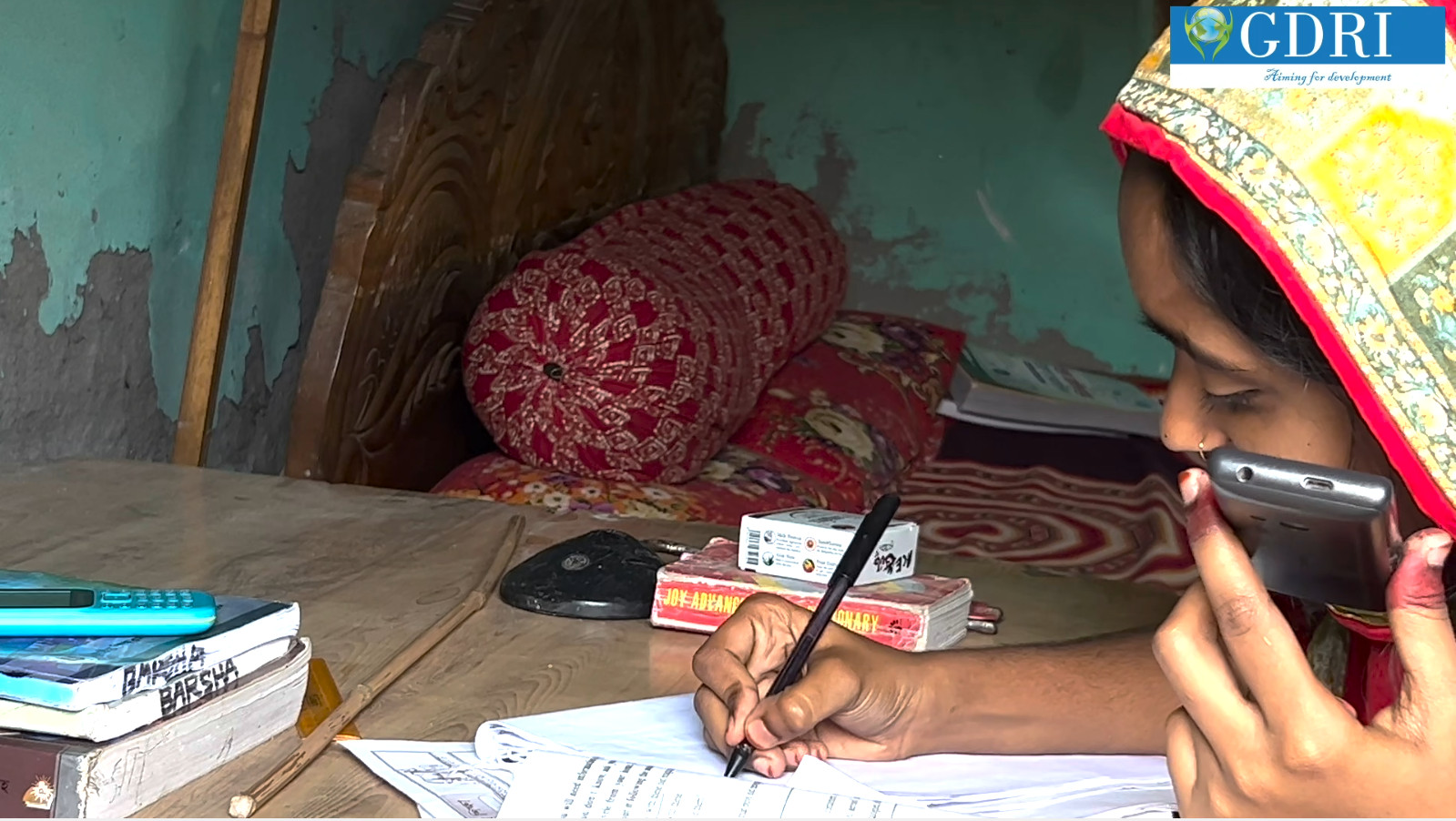
Addressing Learning Loss Using Low Tech Remote Learning among Underprivileged High School Students: The Bangladesh Case
Ongoing Projects
Mar 2023
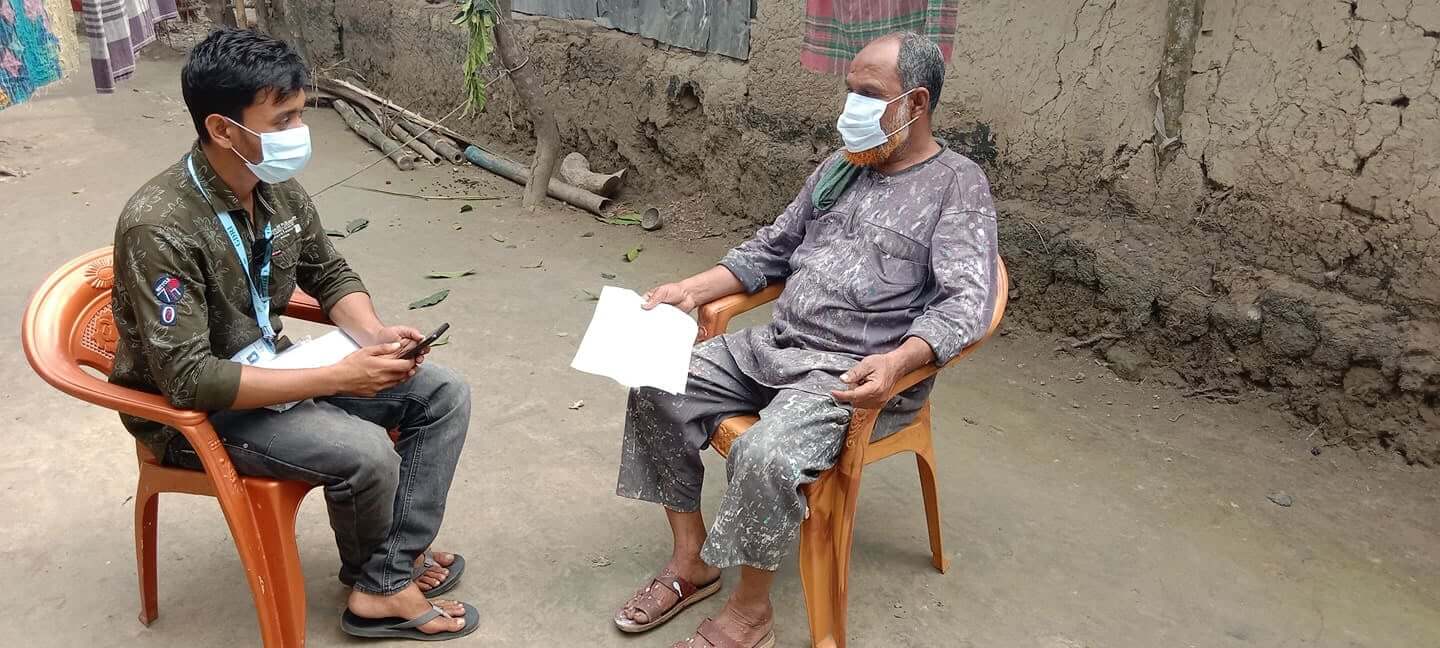
Income Loss and Wellbeing during COVID-19 Lockdown in Rural Bangladesh: Evidence from Large Household Surveys
Completed Projects
Apr 2023
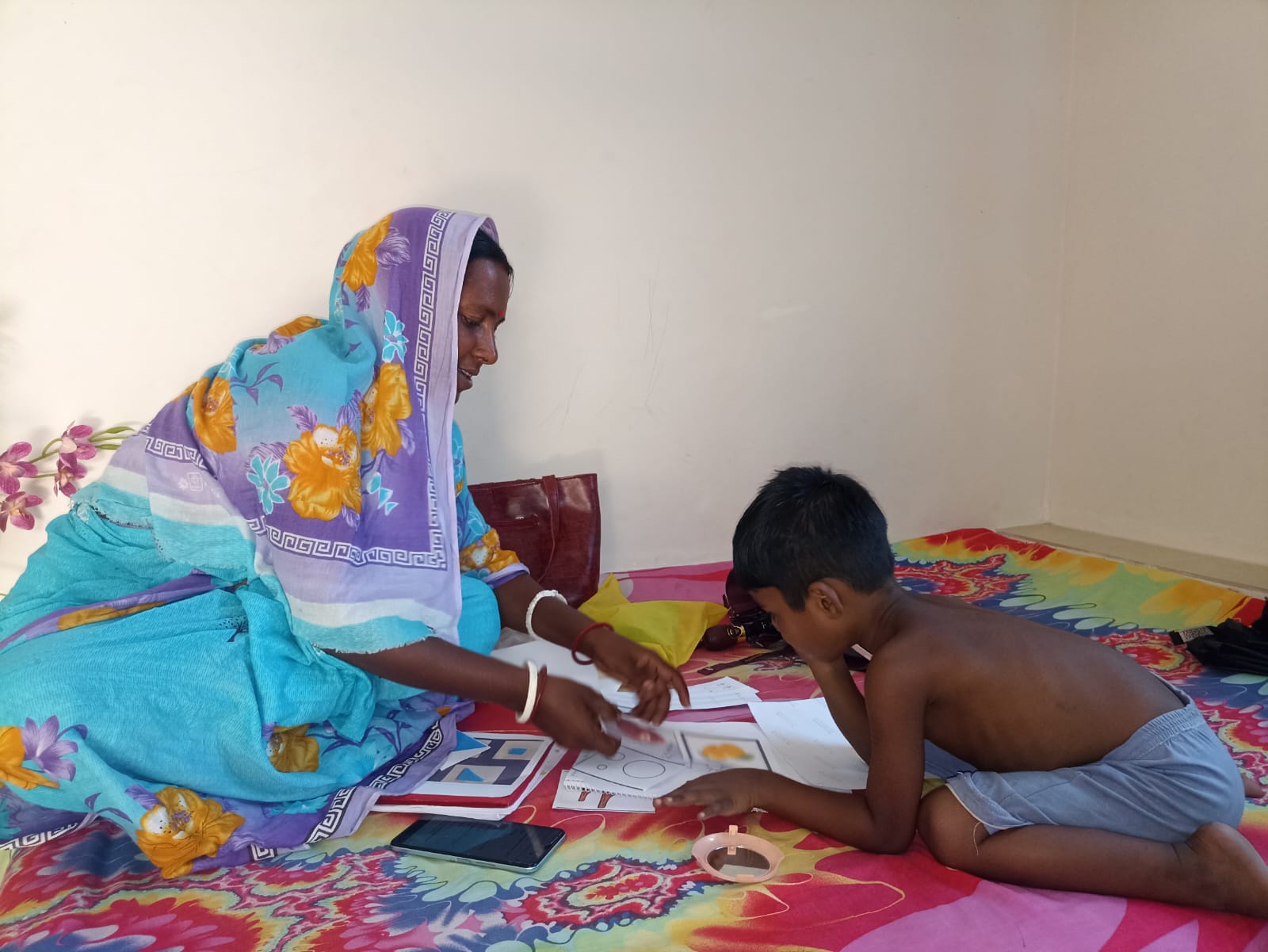
Telementoring and Homeschooling during school closures: A randomized Experiment in Rural Bangladesh
Completed Projects
Mar 2021