
Loading...
Loading...
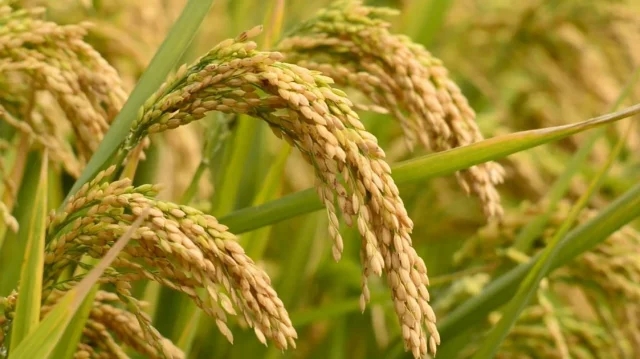
Mar 2020 — Ongoing
Project Background:
Crop production is the main source of income for farming households in Bangladesh, but homestead vegetables, fruits, agroforestry, and off-farm activities also contribute substantially to income, nutrition, and daily livelihoods. In coastal ecosystems, all these components share land, water, labour, and other common resources, and byproducts from one component can be used by others, creating strong synergies when managed as an integrated farming system.
However, many coastal farmers still rely on traditional varieties and fragmented practices, and face constraints in knowledge, access to HYV seeds and inputs, effective crop management, and market linkages. These constraints limit productivity, resilience, and the potential benefits from homestead production and agroforestry. This project promotes integrated farming systems that fit new HYV crop varieties and improved component technologies into existing coastal farming systems, with a view to increasing total system productivity and improving farmers’ livelihoods. By combining technical innovation with farmer training, local service provision, and farmer-to-farmer exchange, the project aims to enhance income, nutrition, and women’s participation in farm and off-farm activities in coastal Bangladesh.
Project areas
Coastal regions of Bangladesh, including districts such as Patuakhali and Satkhira, and other coastal and semi-lowland ecosystems.
Small and medium farm households whose livelihoods depend on field crops, homestead gardens, trees, livestock, and off-farm work.
Farming systems where HYV crops, vegetables, fruits, trees, and gender‑responsive technologies can be integrated to raise productivity and diversify risk.
Project Authority:
Lead academic/technical institution: A national agricultural research institute and/or farming systems research unit within the NARS, working in close collaboration with the Department of Agricultural Extension (DAE).
Key implementing and knowledge partners:
Global Development Research Institute (GDRI) – local research and implementation partner in coastal areas.
DAE field offices and extension staff – facilitating farmer outreach, demonstrations, and technical backstopping.
Relevant NARS commodity programs (crops, horticulture, agroforestry) – providing HYV seeds, saplings, and technical packages.
Donors:
The project is supported by public sector and development partner funding dedicated to farming systems research, climate-resilient agriculture, and livelihood improvement in coastal Bangladesh. These resources finance the design and testing of integrated component technologies, farmer training, LSP development, and adoption and impact assessments required for future scale-up.
Roles of GDRI:
Capacity Development and Intervention Design:
Support adaptation of HYV, homestead, agroforestry, nutrition-sensitive, and gender‑responsive technologies to coastal conditions.
Contribute to the design of farmer-friendly training materials, extension tools, and gender‑ and nutrition-sensitive modules.
Field Implementation and Community Engagement:
Coordinate with DAE, NARS institutes, local NGOs, and farmer groups to implement component technologies and integrated models.
Lead farmer and village selection, baseline and follow-up surveys, and ongoing monitoring of technology adoption.
Facilitate farmer-to-farmer learning, seed and seedling exchange, and active participation of women and youth.
Data Management, Cleaning, and Analysis:
Manage data collection on production, income, nutrition, gender roles, and livelihood indicators, ensuring quality and reliability.
Analyze impacts of integrated farming systems on productivity, income, nutrition, and socio-economic status.
Prepare reports, policy briefs, and knowledge products, and organize dissemination events with government, development partners, and practitioners to support scaling of successful models.
Project Type
Completed Projects
Duration
Mar 2020 — Ongoing
Focus Themes
Income Loss and Wellbeing during COVID-19 Lockdown in Rural Bangladesh: Evidence from Large Household Surveys
Completed Projects
Apr 2023
Telementoring and Homeschooling during school closures: A randomized Experiment in Rural Bangladesh
Completed Projects
Mar 2021

Myopic Loss Aversion and Investment Decisions: From the Laboratory to the Field
Completed Projects
Feb 2014